Gabriel Batistuta vs Jorge Campos: Stats Compared
Striker, Argentina (born 1969, retired 2005) · Goalkeeper, Mexico (born 1966, retired 2004)
Line up Gabriel Batistuta next to Jorge Campos and the contrasts come quickly. They belonged to different eras, which makes any direct comparison a test of imagination as much as statistics. By the end Gabriel Batistuta had 356 goals from 633 caps and club outings; Jorge Campos had 40 from 686. Because assists were not systematically tracked for much of their time, that side of the comparison rests on the footage that survives. Trophy counts give Gabriel Batistuta 9 and Jorge Campos 8, with 1× Copa América (1991) and 1× Mexican Primera División the standout honours respectively. Across the 1990s and the 1990s respectively, their explosive and brave styles captured the spirit of very different footballing times. Context beyond the headline totals is important: Gabriel Batistuta's landmark level arrived around 1998 with a career spanning River Plate, Fiorentina, Roma; Jorge Campos's came around 1991 across Pumas UNAM, Atlante, Cruz Azul. Arguments will run and run, which is exactly why the matchup endures.
162 words · comparison angle: era
Player profiles
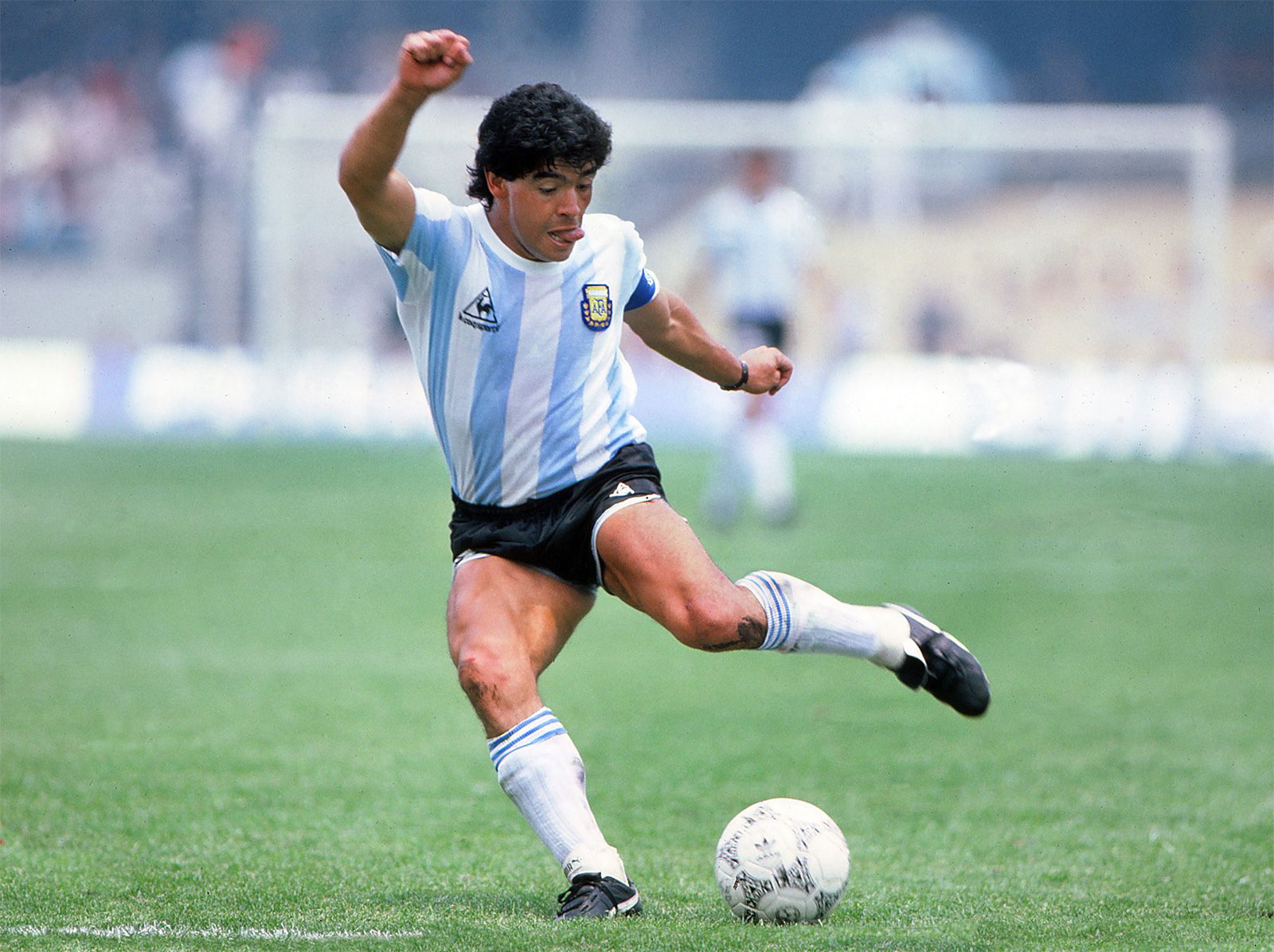
Gabriel Omar Batistuta is an Argentine former professional footballer. During his playing career, Batistuta was nicknamed Batigol as well as El Ángel Gabriel (; Spanish for Angel Gabriel). Regarded as one of the best strikers of all time, he was named by Pelé in the FIFA 100 list of the world's greatest living players in 2004.
“A devastating centre-forward whose power, heading and shooting defined the classic number nine.”
Jorge Campos Navarrete (born 15 October 1966) is a Mexican professional football coach and player who plays as a goalkeeper for Tercera Federación – Group 7 club México FC. A notable player of Mexico in the 1990s and early 2000s, Campos was an eccentric player, known for his constant play outside the penalty area – often functioning as a sweeper-keeper, as well as his acrobatic, risky, and flamboyant style of goalkeeping, and his colourful playing attire. His main strengths as a goalkeeper were his leaping ability, athleticism, and speed when rushing off his line, as well as his ability to organize his defense, which enabled him to overcome his short stature.
“A fearless, undersized goalkeeper who compensated with spring, bravery and unusual footwork.”
Head-to-head stats
Career goals by season
Representative career seasons — goals per season for each player across their documented clubs.
Attribute radar
Attribute ratings are peak-era, 0–100. Different positions naturally skew the profile.
Attribute comparison
Trophy breakdown
- 1× Copa América (1991)
- 1× Mexican Primera División
Trophy distribution
Career milestones
- 1990 Established himself at River Plate
- 1994 Reached his defining peak
- 1998 Delivered a landmark season
- 2005 Retired from professional football
- 1983 Established himself at Pumas UNAM
- 1987 Reached his defining peak
- 1991 Delivered a landmark season
- 2004 Retired from professional football
The verdict
The numbers give Gabriel Batistuta the lead — a clear margin, courtesy of a sharper goalscoring record.
Gabriel Batistuta edges it (a clear margin)