Gabriel Batistuta vs David Trezeguet: Stats Compared
Striker, Argentina (born 1969, retired 2005) · Striker, France (born 1977, retired 2013)
Few debates split football fans quite like Gabriel Batistuta versus David Trezeguet. Era matters in any comparison, and these two peaked under very different footballing conditions. Career output puts Gabriel Batistuta at 356 goals in 633 games, with David Trezeguet at 260 in 620. Assists were not reliably tracked for much of their careers, which makes the playmaking comparison an imperfect one; where records exist, Gabriel Batistuta is credited with 0 and David Trezeguet with 60. In major honours Gabriel Batistuta collected 9 — headlined by 1× Copa América (1991) — whereas David Trezeguet amassed 5, led by 1× FIFA World Cup (1998). Across the 1990s and the turn of the millennium respectively, their flair-driven and flair-driven styles captured the spirit of very different footballing times. Their routes to the top were distinct: Gabriel Batistuta built his reputation across River Plate, Fiorentina, Roma, peaking around 1998, while David Trezeguet reached his defining level around 2000 after spells with Monaco, Juventus, Hércules CF, Baniyas, River Plate. Few pairings invite such entrenched disagreement, and fewer still deserve it this much.
178 words · comparison angle: era
Player profiles
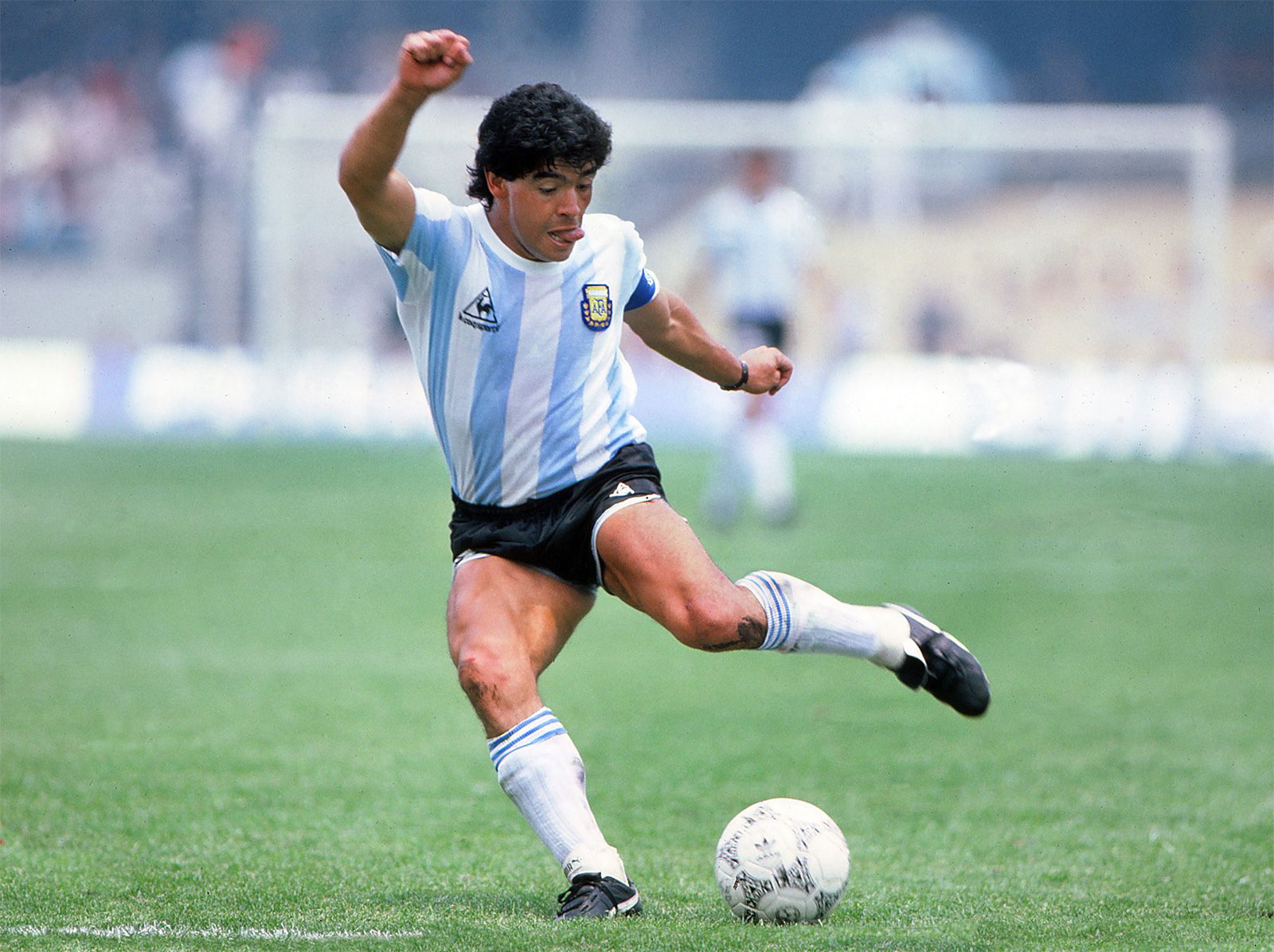
Gabriel Omar Batistuta is an Argentine former professional footballer. During his playing career, Batistuta was nicknamed Batigol as well as El Ángel Gabriel (; Spanish for Angel Gabriel). Regarded as one of the best strikers of all time, he was named by Pelé in the FIFA 100 list of the world's greatest living players in 2004.
“A devastating centre-forward whose power, heading and shooting defined the classic number nine.”
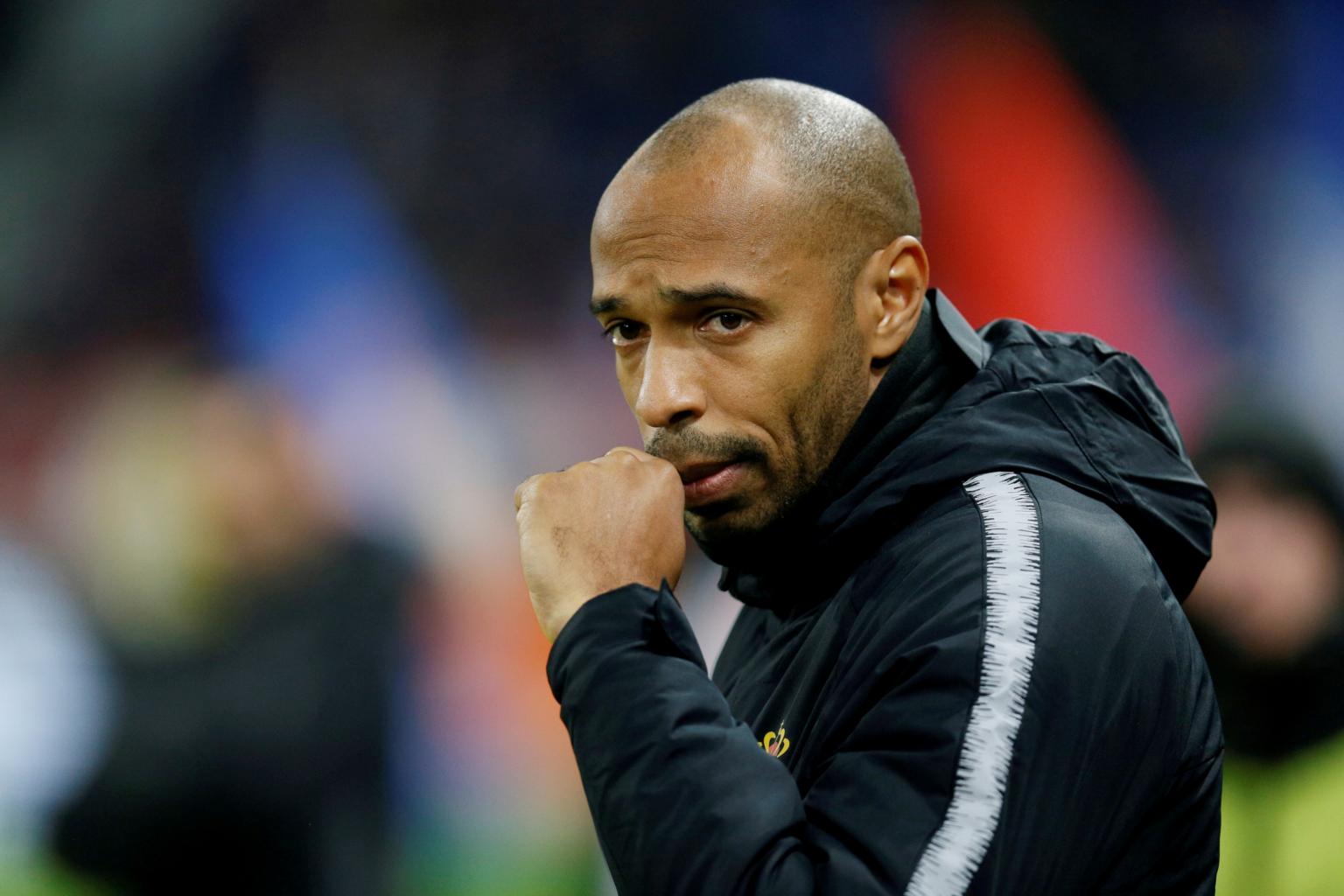
The scorer of the golden-goal winner in the Euro 2000 final, Trezeguet was Juventus's record signing and one of the deadliest strikers of his generation.
“A powerful, clinical striker with an excellent aerial game and a ferocious shot from inside the box.”
Head-to-head stats
Career goals by season
Representative career seasons — goals per season for each player across their documented clubs.
Attribute radar
Attribute ratings are peak-era, 0–100. Different positions naturally skew the profile.
Attribute comparison
Trophy breakdown
- 1× Copa América (1991)
- 1× FIFA World Cup (1998)
- 1× UEFA European Championship (2000)
- 1× Ligue 1 (2000)
- 2× Serie A (2002, 2003)
Trophy distribution
Career milestones
- 1990 Established himself at River Plate
- 1994 Reached his defining peak
- 1998 Delivered a landmark season
- 2005 Retired from professional football
- 1995 Professional debut for Monaco
- 1998 Won FIFA World Cup with Monaco
- 2002 Won Serie A with Juventus
- 2000 Reached the peak of his powers at Monaco
- 2013 Retired after a final spell at River Plate
- Finished his career with 260 goals in 620 appearances and 5 major honours. Finished his career with 260 goals in 620 appearances and 5 major honours.
The verdict
On balance Gabriel Batistuta edges the comparison. The margin is a decisive margin, decided mostly by a sharper goalscoring record.
Gabriel Batistuta edges it (a decisive margin)