
Franz Beckenbauer vs Jorge Campos: Stats Compared
Sweeper / Centre-Back, Germany (born 1945, retired 1983) · Goalkeeper, Mexico (born 1966, retired 2004)
The Franz Beckenbauer–Jorge Campos comparison is one of those fixtures of footballing folklore. They occupied different roles, which makes a like-for-like verdict a careful exercise. By the end Franz Beckenbauer had 81 goals from 776 caps and club outings; Jorge Campos had 40 from 686. Assists were never formally recorded across most of their eras, so the playmaking dimension has to be judged on reputation and highlights rather than hard totals. In major honours Franz Beckenbauer collected 16 — headlined by 1× FIFA World Cup (1974) — whereas Jorge Campos amassed 8, led by 1× Mexican Primera División. As a sweeper / centre-back Franz Beckenbauer bent the role to a commanding template; as a goalkeeper, Jorge Campos redefined it with sweeper-keen authority. Context beyond the headline totals is important: Franz Beckenbauer's landmark level arrived around 1974 with a career spanning Bayern Munich, Hamburg, New York Cosmos; Jorge Campos's came around 1991 across Pumas UNAM, Atlante, Cruz Azul. Few pairings invite such entrenched disagreement, and fewer still deserve it this much.
170 words · comparison angle: role
Player profiles
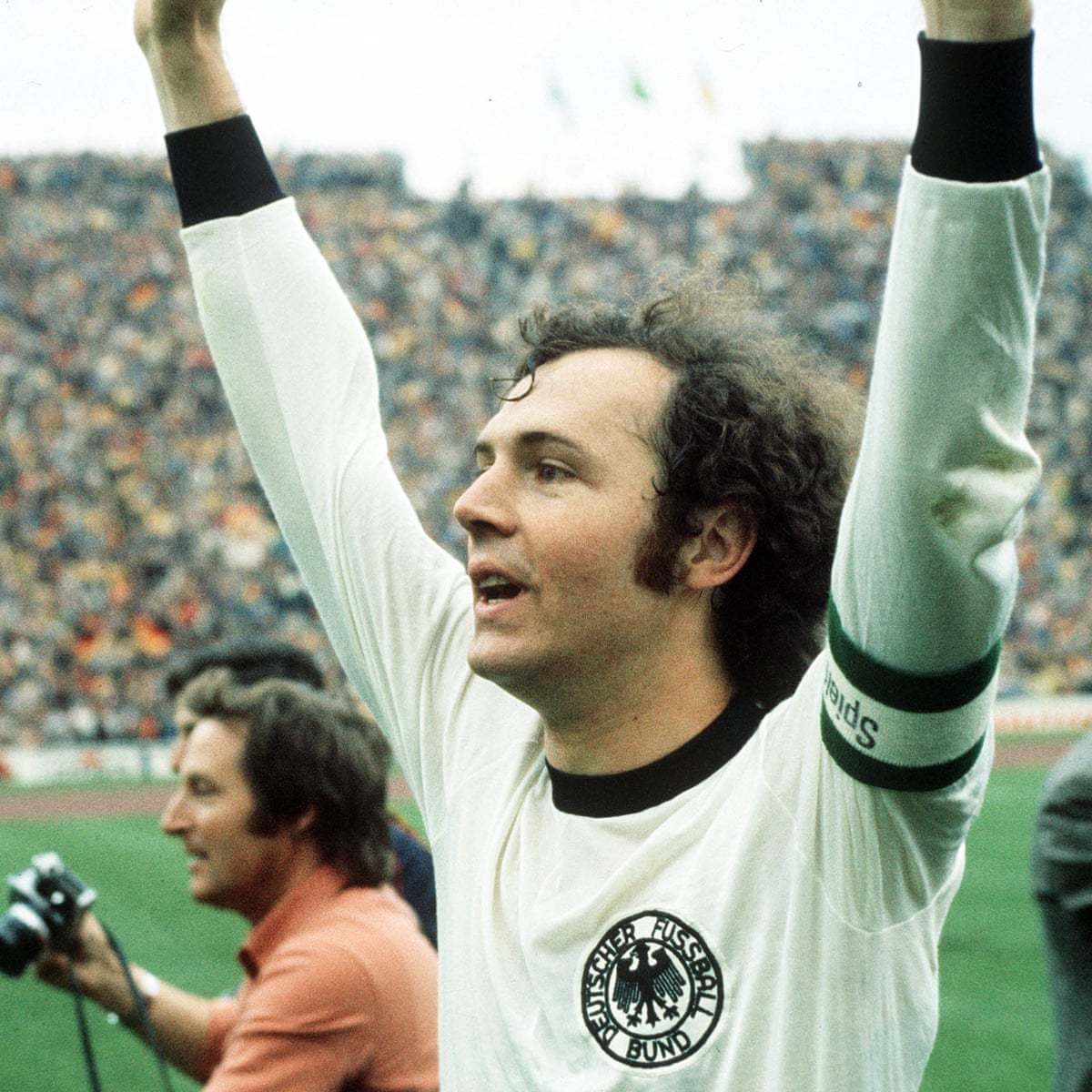
German defender who revolutionised the sweeper role; the only man to win the World Cup as both captain (1974) and manager (1990).
“A graceful attacking sweeper who reinvented the libero role with composure and peerless reading of the game.”
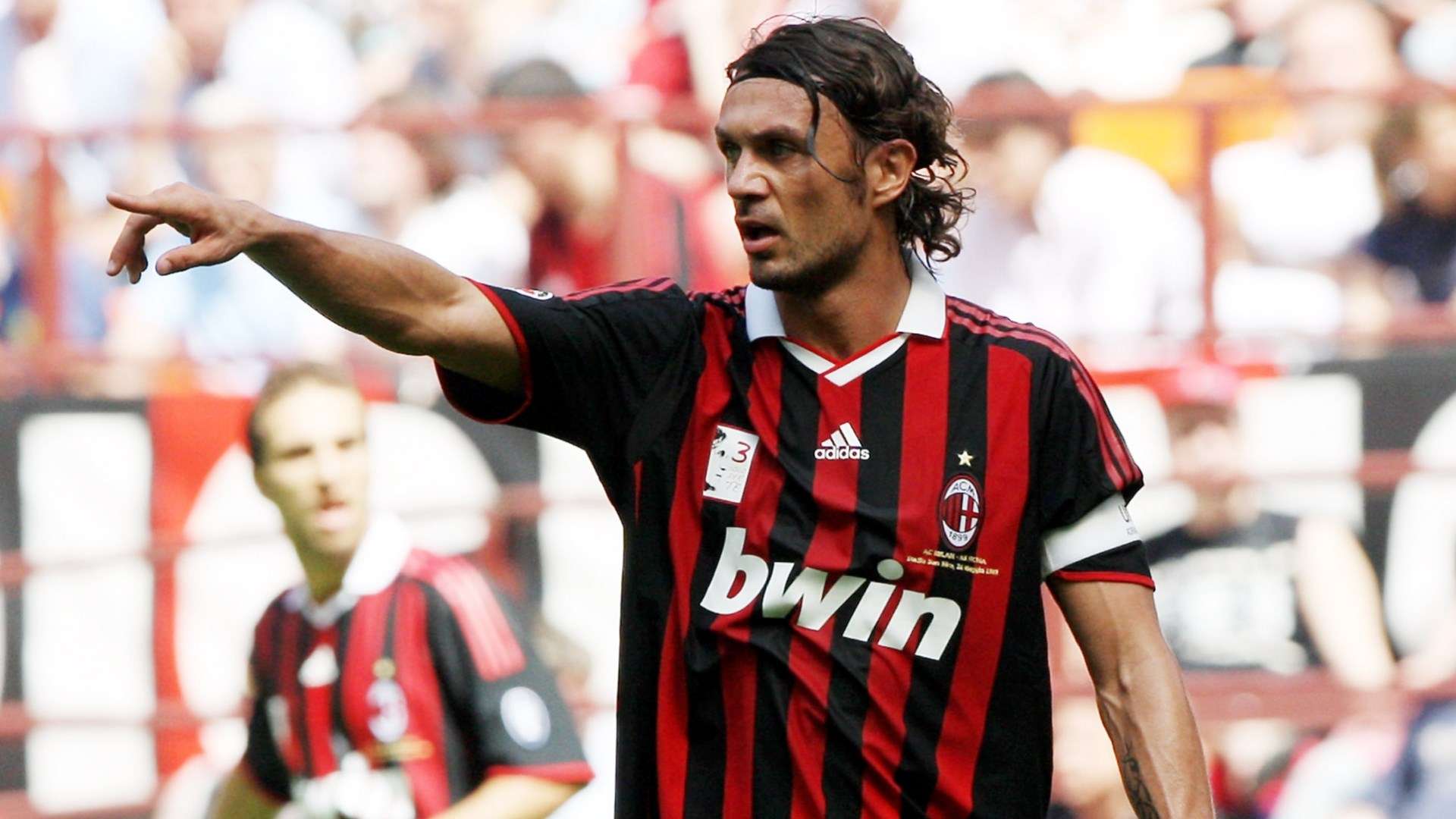
Jorge Campos Navarrete (born 15 October 1966) is a Mexican professional football coach and player who plays as a goalkeeper for Tercera Federación – Group 7 club México FC. A notable player of Mexico in the 1990s and early 2000s, Campos was an eccentric player, known for his constant play outside the penalty area – often functioning as a sweeper-keeper, as well as his acrobatic, risky, and flamboyant style of goalkeeping, and his colourful playing attire. His main strengths as a goalkeeper were his leaping ability, athleticism, and speed when rushing off his line, as well as his ability to organize his defense, which enabled him to overcome his short stature.
“A fearless, undersized goalkeeper who compensated with spring, bravery and unusual footwork.”
Head-to-head stats
Career goals by season
Representative career seasons — goals per season for each player across their documented clubs.
Attribute radar
Attribute ratings are peak-era, 0–100. Different positions naturally skew the profile.
Attribute comparison
Trophy breakdown
- 1× FIFA World Cup (1974)
- 1× UEFA European Championship (1972)
- 3× European Cup (1974, 1975, 1976)
- 5× Bundesliga (1969, 1972, 1973, 1974, 1982)
- 4× DFB-Pokal
- 1× UEFA Cup Winners' Cup (1967)
- 1× Intercontinental Cup (1976)
- 1× Mexican Primera División
Trophy distribution
Career milestones
- 1964 Bayern Munich senior debut
- 1966 Won the DFB-Pokal, his first major trophy
- 1972 Euro winner with West Germany
- 1974 World Cup winner as captain in Munich
- 1976 Third consecutive European Cup with Bayern
- 1977 Joined New York Cosmos
- 1983 Came out of retirement to play for Hamburg
- 1983 Established himself at Pumas UNAM
- 1987 Reached his defining peak
- 1991 Delivered a landmark season
- 2004 Retired from professional football
The verdict
The numbers give Franz Beckenbauer the lead — a decisive margin, courtesy of a sharper goalscoring record.
Franz Beckenbauer edges it (a decisive margin)