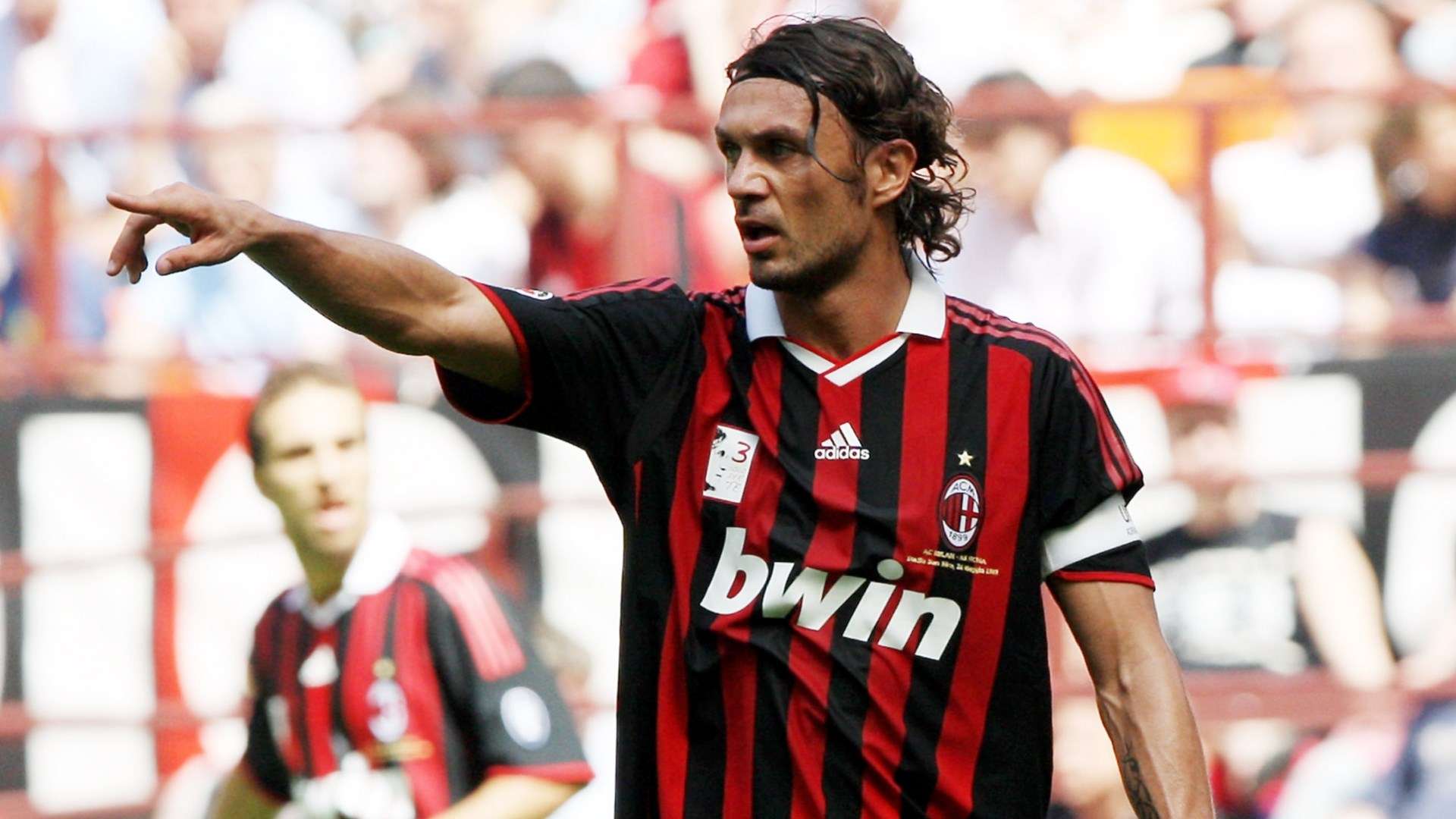
Frank de Boer vs Andriy Shevchenko: Stats Compared
Centre-Back, Netherlands (born 1970, retired 2004) · Striker, Ukraine (born 1976, retired 2012)
Ask any fan to rank Frank de Boer above or below Andriy Shevchenko and you will get a passionate answer. They occupied different roles, which makes a like-for-like verdict a careful exercise. Career output puts Frank de Boer at 41 goals in 609 games, with Andriy Shevchenko at 369 in 803. Reliable assist tallies simply do not exist for large stretches of their careers, leaving creativity to the eye rather than the spreadsheet. The honours ledger favours Frank de Boer with 8 major trophies (1× UEFA Champions League (1995)) against Andriy Shevchenko's 9 (1× UEFA Champions League (2003)). As a centre-back Frank de Boer bent the role to a uncompromising template; as a striker, Andriy Shevchenko redefined it with explosive authority. Their routes to the top were distinct: Frank de Boer built his reputation across Ajax, Barcelona, Galatasaray, Rangers, peaking around 1995, while Andriy Shevchenko reached his defining level around 2003 after spells with Dynamo Kyiv, AC Milan, Chelsea. Few pairings invite such entrenched disagreement, and fewer still deserve it this much.
172 words · comparison angle: role
Player profiles
Franciscus de Boer is a Dutch former professional footballer and current manager. A former defender, De Boer spent most of his playing career with Ajax, winning five Eredivisie titles, two KNVB Cups, three Super Cups, one UEFA Super Cup, one UEFA Cup, one UEFA Champions League, and one Intercontinental Cup. He later spent five years at Barcelona, where he won the 1998–99 La Liga title, followed by short spells at Galatasaray, Rangers, Al-Rayyan and Al-Shamal before retiring.
“A cultured defender who combined calm distribution with intelligent positioning.”
Ukrainian striker and Dynamo Kyiv legend, Champions League winner with AC Milan in 2003; Ballon d'Or winner in 2004.
“A clinical, explosive striker with pace, finishing and an eye for European nights.”
Head-to-head stats
Career goals by season
Representative career seasons — goals per season for each player across their documented clubs.
Attribute radar
Attribute ratings are peak-era, 0–100. Different positions naturally skew the profile.
Attribute comparison
Trophy breakdown
- 1× UEFA Champions League (1995)
- 1× UEFA Champions League (2003)
- 1× Serie A (2004)
- 1× UEFA Super Cup (2003)
- 5× Ukrainian Premier League
- 1× Ukrainian Cup
Trophy distribution
Career milestones
- 1987 Established himself at Ajax
- 1991 Reached his defining peak
- 1995 Delivered a landmark season
- 2004 Retired from professional football
- 1994 Dynamo Kyiv debut
- 1997 Hat-trick in the Champions League against Barcelona
- 1999 Signed for AC Milan
- 2003 Champions League winner, scored in the final on penalties
- 2004 Ballon d'Or winner
- 2006 Joined Chelsea in an unsuccessful spell
- 2009 Returned to Dynamo Kyiv
The verdict
If forced to pick, Andriy Shevchenko is the choice: a clear margin, with a sharper goalscoring record the deciding factor.
Andriy Shevchenko edges it (a clear margin)