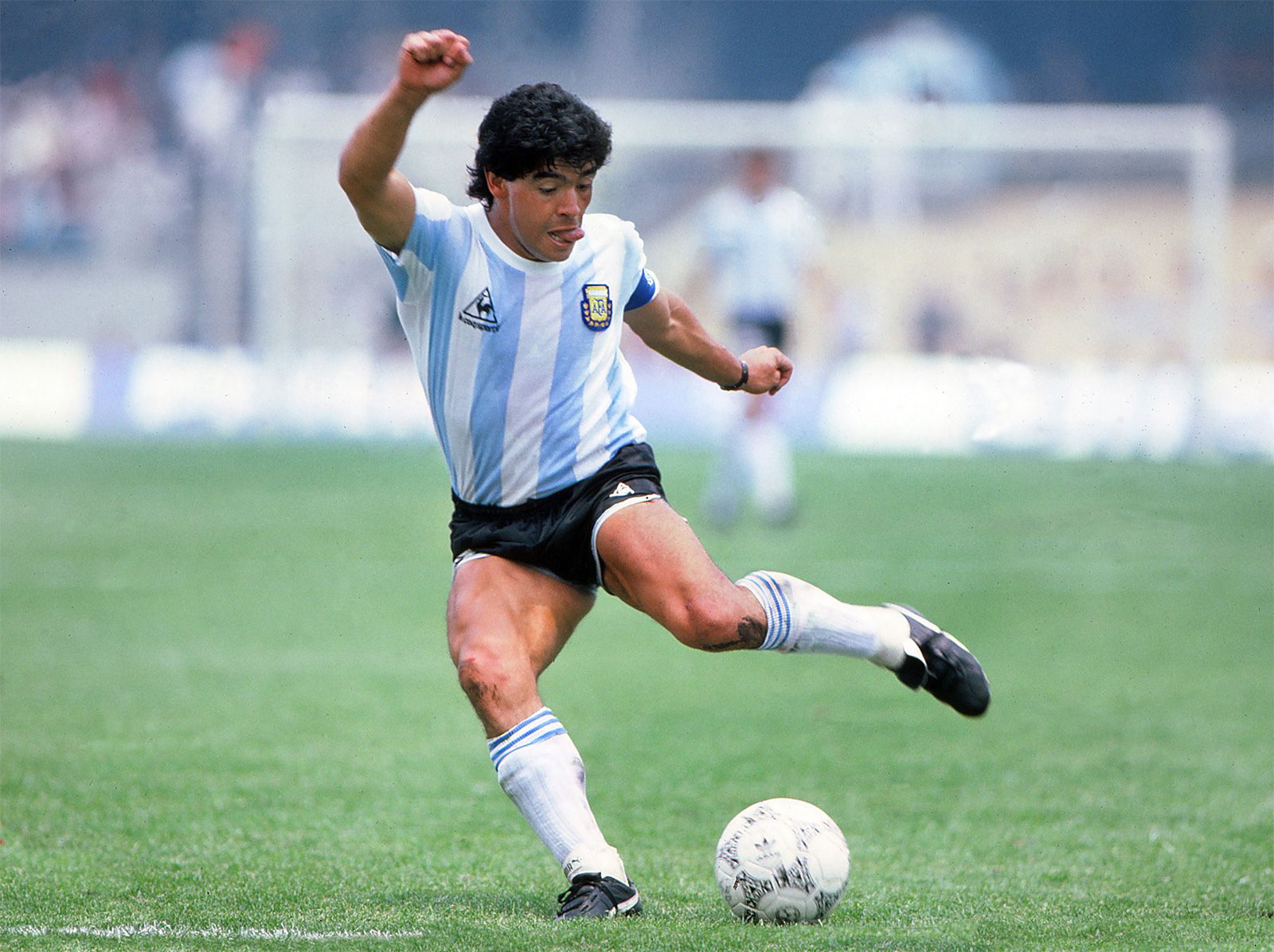
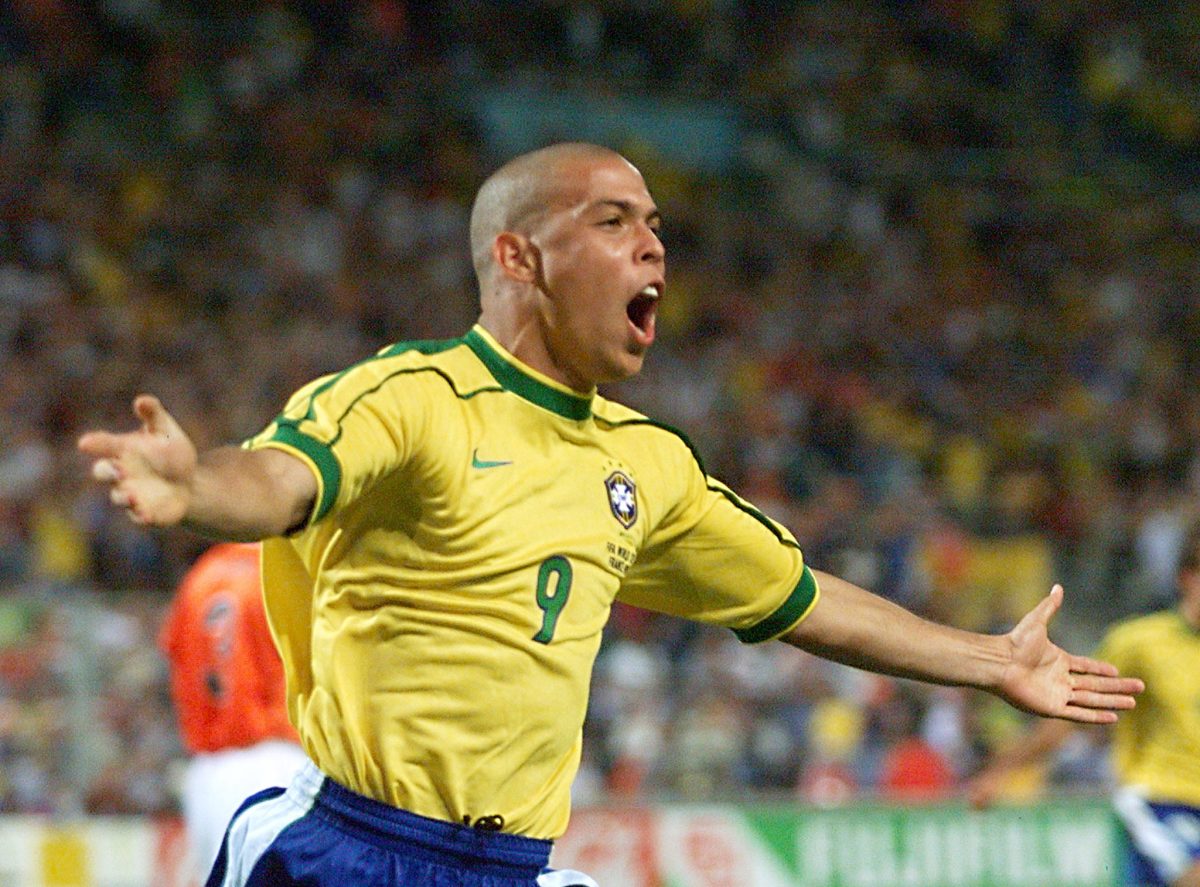
Alfredo Di Stéfano vs Mario Kempes: Stats Compared
Forward, Argentina (born 1926, retired 1966) · Striker, Argentina (born 1954, retired 1996)
Put Alfredo Di Stéfano and Mario Kempes side by side and you have a genuine generational conversation. Separated by their years at the top, each defined the football of their own generation. Alfredo Di Stéfano finishes with 511 career goals from 698 games — a 0.73 strike rate — against Mario Kempes's 350 from 600 at 0.58 per match. Reliable assist tallies simply do not exist for large stretches of their careers, leaving creativity to the eye rather than the spreadsheet. Alfredo Di Stéfano departs the game with 15 major pieces of silverware, including 5× European Cup (1956, 1957, 1958, 1959, 1960); Mario Kempes with 3, including 1× FIFA World Cup (1978). Across the post-war golden age and the 1970s respectively, their clinical and explosive styles captured the spirit of very different footballing times. Club journeys add another layer, with Alfredo Di Stéfano reaching his representative peak around 1958 across River Plate, Millonarios, Real Madrid, Espanyol and Mario Kempes doing so around 1978 with Rosario Central, Valencia CF, River Plate, Valencia CF, Hércules CF, Austria Vienna. Picking between them says as much about the picker as the players.
188 words · comparison angle: era
Player profiles
Real Madrid legend and key figure of their five-consecutive European Cups; defined the modern total footballer role.
“An omnipresent forward who dropped deep to construct attacks before arriving in the box to finish them.”
The talismanic top scorer of the 1978 World Cup, Kempes was Argentina's long-haired talisman and one of the first South American stars to shine in Spanish football.
“A powerful, direct forward who ran at defences from deep and finished with ferocious shooting power.”
Head-to-head stats
Career goals by season
Representative career seasons — goals per season for each player across their documented clubs.
Attribute radar
Attribute ratings are peak-era, 0–100. Different positions naturally skew the profile.
Attribute comparison
Trophy breakdown
- 5× European Cup (1956, 1957, 1958, 1959, 1960)
- 1× Intercontinental Cup (1960)
- 8× La Liga
- 1× Copa América (1947)
- 1× FIFA World Cup (1978)
- 1× UEFA Cup Winners' Cup (1980)
- 1× Copa del Rey (1979)
Trophy distribution
Career milestones
- 1945 River Plate debut
- 1947 Copa América winner with Argentina
- 1949 Moved to Millonarios in Colombia
- 1953 Signed for Real Madrid after a contested transfer
- 1956 First of five consecutive European Cups
- 1959 Won the first Ballon d'Or (Super Ballon d'Or) honoured later
- 1964 Left Real Madrid for Espanyol
- 1973 Professional debut for Rosario Central
- 1978 Won FIFA World Cup with Valencia CF
- 1979 Won Copa del Rey with Valencia CF
- 1978 Reached the peak of his powers at Valencia CF
- 1996 Retired after a final spell at Austria Vienna
- Finished his career with 350 goals in 600 appearances and 3 major honours. Finished his career with 350 goals in 600 appearances and 3 major honours.
The verdict
If forced to pick, Alfredo Di Stéfano is the choice: a decisive margin, with a sharper goalscoring record the deciding factor.
Alfredo Di Stéfano edges it (a decisive margin)