Alfredo Di Stéfano vs Per Mertesacker: Stats Compared
Forward, Argentina (born 1926, retired 1966) · Centre-Back, Germany (born 1984, retired 2018)
Alfredo Di Stéfano versus Per Mertesacker is a clash of two unmistakable footballing identities. It is in how they played, rather than what they won, that the comparison gets interesting. By the end Alfredo Di Stéfano had 511 goals from 698 caps and club outings; Per Mertesacker had 15 from 550. Modern assist data only covers part of their careers, so creativity is hard to compare cleanly — Alfredo Di Stéfano is listed at 0 and Per Mertesacker at 5 where figures survive. Alfredo Di Stéfano departs the game with 15 major pieces of silverware, including 5× European Cup (1956, 1957, 1958, 1959, 1960); Per Mertesacker with 4, including 1× FIFA World Cup (2014). Stylistically Alfredo Di Stéfano was mercurial where Per Mertesacker was uncompromising — two vocabularies of the same sport. Their routes to the top were distinct: Alfredo Di Stéfano built his reputation across River Plate, Millonarios, Real Madrid, Espanyol, peaking around 1958, while Per Mertesacker reached his defining level around 2014 after spells with Hannover 96, Werder Bremen, Arsenal. The honest conclusion is that comparison enriches appreciation rather than crowns a single winner.
186 words · comparison angle: style
Player profiles
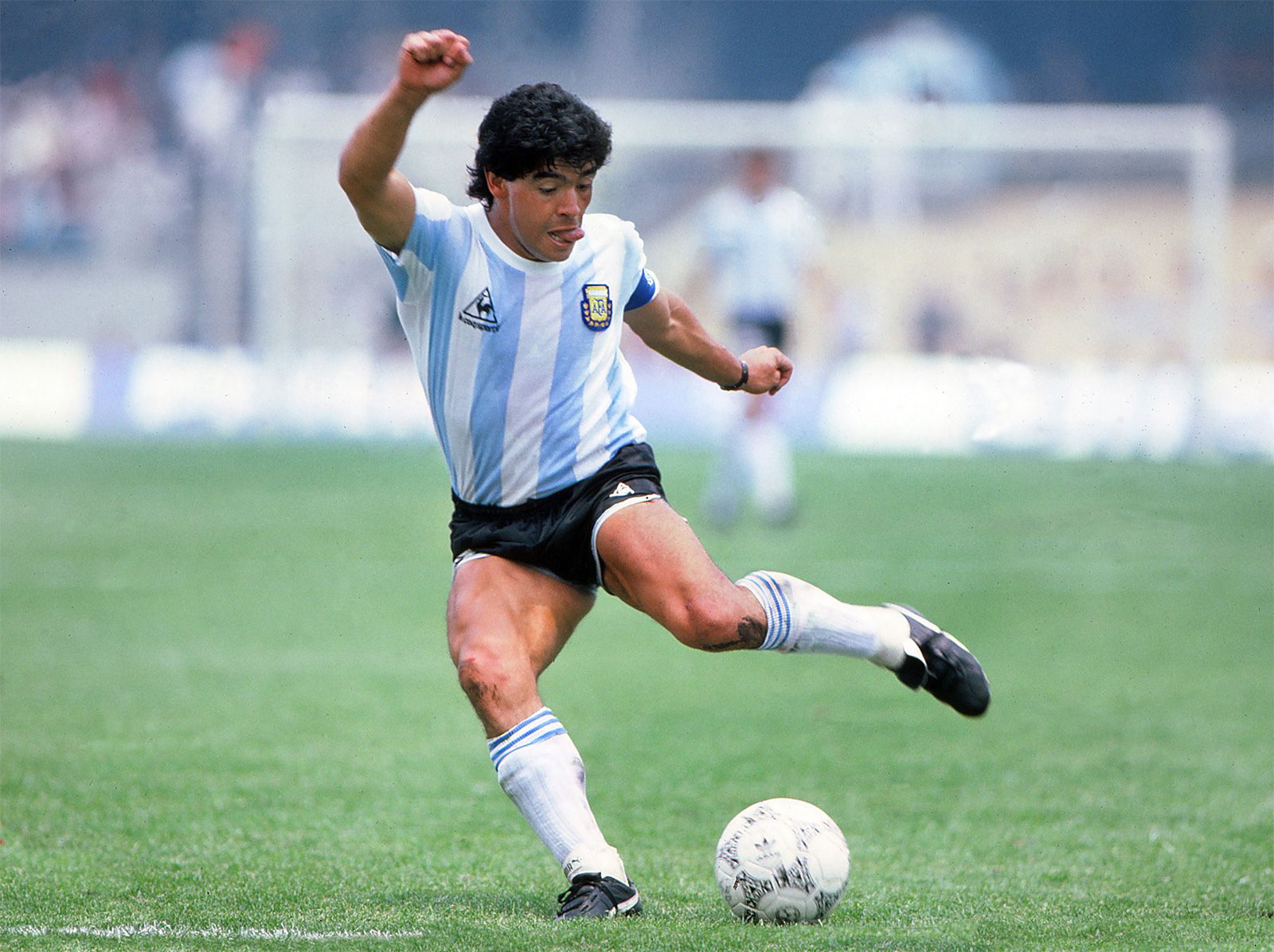
Real Madrid legend and key figure of their five-consecutive European Cups; defined the modern total footballer role.
“An omnipresent forward who dropped deep to construct attacks before arriving in the box to finish them.”
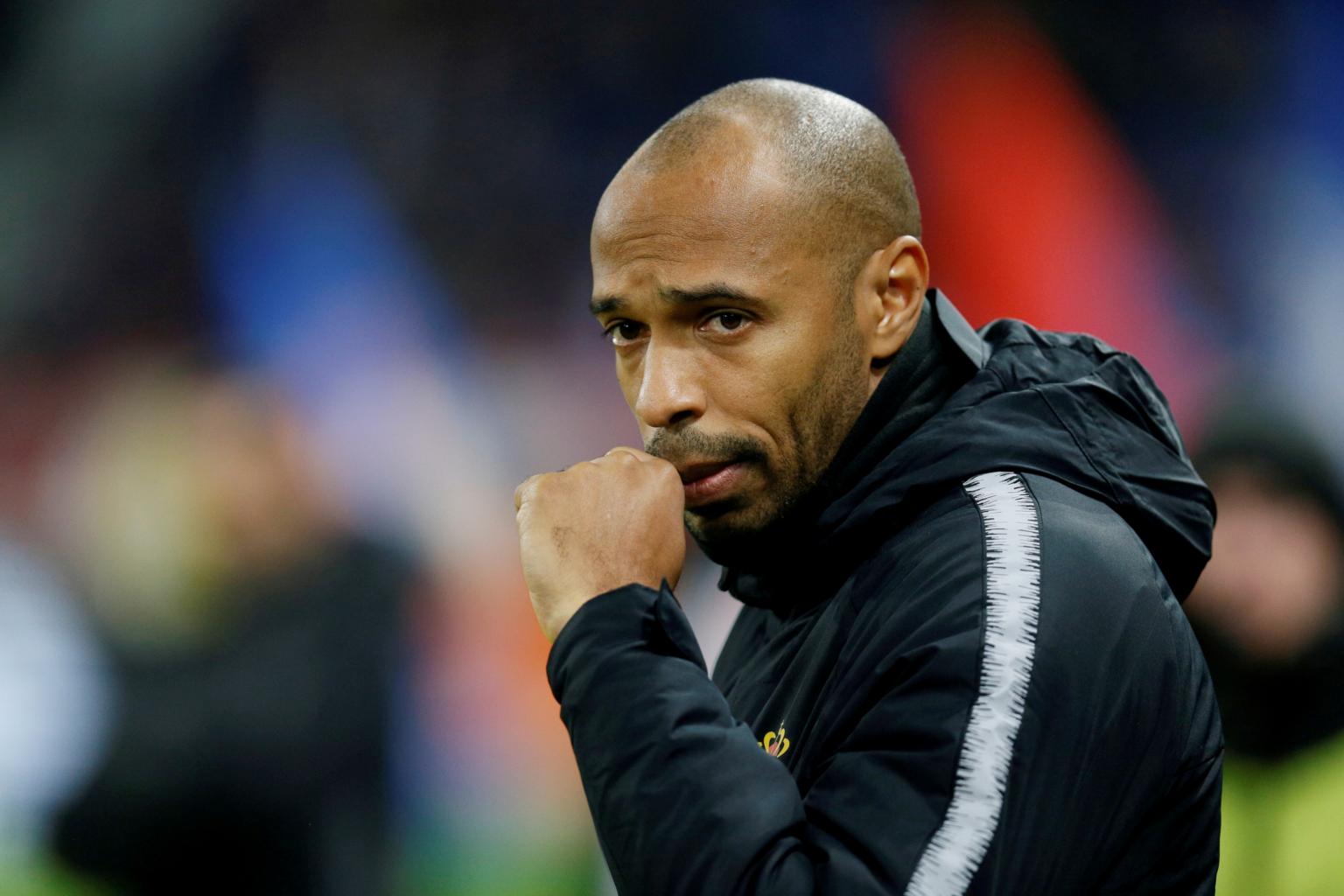
A towering, calm German centre-back nicknamed 'BFG' by Arsenal fans, Mertesacker started every match of Germany's triumphant 2014 World Cup campaign.
“A commanding, positionally intelligent centre-back whose reading of the game compensated for a lack of raw pace.”
Head-to-head stats
Career goals by season
Representative career seasons — goals per season for each player across their documented clubs.
Attribute radar
Attribute ratings are peak-era, 0–100. Different positions naturally skew the profile.
Attribute comparison
Trophy breakdown
- 5× European Cup (1956, 1957, 1958, 1959, 1960)
- 1× Intercontinental Cup (1960)
- 8× La Liga
- 1× Copa América (1947)
- 1× FIFA World Cup (2014)
- 3× FA Cup (2014, 2015, 2017)
Trophy distribution
Career milestones
- 1945 River Plate debut
- 1947 Copa América winner with Argentina
- 1949 Moved to Millonarios in Colombia
- 1953 Signed for Real Madrid after a contested transfer
- 1956 First of five consecutive European Cups
- 1959 Won the first Ballon d'Or (Super Ballon d'Or) honoured later
- 1964 Left Real Madrid for Espanyol
- 2001 Professional debut for Hannover 96
- 2014 Won FIFA World Cup with Arsenal
- 2014 Won FA Cup with Arsenal
- 2014 Reached the peak of his powers at Arsenal
- 2018 Retired after a final spell at Arsenal
- Finished his career with 15 goals in 550 appearances and 4 major honours. Finished his career with 15 goals in 550 appearances and 4 major honours.
The verdict
Reasonable people will disagree, but Alfredo Di Stéfano wins out by a decisive margin on the weight of a sharper goalscoring record.
Alfredo Di Stéfano edges it (a decisive margin)