Alfredo Di Stéfano vs Michael Owen: Stats Compared
Forward, Argentina (born 1926, retired 1966) · Striker, England (born 1979, retired 2013)
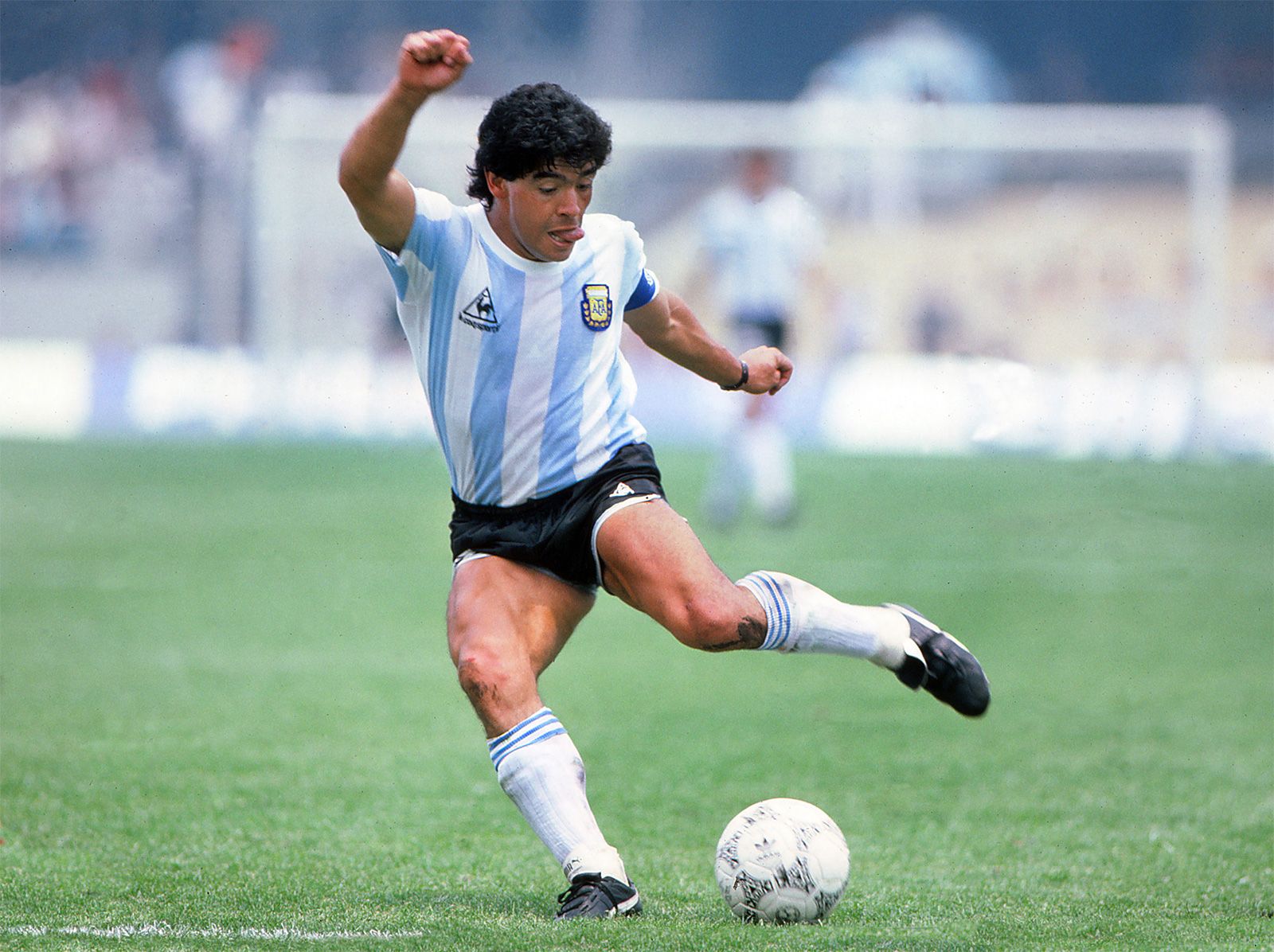
There is something timeless about weighing Alfredo Di Stéfano against Michael Owen. Their jobs on the pitch were not the same, yet both redefined what their role could be. Career output puts Alfredo Di Stéfano at 511 goals in 698 games, with Michael Owen at 222 in 483. Reliable assist tallies simply do not exist for large stretches of their careers, leaving creativity to the eye rather than the spreadsheet. In major honours Alfredo Di Stéfano collected 15 — headlined by 5× European Cup (1956, 1957, 1958, 1959, 1960) — whereas Michael Owen amassed 8, led by 1× Ballon d'Or (2001). As a forward Alfredo Di Stéfano bent the role to a clinical template; as a striker, Michael Owen redefined it with explosive authority. Context beyond the headline totals is important: Alfredo Di Stéfano's landmark level arrived around 1958 with a career spanning River Plate, Millonarios, Real Madrid, Espanyol; Michael Owen's came around 2001 across Liverpool, Real Madrid, Newcastle, Manchester United, Stoke. Rank them how you like — both names are carved into the sport's permanent record.
177 words · comparison angle: role
Player profiles
Real Madrid legend and key figure of their five-consecutive European Cups; defined the modern total footballer role.
“An omnipresent forward who dropped deep to construct attacks before arriving in the box to finish them.”
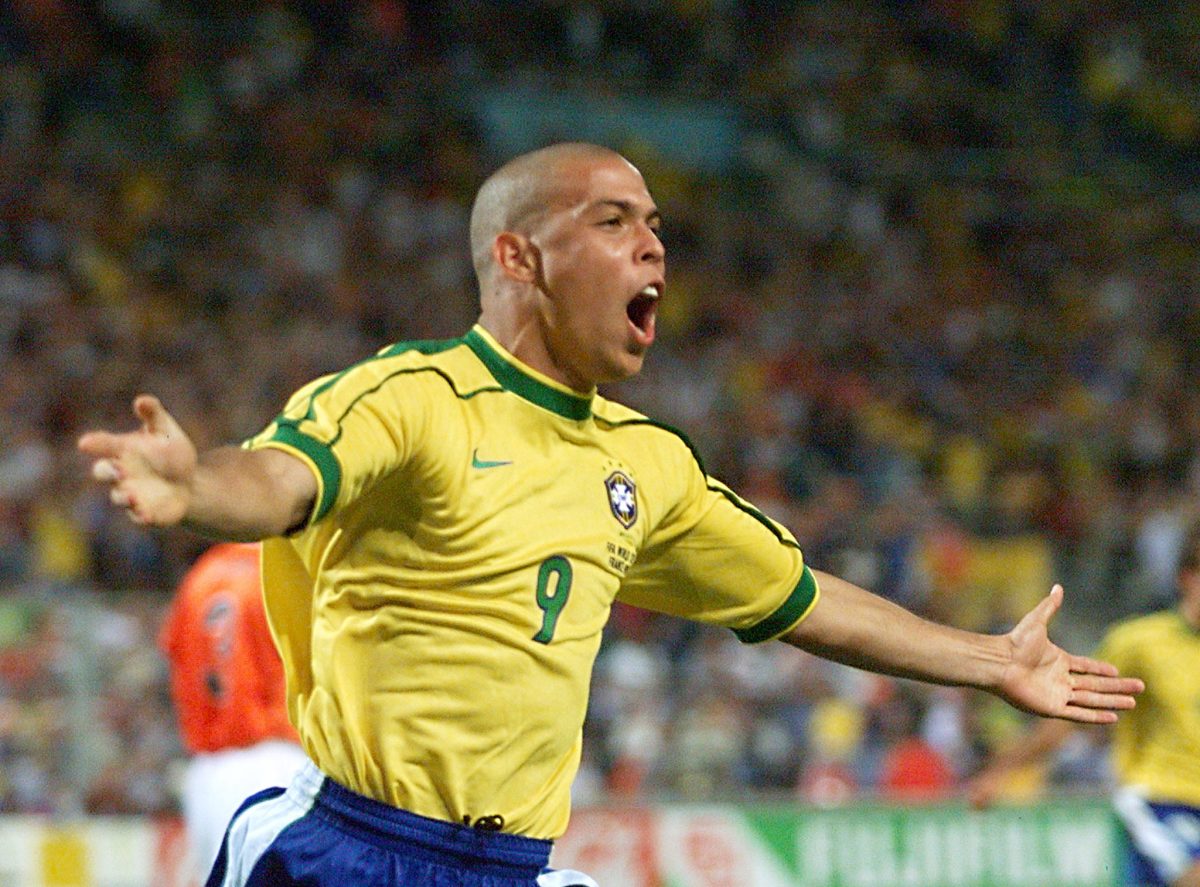
Michael James Owen (born 14 December 1979) is an English former professional footballer who played as a striker for Liverpool, Real Madrid, Newcastle United, Manchester United, and Stoke City, as well as the England national team. Since retiring from football in 2013, he has become a racehorse breeder and owner and regularly features as a sports pundit and commentator. Regarded as one of the best strikers of his generation, in 2001, Owen was the recipient of the Ballon d'Or.
“A lightning-fast finisher whose first step and one-on-one instincts defined his peak.”
Head-to-head stats
Career goals by season
Representative career seasons — goals per season for each player across their documented clubs.
Attribute radar
Attribute ratings are peak-era, 0–100. Different positions naturally skew the profile.
Attribute comparison
Trophy breakdown
- 5× European Cup (1956, 1957, 1958, 1959, 1960)
- 1× Intercontinental Cup (1960)
- 8× La Liga
- 1× Copa América (1947)
- 1× Ballon d'Or (2001)
Trophy distribution
Career milestones
- 1945 River Plate debut
- 1947 Copa América winner with Argentina
- 1949 Moved to Millonarios in Colombia
- 1953 Signed for Real Madrid after a contested transfer
- 1956 First of five consecutive European Cups
- 1959 Won the first Ballon d'Or (Super Ballon d'Or) honoured later
- 1964 Left Real Madrid for Espanyol
- 1993 Established himself at Liverpool
- 1997 Reached his defining peak
- 2001 Delivered a landmark season
- 2013 Retired from professional football
The verdict
On balance Alfredo Di Stéfano edges the comparison. The margin is a decisive margin, decided mostly by a sharper goalscoring record.
Alfredo Di Stéfano edges it (a decisive margin)