Alfredo Di Stéfano vs Andrea Pirlo: Stats Compared
Forward, Argentina (born 1926, retired 1966) · Central / Attacking Midfielder, Italy (born 1979, retired 2017)
There is something timeless about weighing Alfredo Di Stéfano against Andrea Pirlo. Greatness, in the end, is about who you inspired, and both left a footprint far beyond their own careers. Alfredo Di Stéfano finishes with 511 career goals from 698 games — a 0.73 strike rate — against Andrea Pirlo's 73 from 728 at 0.10 per match. Assists were not reliably tracked for much of their careers, which makes the playmaking comparison an imperfect one; where records exist, Alfredo Di Stéfano is credited with 0 and Andrea Pirlo with 80. In major honours Alfredo Di Stéfano collected 15 — headlined by 5× European Cup (1956, 1957, 1958, 1959, 1960) — whereas Andrea Pirlo amassed 13, led by 1× FIFA World Cup (2006). History will file Alfredo Di Stéfano under flair-driven greatness and Andrea Pirlo under dictatorial greatness — different shelves, same temple. Their routes to the top were distinct: Alfredo Di Stéfano built his reputation across River Plate, Millonarios, Real Madrid, Espanyol, peaking around 1958, while Andrea Pirlo reached his defining level around 2006 after spells with Brescia, Inter Milan, AC Milan, Juventus, New York City FC. Rank them how you like — both names are carved into the sport's permanent record.
203 words · comparison angle: legacy
Player profiles
Real Madrid legend and key figure of their five-consecutive European Cups; defined the modern total footballer role.
“An omnipresent forward who dropped deep to construct attacks before arriving in the box to finish them.”
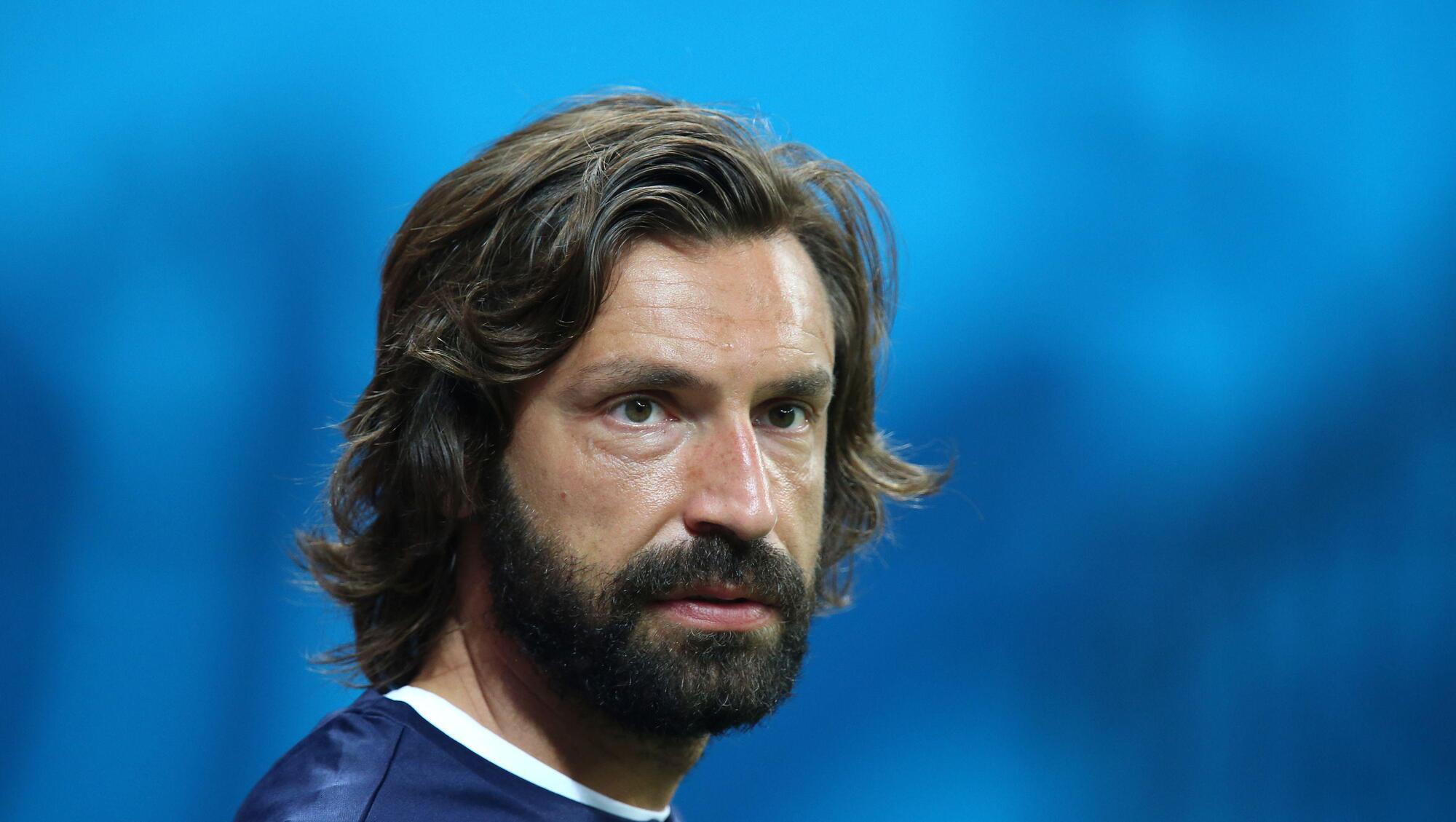
Italian playmaker and World Cup winner; six-time Serie A champion and two-time Champions League winner.
“A deep-lying regista whose passing range and free-kick craft orchestrated Italy and Juventus for a decade.”
Head-to-head stats
Career goals by season
Representative career seasons — goals per season for each player across their documented clubs.
Attribute radar
Attribute ratings are peak-era, 0–100. Different positions naturally skew the profile.
Attribute comparison
Trophy breakdown
- 5× European Cup (1956, 1957, 1958, 1959, 1960)
- 1× Intercontinental Cup (1960)
- 8× La Liga
- 1× Copa América (1947)
- 1× FIFA World Cup (2006)
- 2× UEFA Champions League (2003, 2007)
- 6× Serie A
- 2× Coppa Italia
- 2× UEFA Super Cup (2003, 2007)
Trophy distribution
Career milestones
- 1945 River Plate debut
- 1947 Copa América winner with Argentina
- 1949 Moved to Millonarios in Colombia
- 1953 Signed for Real Madrid after a contested transfer
- 1956 First of five consecutive European Cups
- 1959 Won the first Ballon d'Or (Super Ballon d'Or) honoured later
- 1964 Left Real Madrid for Espanyol
- 1995 Brescia debut aged 16
- 1998 Signed for Inter Milan but failed to break through
- 2001 Joined AC Milan and his career took off
- 2006 World Cup winner with Italy
- 2011 Free transfer to Juventus
- 2014 Set a Serie A points record with Juventus
- 2015 Joined MLS side New York City FC
The verdict
The numbers give Alfredo Di Stéfano the lead — a decisive margin, courtesy of a sharper goalscoring record.
Alfredo Di Stéfano edges it (a decisive margin)