Alfredo Di Stéfano vs Sócrates: Stats Compared
Forward, Argentina (born 1926, retired 1966) · Attacking Midfielder, Brazil (born 1954, retired 1989)
Line up Alfredo Di Stéfano next to Sócrates and the contrasts come quickly. Reputations harden into legacies, and few careers cast longer shadows than these two. The raw numbers read 511 goals in 698 outings for Alfredo Di Stéfano (0.73/game), versus 258 in 594 for Sócrates (0.43/game). Assists were never formally recorded across most of their eras, so the playmaking dimension has to be judged on reputation and highlights rather than hard totals. In major honours Alfredo Di Stéfano collected 15 — headlined by 5× European Cup (1956, 1957, 1958, 1959, 1960) — whereas Sócrates amassed 8, led by 3× Campeonato Brasileiro Série A. Their legacies diverge in texture: Alfredo Di Stéfano is remembered as mercurial, Sócrates as intelligent. The wider career context matters too: Alfredo Di Stéfano peaked around 1958 after representing River Plate, Millonarios, Real Madrid, Espanyol, while Sócrates's defining level came around 1982 across Botafogo-SP, Corinthians, Fiorentina, Flamengo. Rank them how you like — both names are carved into the sport's permanent record.
166 words · comparison angle: legacy
Player profiles
Real Madrid legend and key figure of their five-consecutive European Cups; defined the modern total footballer role.
“An omnipresent forward who dropped deep to construct attacks before arriving in the box to finish them.”
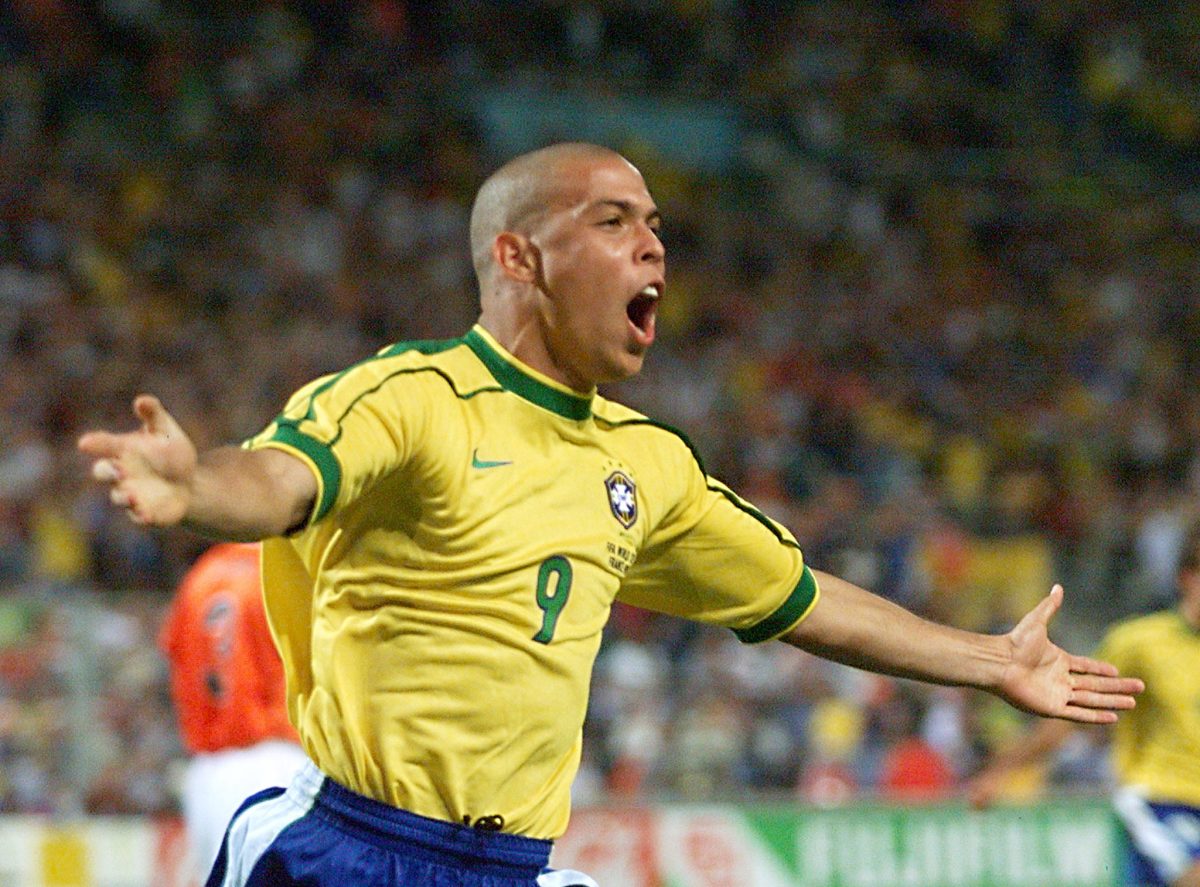
Sócrates Brasileiro Sampaio de Souza Vieira de Oliveira (19 February 1954 – 4 December 2011), simply known as Sócrates, was a Brazilian footballer who played as a midfielder. His medical degree and his political awareness, combined with style and quality of his play, earned him the nickname "Doctor Socrates". Famous for his beard and the headband he wore during the 1986 World Cup in solidarity with victims of the Mexico City earthquake, Sócrates became the "symbol of cool for a whole generation of football supporters".
“A languid playmaker whose backheels, vision and civic conviction made him unforgettable.”
Head-to-head stats
Career goals by season
Representative career seasons — goals per season for each player across their documented clubs.
Attribute radar
Attribute ratings are peak-era, 0–100. Different positions naturally skew the profile.
Attribute comparison
Trophy breakdown
- 5× European Cup (1956, 1957, 1958, 1959, 1960)
- 1× Intercontinental Cup (1960)
- 8× La Liga
- 1× Copa América (1947)
- 3× Campeonato Brasileiro Série A
Trophy distribution
Career milestones
- 1945 River Plate debut
- 1947 Copa América winner with Argentina
- 1949 Moved to Millonarios in Colombia
- 1953 Signed for Real Madrid after a contested transfer
- 1956 First of five consecutive European Cups
- 1959 Won the first Ballon d'Or (Super Ballon d'Or) honoured later
- 1964 Left Real Madrid for Espanyol
- 1974 Established himself at Botafogo-SP
- 1978 Reached his defining peak
- 1982 Delivered a landmark season
- 1989 Retired from professional football
The verdict
Reasonable people will disagree, but Alfredo Di Stéfano wins out by a decisive margin on the weight of a sharper goalscoring record.
Alfredo Di Stéfano edges it (a decisive margin)