Alfredo Di Stéfano vs Davor Šuker: Stats Compared
Forward, Argentina (born 1926, retired 1966) · Striker, Croatia (born 1968, retired 2003)
There is something timeless about weighing Alfredo Di Stéfano against Davor Šuker. Long after the final whistle, what lingers is influence, and each man reshaped his corner of the game. On production alone, Alfredo Di Stéfano posted 511 goals across 698 appearances while Davor Šuker managed 273 across 526. Because assists were not systematically tracked for much of their time, that side of the comparison rests on the footage that survives. In major honours Alfredo Di Stéfano collected 15 — headlined by 5× European Cup (1956, 1957, 1958, 1959, 1960) — whereas Davor Šuker amassed 8, led by 1× UEFA Champions League (1998). History will file Alfredo Di Stéfano under flair-driven greatness and Davor Šuker under explosive greatness — different shelves, same temple. Club journeys add another layer, with Alfredo Di Stéfano reaching his representative peak around 1958 across River Plate, Millonarios, Real Madrid, Espanyol and Davor Šuker doing so around 1998 with Osijek, Sevilla, Real Madrid, Arsenal, West Ham. Picking between them says as much about the picker as the players.
172 words · comparison angle: legacy
Player profiles
Real Madrid legend and key figure of their five-consecutive European Cups; defined the modern total footballer role.
“An omnipresent forward who dropped deep to construct attacks before arriving in the box to finish them.”
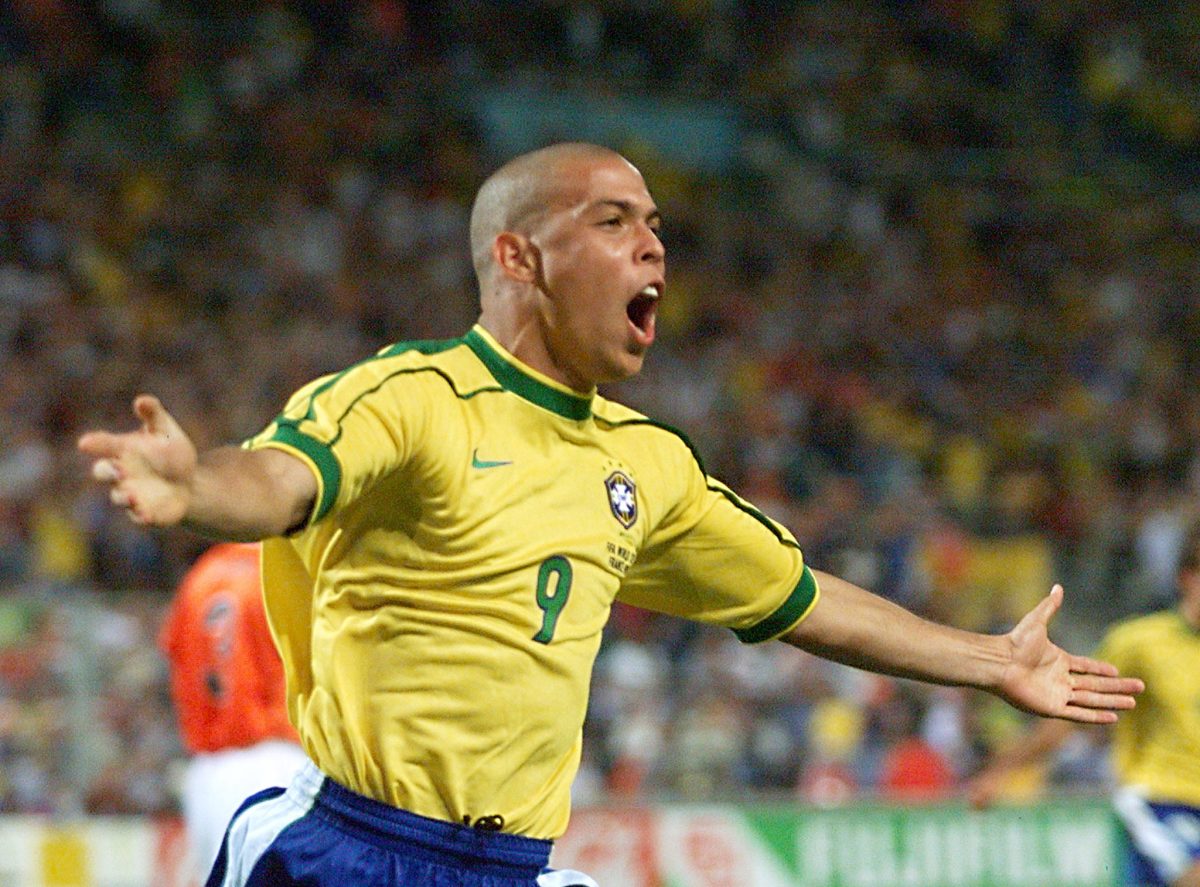
Davor Šuker is a Croatian football administrator and former professional player who played as a striker. He served as the president of the Croatian Football Federation (HNS) from 2012 to 2021. Šuker is generally regarded as the greatest Croatian striker of all time with a record 45 goals in 68 matches.
“A left-footed finisher with delicate touch, clever movement and a taste for spectacular goals.”
Head-to-head stats
Career goals by season
Representative career seasons — goals per season for each player across their documented clubs.
Attribute radar
Attribute ratings are peak-era, 0–100. Different positions naturally skew the profile.
Attribute comparison
Trophy breakdown
- 5× European Cup (1956, 1957, 1958, 1959, 1960)
- 1× Intercontinental Cup (1960)
- 8× La Liga
- 1× Copa América (1947)
- 1× UEFA Champions League (1998)
Trophy distribution
Career milestones
- 1945 River Plate debut
- 1947 Copa América winner with Argentina
- 1949 Moved to Millonarios in Colombia
- 1953 Signed for Real Madrid after a contested transfer
- 1956 First of five consecutive European Cups
- 1959 Won the first Ballon d'Or (Super Ballon d'Or) honoured later
- 1964 Left Real Madrid for Espanyol
- 1990 Established himself at Osijek
- 1994 Reached his defining peak
- 1998 Delivered a landmark season
- 2003 Retired from professional football
The verdict
On balance Alfredo Di Stéfano edges the comparison. The margin is a decisive margin, decided mostly by a sharper goalscoring record.
Alfredo Di Stéfano edges it (a decisive margin)