Diego Forlán vs Uwe Seeler: Stats Compared
Striker, Uruguay (born 1979, retired 2019) · Striker, Germany (born 1936, retired 1972)
Diego Forlán and Uwe Seeler represent two answers to the same question: how do you define a great? Position shapes everything in football, and these two fulfilled very different briefs. Across his senior career Diego Forlán notched 315 goals in 650 appearances (0.48 per game), while Uwe Seeler recorded 445 in 580 (0.77 per game). Modern assist data only covers part of their careers, so creativity is hard to compare cleanly — Diego Forlán is listed at 90 and Uwe Seeler at 0 where figures survive. In major honours Diego Forlán collected 3 — headlined by 2× UEFA Europa League (2010, 2012) — whereas Uwe Seeler amassed 2, led by 1× German Championship (1960). As a striker Diego Forlán bent the role to a predatory template; as a striker, Uwe Seeler redefined it with predatory authority. Club journeys add another layer, with Diego Forlán reaching his representative peak around 2010 across Independiente, Manchester United, Villarreal, Atlético Madrid, Inter Milan, Internacional, Cerezo Osaka, Peñarol and Uwe Seeler doing so around 1966 with Hamburger SV. Picking between them says as much about the picker as the players.
185 words · comparison angle: role
Player profiles
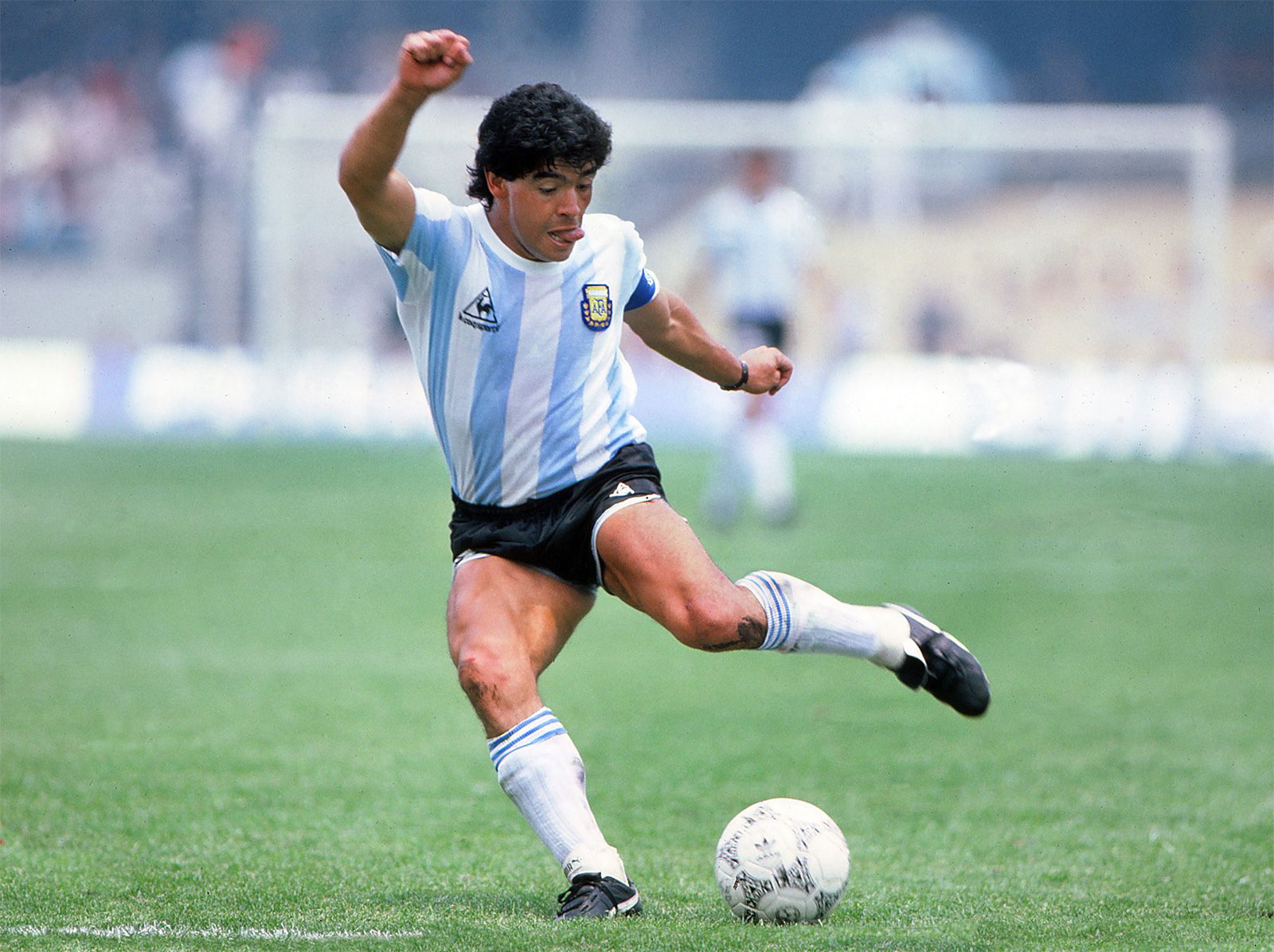
Winner of the Golden Ball as the standout player of the 2010 World Cup, Forlán was a prolific, two-footed striker who twice won the European Golden Shoe.
“A tireless, two-footed striker whose work rate and clean striking technique made him a nightmare for defenders in behind.”
A one-club legend who spent his entire career at Hamburger SV, Seeler captained West Germany at four World Cups and remains one of the Bundesliga era's most beloved strikers.
“A stocky, powerful striker renowned for his overhead kicks and remarkable spring for a player of modest height.”
Head-to-head stats
Career goals by season
Representative career seasons — goals per season for each player across their documented clubs.
Attribute radar
Attribute ratings are peak-era, 0–100. Different positions naturally skew the profile.
Attribute comparison
Trophy breakdown
- 2× UEFA Europa League (2010, 2012)
- 1× UEFA Super Cup (2010)
- 1× German Championship (1960)
- 1× DFB-Pokal (1963)
Trophy distribution
Career milestones
- 2001 Professional debut for Independiente
- 2010 Won UEFA Europa League with Atlético Madrid
- 2010 Won UEFA Super Cup with Atlético Madrid
- 2010 Reached the peak of his powers at Atlético Madrid
- 2019 Retired after a final spell at Peñarol
- Finished his career with 315 goals in 650 appearances and 3 major honours. Finished his career with 315 goals in 650 appearances and 3 major honours.
- 1954 Professional debut for Hamburger SV
- 1960 Won German Championship with Hamburger SV
- 1963 Won DFB-Pokal with Hamburger SV
- 1966 Reached the peak of his powers at Hamburger SV
- 1972 Retired after a final spell at Hamburger SV
- Finished his career with 445 goals in 580 appearances and 2 major honours. Finished his career with 445 goals in 580 appearances and 2 major honours.
The verdict
Weighing production, silverware and profile, the two finish within a whisker of each other. Call it a respectful draw — greatness of this calibre resists a single winner.
Too close to call — a respectful draw