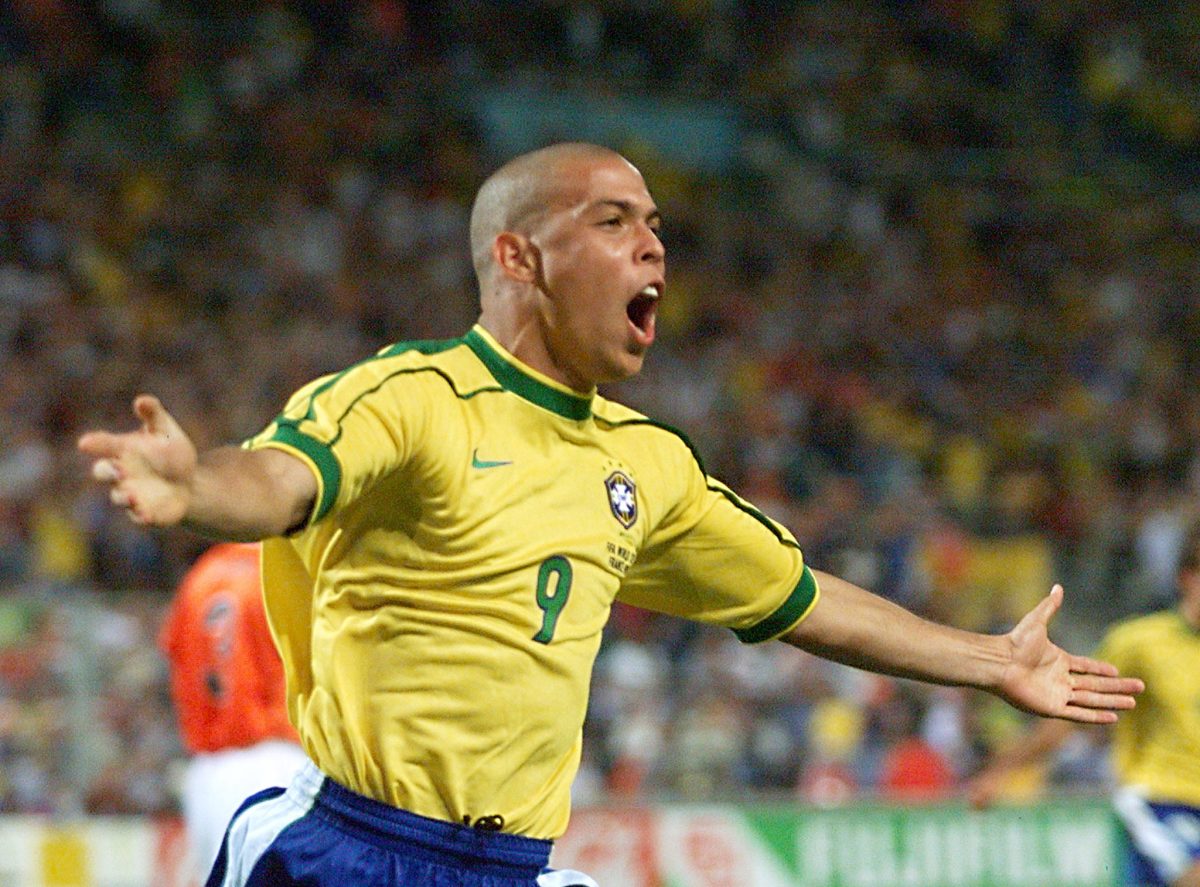
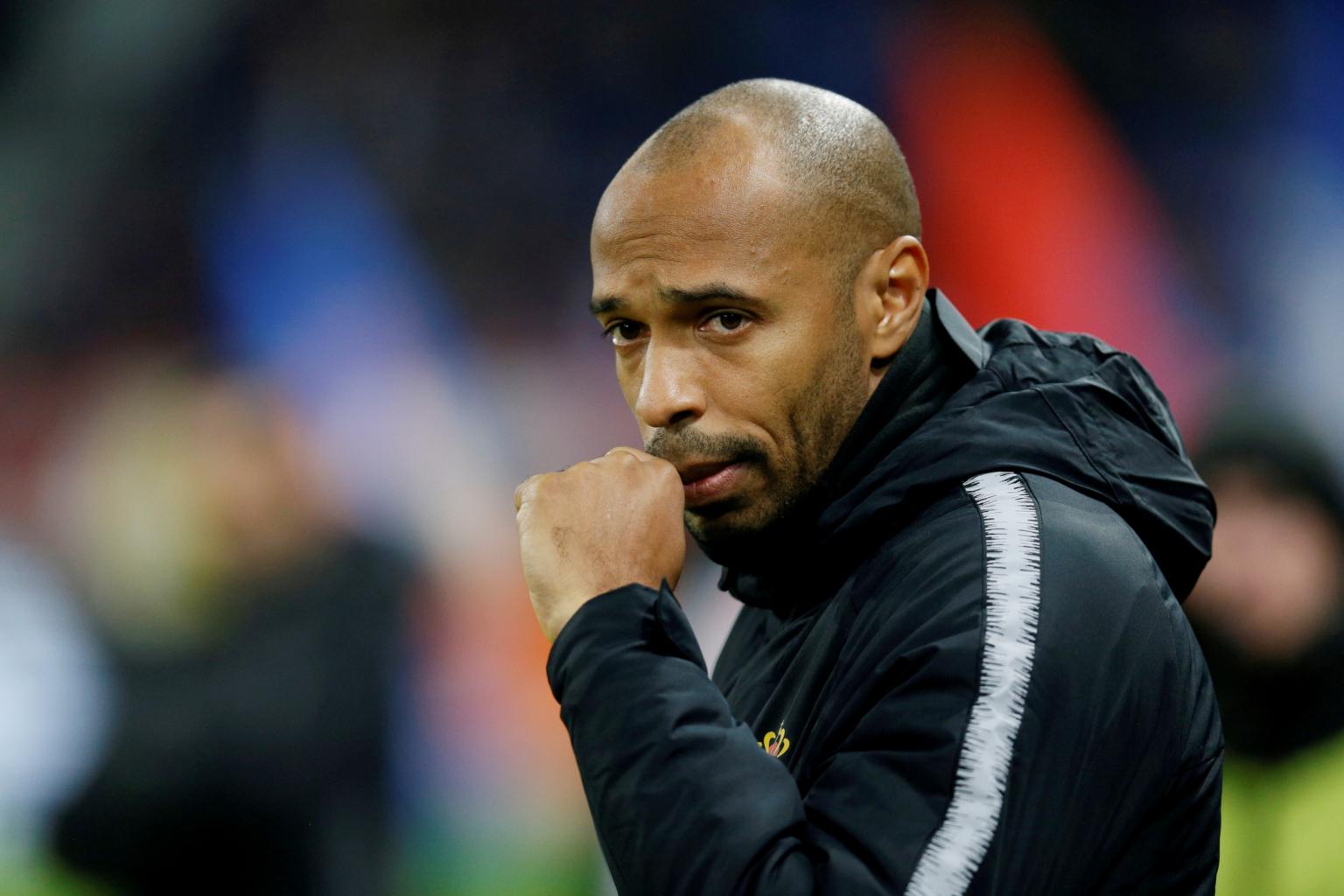
Gerd Müller vs Michel Platini: Stats Compared
Striker, Germany (born 1945, retired 1982) · Attacking Midfielder, France (born 1955, retired 1987)
Put Gerd Müller and Michel Platini side by side and you have a genuine generational conversation. Greatness, in the end, is about who you inspired, and both left a footprint far beyond their own careers. Career output puts Gerd Müller at 735 goals in 793 games, with Michel Platini at 312 in 580. Reliable assist tallies simply do not exist for large stretches of their careers, leaving creativity to the eye rather than the spreadsheet. Trophy counts give Gerd Müller 9 and Michel Platini 7, with 1× FIFA World Cup (1974) and 1× UEFA European Championship (1984) the standout honours respectively. History will file Gerd Müller under ruthless greatness and Michel Platini under creative greatness — different shelves, same temple. Their routes to the top were distinct: Gerd Müller built his reputation across Bayern Munich, Fort Lauderdale Strikers, peaking around 1970, while Michel Platini reached his defining level around 1984 after spells with Nancy, Saint-Étienne, Juventus. Greatness, in cases like this, is rarely a zero-sum affair.
166 words · comparison angle: legacy
Player profiles
Gerhard Müller was a German professional footballer. A prolific striker, especially in and around the six-yard box, he is widely regarded as one of the greatest goalscorers and players in the history of the sport. With success at both the club level and the international level, he is one of eleven players to have won the FIFA World Cup, the UEFA Champions League and the Ballon d'Or.
“A penalty-box master whose movement and finishing turned half-chances into goals.”
French playmaker who won three consecutive Ballon d'Or awards (1983-85) and led France to the 1984 European Championship title.
“A free-kick maestro and orchestrating No.10 who won three consecutive Ballon d'Ors in the mid-1980s.”
Head-to-head stats
Career goals by season
Representative career seasons — goals per season for each player across their documented clubs.
Attribute radar
Attribute ratings are peak-era, 0–100. Different positions naturally skew the profile.
Attribute comparison
Trophy breakdown
- 1× FIFA World Cup (1974)
- 1× UEFA European Championship (1984)
- 1× European Cup (1985)
- 2× Serie A (1984, 1986)
- 1× UEFA Cup Winners' Cup (1984)
- 1× Intercontinental Cup (1985)
- 1× Coppa Italia (1983)
Trophy distribution
Career milestones
- 1962 Established himself at Bayern Munich
- 1966 Reached his defining peak
- 1970 Delivered a landmark season
- 1982 Retired from professional football
- 1972 Nancy debut
- 1979 Joined Saint-Étienne
- 1982 Signed for Juventus
- 1984 Euro winner, top scorer with nine goals
- 1984 First of three consecutive Ballon d'Or wins
- 1985 European Cup winner with Juventus
- 1987 Retired aged 32
The verdict
If forced to pick, Gerd Müller is the choice: a narrow margin, with a sharper goalscoring record the deciding factor.
Gerd Müller edges it (a narrow margin)