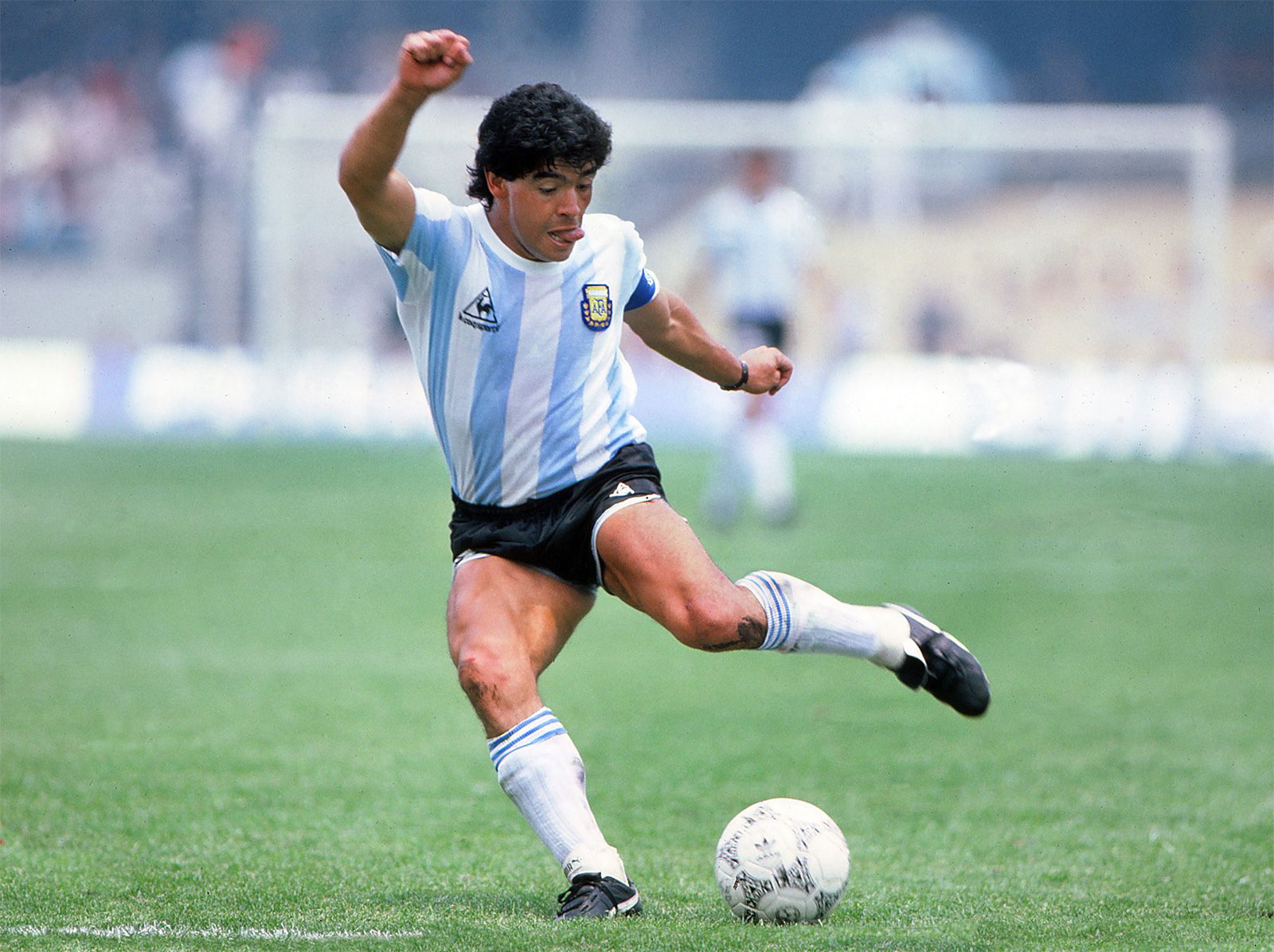
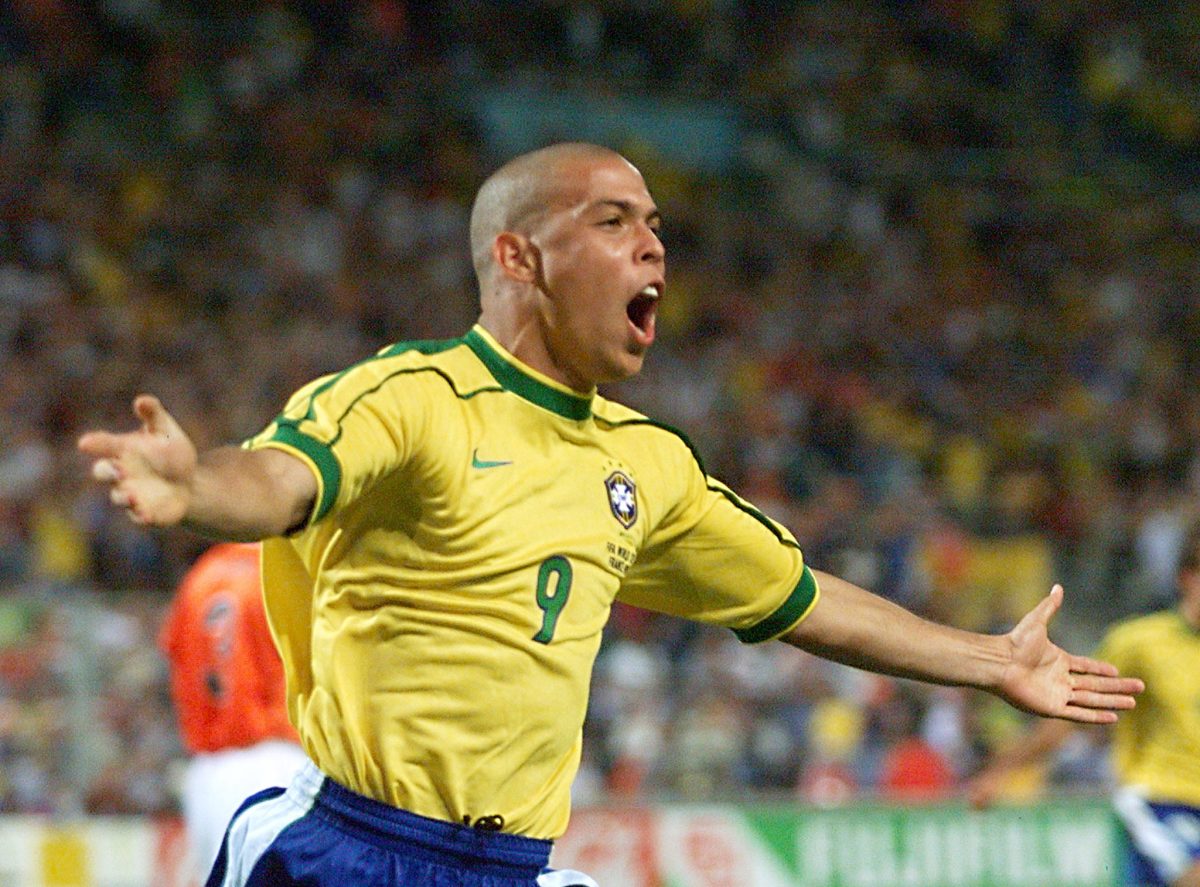
Ian Rush vs Dunga: Stats Compared
Striker, Wales (born 1961, retired 2000) · Defensive Midfielder, Brazil (born 1963, retired 1998)
Comparing Ian Rush with Dunga means weighing two very different kinds of greatness. Position shapes everything in football, and these two fulfilled very different briefs. On production alone, Ian Rush posted 346 goals across 660 appearances while Dunga managed 60 across 687. Because assists were not systematically tracked for much of their time, that side of the comparison rests on the footage that survives. Trophy counts give Ian Rush 9 and Dunga 8, with 2× European Cup (1984, 1985) and 1× FIFA World Cup (1994) the standout honours respectively. As a striker Ian Rush bent the role to a flair-driven template; as a defensive midfielder, Dunga redefined it with dictatorial authority. Their routes to the top were distinct: Ian Rush built his reputation across Liverpool, Juventus, Leeds United, peaking around 1984, while Dunga reached his defining level around 1994 after spells with Vasco da Gama, Fiorentina, Stuttgart, Júbilo Iwata. The honest conclusion is that comparison enriches appreciation rather than crowns a single winner.
163 words · comparison angle: role
Player profiles
Ian James Rush (born 20 October 1961) is a Welsh former professional footballer who played as a forward. He is regarded as one of the best strikers of all time and one of the greatest Welsh players ever. Rush played for Liverpool from 1980 to 1987 and 1988 to 1996.
“A tireless runner with sharp movement, a fast release and a sixth sense for rebounds.”
Carlos Caetano Bledorn Verri (born 31 October 1963), commonly known as Dunga, is a Brazilian football manager and former professional player. Considered one of the greatest defensive midfielders of all time, as a player, he was known for his technique, athleticism, passing range, solid tackles and first touch. Under the captaincy Dunga took from Raí, Brazil won the 1994 FIFA World Cup and became runners-up of the following edition.
“A disciplined captain whose tackling, structure and fierce standards gave Brazil balance.”
Head-to-head stats
Career goals by season
Representative career seasons — goals per season for each player across their documented clubs.
Attribute radar
Attribute ratings are peak-era, 0–100. Different positions naturally skew the profile.
Attribute comparison
Trophy breakdown
- 2× European Cup (1984, 1985)
- 1× FIFA World Cup (1994)
Trophy distribution
Career milestones
- 1976 Established himself at Liverpool
- 1980 Reached his defining peak
- 1984 Delivered a landmark season
- 2000 Retired from professional football
- 1986 Established himself at Vasco da Gama
- 1990 Reached his defining peak
- 1994 Delivered a landmark season
- 1998 Retired from professional football
The verdict
Weighing production, silverware and profile, the two finish within a whisker of each other. Call it a respectful draw — greatness of this calibre resists a single winner.
Too close to call — a respectful draw