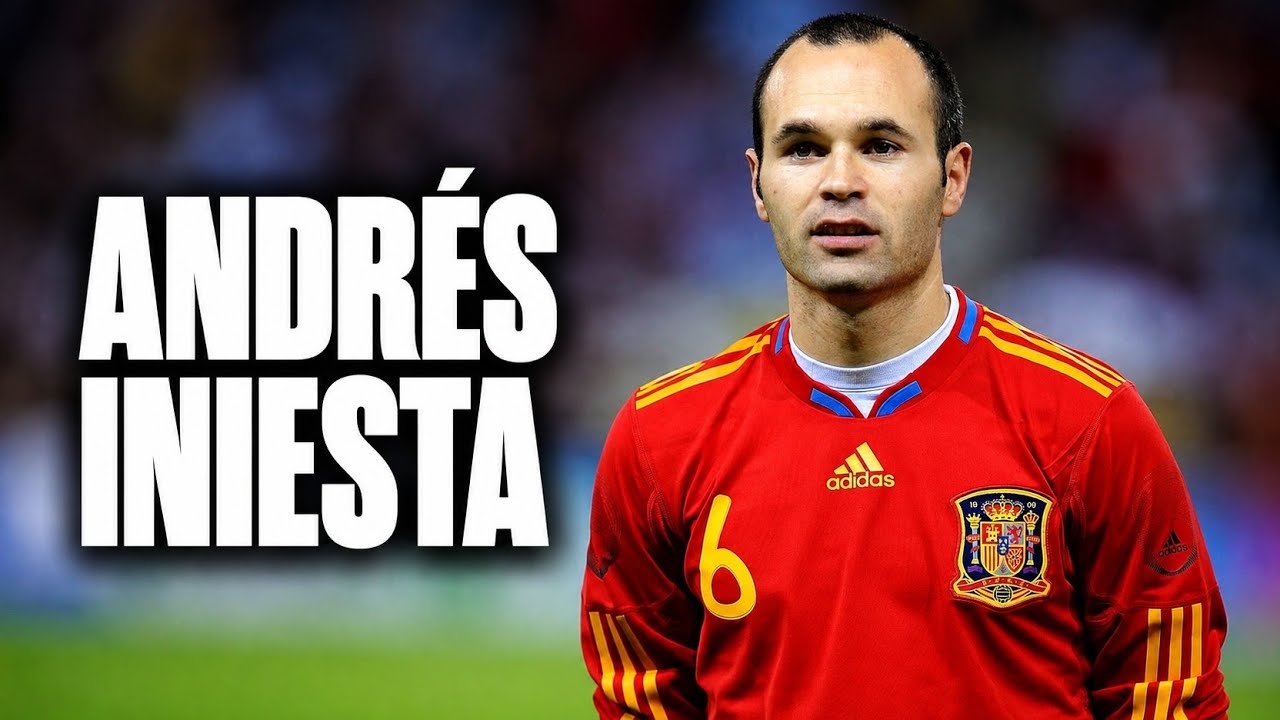

Andrés Iniesta vs Luis Suárez: Stats Compared
Central / Attacking Midfielder, Spain (born 1984, retired 2023) · Central Midfielder, Spain (born 1935, retired 1973)
Andrés Iniesta and Luis Suárez represent two answers to the same question: how do you define a great? Long after the final whistle, what lingers is influence, and each man reshaped his corner of the game. By the end Andrés Iniesta had 88 goals from 945 caps and club outings; Luis Suárez had 198 from 474. Modern assist data only covers part of their careers, so creativity is hard to compare cleanly — Andrés Iniesta is listed at 200 and Luis Suárez at 0 where figures survive. In major honours Andrés Iniesta collected 25 — headlined by 1× FIFA World Cup (2010) — whereas Luis Suárez amassed 9, led by 2× European Cup (1964, 1965). History will file Andrés Iniesta under dictatorial greatness and Luis Suárez under dictatorial greatness — different shelves, same temple. The wider career context matters too: Andrés Iniesta peaked around 2012 after representing Barcelona, Vissel Kobe, Emirates, while Luis Suárez's defining level came around 1964 across Deportivo, Barcelona, Inter Milan, Sampdoria. The honest conclusion is that comparison enriches appreciation rather than crowns a single winner.
179 words · comparison angle: legacy
Player profiles
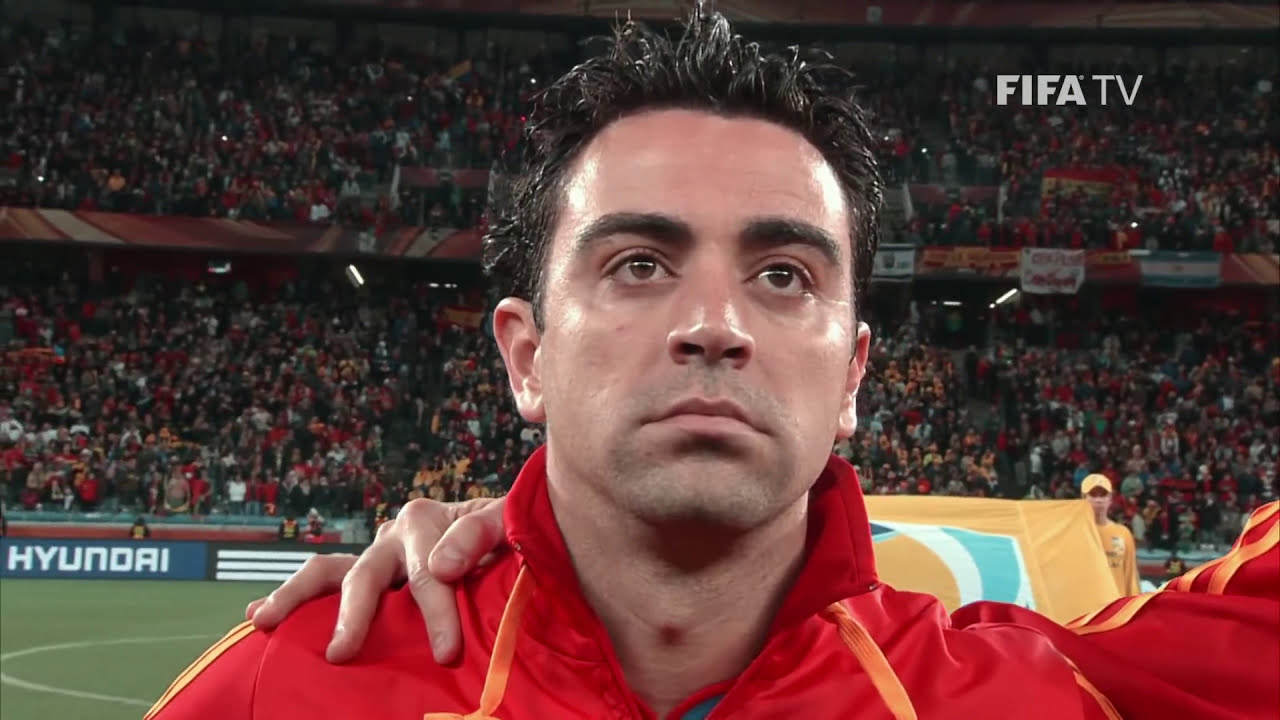
Spanish midfielder who scored the winning goal in the 2010 World Cup final; nine-time La Liga winner and four-time Champions League winner with Barcelona.
“A balletic dribbler with immaculate balance, body feints and an unerring habit of scoring in finals.”
Luis Suárez Miramontes was a Spanish professional footballer and manager. He played as a midfielder for Deportivo de La Coruña, España Industrial, Barcelona, Inter Milan, Sampdoria; he also represented the Spain national team between 1957 and 1972. Widely regarded as one of the greatest Spanish football players of all time, Suárez was noted for his elegant and fluid style of play and also regarded to be one of the greatest midfielders in the history of the sport.
“A cultured interior who saw passing lanes early and dictated matches with elegant control.”
Head-to-head stats
Career goals by season
Representative career seasons — goals per season for each player across their documented clubs.
Attribute radar
Attribute ratings are peak-era, 0–100. Different positions naturally skew the profile.
Attribute comparison
Trophy breakdown
- 1× FIFA World Cup (2010)
- 2× UEFA European Championship (2008, 2012)
- 4× UEFA Champions League (2006, 2009, 2011, 2015)
- 9× La Liga
- 6× Copa del Rey
- 3× FIFA Club World Cup
- 2× European Cup (1964, 1965)
Trophy distribution
Career milestones
- 2002 Barcelona debut
- 2006 Champions League winner in Paris
- 2008 Euro winner with Spain
- 2009 Treble winner under Pep Guardiola
- 2012 Named Player of the Tournament at Euro 2012
- 2015 Won his fourth Champions League in his final Barça season
- 2018 Joined Vissel Kobe in Japan
- 1956 Established himself at Deportivo
- 1960 Reached his defining peak
- 1964 Delivered a landmark season
- 1973 Retired from professional football
The verdict
If forced to pick, Andrés Iniesta is the choice: a decisive margin, with a weightier trophy cabinet the deciding factor.
Andrés Iniesta edges it (a decisive margin)