Mesut Özil vs Javier Mascherano: Stats Compared
Attacking Midfielder, Germany (born 1988, retired 2023) · Defensive Midfielder, Argentina (born 1984, retired 2020)
Ask any fan to rank Mesut Özil above or below Javier Mascherano and you will get a passionate answer. Long after the final whistle, what lingers is influence, and each man reshaped his corner of the game. Across his senior career Mesut Özil notched 114 goals in 645 appearances (0.18 per game), while Javier Mascherano recorded 15 in 700 (0.02 per game). Modern assist data only covers part of their careers, so creativity is hard to compare cleanly — Mesut Özil is listed at 0 and Javier Mascherano at 20 where figures survive. The honours ledger favours Mesut Özil with 8 major trophies (1× FIFA World Cup (2014)) against Javier Mascherano's 10 (2× UEFA Champions League (2011, 2015)). Their legacies diverge in texture: Mesut Özil is remembered as creative, Javier Mascherano as dictatorial. The wider career context matters too: Mesut Özil peaked around 2012 after representing Schalke, Werder Bremen, Real Madrid, Arsenal, Fenerbahçe, while Javier Mascherano's defining level came around 2015 across River Plate, Corinthians, West Ham United, Liverpool, Barcelona, Hebei China Fortune, Estudiantes. Few pairings invite such entrenched disagreement, and fewer still deserve it this much.
187 words · comparison angle: legacy
Player profiles
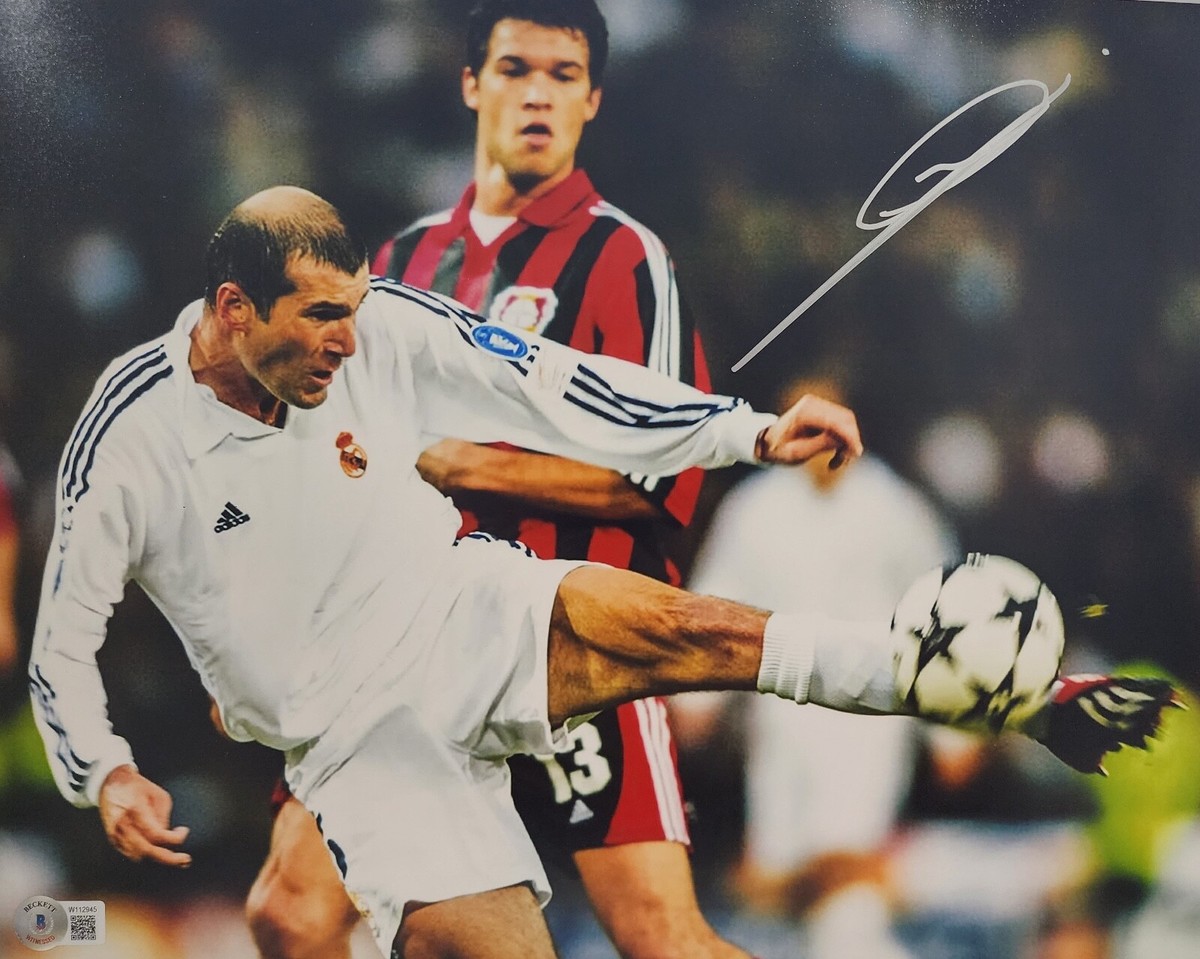
Mesut Özil is a German former professional footballer who played as an attacking midfielder. Known for his ball control, technical skills, creativity, passing skills, and vision, he is widely regarded as one of the best midfielders of his generation. Born and raised in Gelsenkirchen, Özil began his senior club career playing for hometown club Schalke 04, before signing with Werder Bremen in 2008, aged 19.
“A left-footed chance creator whose weight of pass and scanning made assists look effortless.”
Nicknamed 'El Jefecito' (the little chief), Mascherano converted from a combative box-to-box midfielder into one of the finest defensive midfielders of his generation.
“A fiercely competitive ball-winner whose tackling and reading of the game let him marshal both midfield and defence.”
Head-to-head stats
Career goals by season
Representative career seasons — goals per season for each player across their documented clubs.
Attribute radar
Attribute ratings are peak-era, 0–100. Different positions naturally skew the profile.
Attribute comparison
Trophy breakdown
- 1× FIFA World Cup (2014)
- 2× UEFA Champions League (2011, 2015)
- 4× La Liga (2013, 2015, 2016, 2018)
- 4× Copa del Rey (2012, 2015, 2016, 2017)
Trophy distribution
Career milestones
- 2004 Established himself at Schalke
- 2008 Reached his defining peak
- 2012 Delivered a landmark season
- 2023 Retired from professional football
- 2003 Professional debut for River Plate
- 2011 Won UEFA Champions League with Barcelona
- 2012 Won Copa del Rey with Barcelona
- 2015 Reached the peak of his powers at Barcelona
- 2020 Retired after a final spell at Estudiantes
- Finished his career with 15 goals in 700 appearances and 10 major honours. Finished his career with 15 goals in 700 appearances and 10 major honours.
The verdict
Reasonable people will disagree, but Mesut Özil wins out by a clear margin on the weight of a sharper goalscoring record.
Mesut Özil edges it (a clear margin)