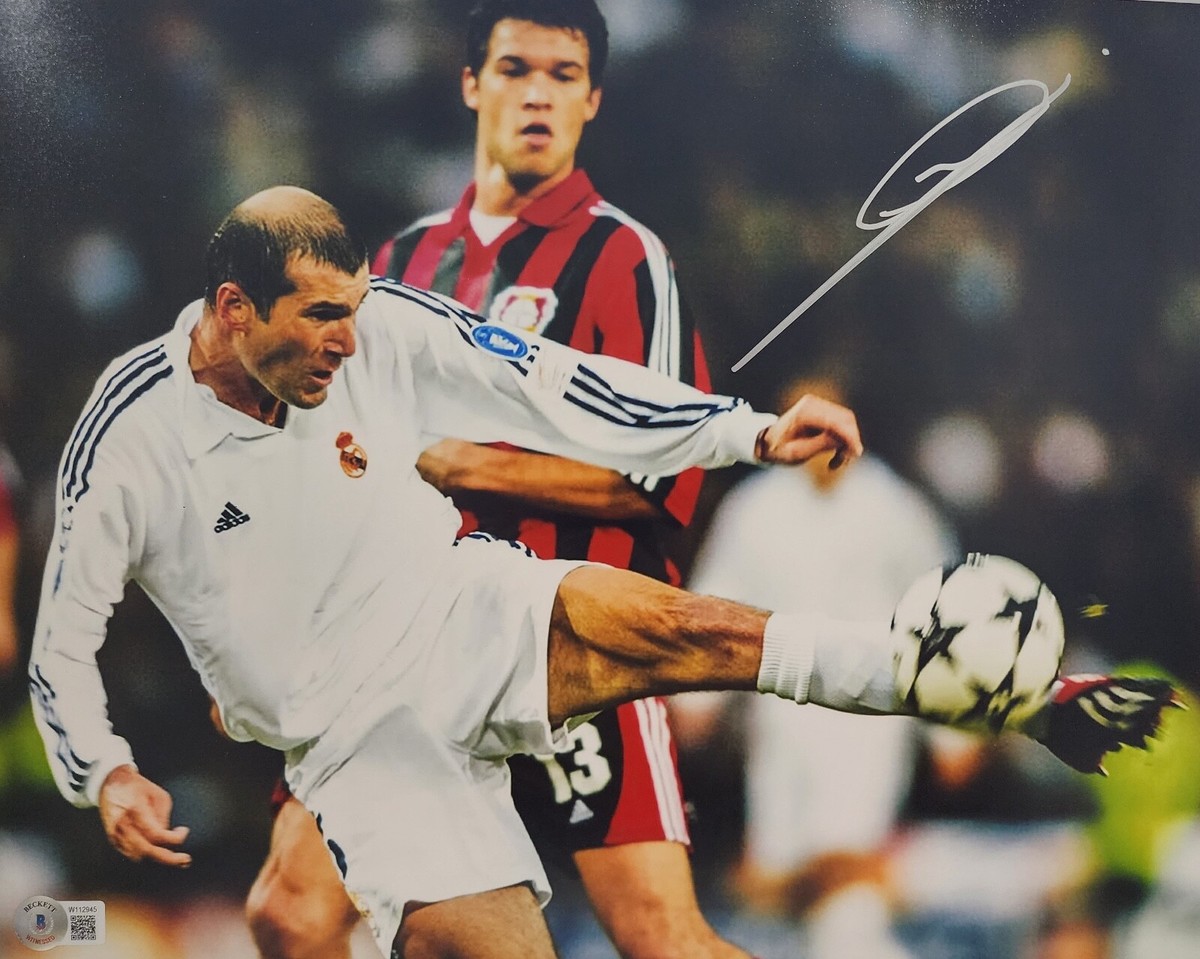
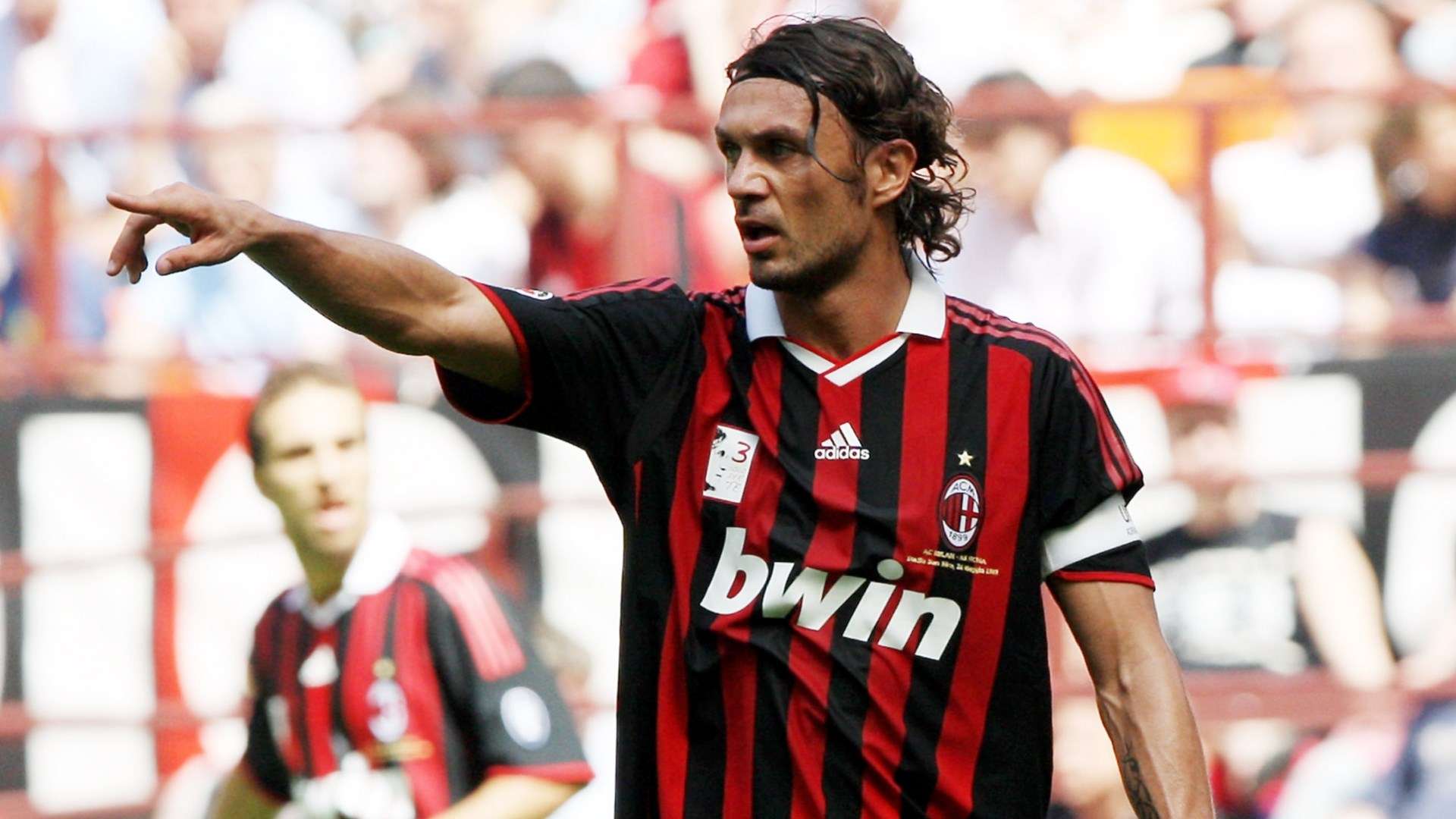
Daniel Passarella vs Elías Figueroa: Stats Compared
Centre-Back, Argentina (born 1953, retired 1989) · Centre-Back, Chile (born 1946, retired 1982)
Set Daniel Passarella alongside Elías Figueroa and the numbers start an argument of their own. Era matters in any comparison, and these two peaked under very different footballing conditions. Career output puts Daniel Passarella at 175 goals in 600 games, with Elías Figueroa at 40 in 600. Reliable assist tallies simply do not exist for large stretches of their careers, leaving creativity to the eye rather than the spreadsheet. In major honours Daniel Passarella collected 6 — headlined by 1× FIFA World Cup (1978) — whereas Elías Figueroa amassed 5, led by 2× Uruguayan Primera División (1967, 1968). Daniel Passarella belonged to the 1970s, dominating with a resolute quality; Elías Figueroa rose in the 1970s with a resolute edge. The wider career context matters too: Daniel Passarella peaked around 1978 after representing River Plate, Fiorentina, Inter Milan, River Plate, while Elías Figueroa's defining level came around 1974 across Santiago Wanderers, Peñarol, Internacional, Palestino, Fort Lauderdale Strikers. Rank them how you like — both names are carved into the sport's permanent record.
171 words · comparison angle: era
Player profiles
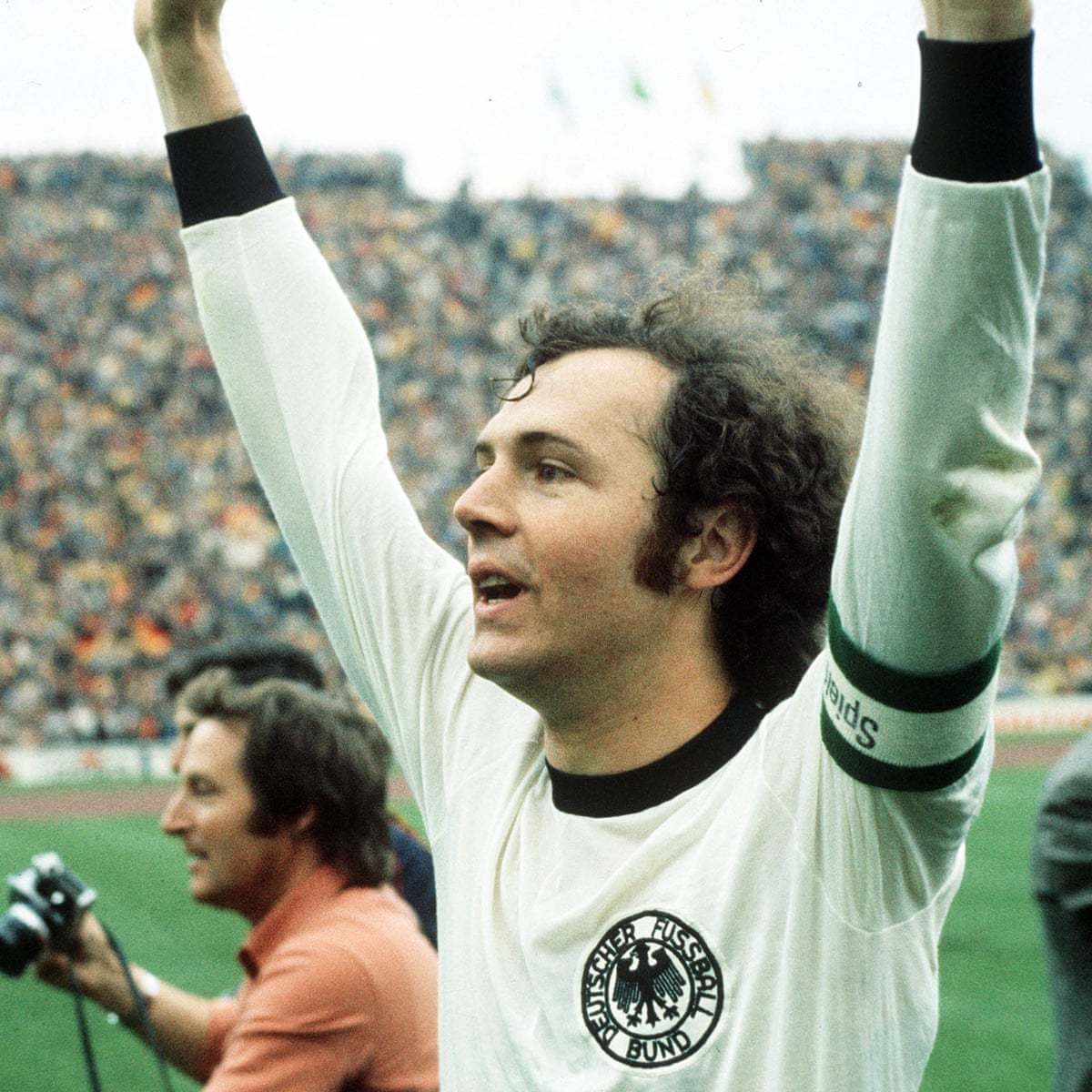
Argentina's World Cup-winning captain in 1978, Passarella was a rare goal-scoring sweeper renowned for thunderous free-kicks and fierce leadership.
“An aggressive, commanding sweeper who attacked set pieces and struck the ball with unusual power for a defender.”
A three-time South American Footballer of the Year, Figueroa is widely considered the finest defender the continent has produced, marshalling Internacional's dominant 1970s side.
“An imperious, elegant centre-back who combined aerial dominance with composed distribution well ahead of his era.”
Head-to-head stats
Career goals by season
Representative career seasons — goals per season for each player across their documented clubs.
Attribute radar
Attribute ratings are peak-era, 0–100. Different positions naturally skew the profile.
Attribute comparison
Trophy breakdown
- 1× FIFA World Cup (1978)
- 5× Argentine Primera División (1975, 1977, 1979, 1980, 1981)
- 2× Uruguayan Primera División (1967, 1968)
- 3× Campeonato Gaúcho (1973, 1974, 1975)
Trophy distribution
Career milestones
- 1974 Professional debut for River Plate
- 1978 Won FIFA World Cup with River Plate
- 1975 Won Argentine Primera División with River Plate
- 1978 Reached the peak of his powers at River Plate
- 1989 Retired after a final spell at River Plate
- Finished his career with 175 goals in 600 appearances and 6 major honours. Finished his career with 175 goals in 600 appearances and 6 major honours.
- 1965 Professional debut for Santiago Wanderers
- 1967 Won Uruguayan Primera División with Peñarol
- 1973 Won Campeonato Gaúcho with Internacional
- 1974 Reached the peak of his powers at Internacional
- 1982 Retired after a final spell at Fort Lauderdale Strikers
- Finished his career with 40 goals in 600 appearances and 5 major honours. Finished his career with 40 goals in 600 appearances and 5 major honours.
The verdict
If forced to pick, Daniel Passarella is the choice: a clear margin, with a sharper goalscoring record the deciding factor.
Daniel Passarella edges it (a clear margin)