Daniel Passarella vs Jorge Campos: Stats Compared
Centre-Back, Argentina (born 1953, retired 1989) · Goalkeeper, Mexico (born 1966, retired 2004)
The Daniel Passarella–Jorge Campos comparison is one of those fixtures of footballing folklore. Strip away the highlights and the medal count tells its own story for each man. Career output puts Daniel Passarella at 175 goals in 600 games, with Jorge Campos at 40 in 686. Reliable assist tallies simply do not exist for large stretches of their careers, leaving creativity to the eye rather than the spreadsheet. In major honours Daniel Passarella collected 6 — headlined by 1× FIFA World Cup (1978) — whereas Jorge Campos amassed 8, led by 1× Mexican Primera División. Daniel Passarella built his medal haul through years of rugged consistency, while Jorge Campos won his with sweeper-keen bursts of brilliance. Club journeys add another layer, with Daniel Passarella reaching his representative peak around 1978 across River Plate, Fiorentina, Inter Milan, River Plate and Jorge Campos doing so around 1991 with Pumas UNAM, Atlante, Cruz Azul. Rank them how you like — both names are carved into the sport's permanent record.
166 words · comparison angle: trophies
Player profiles
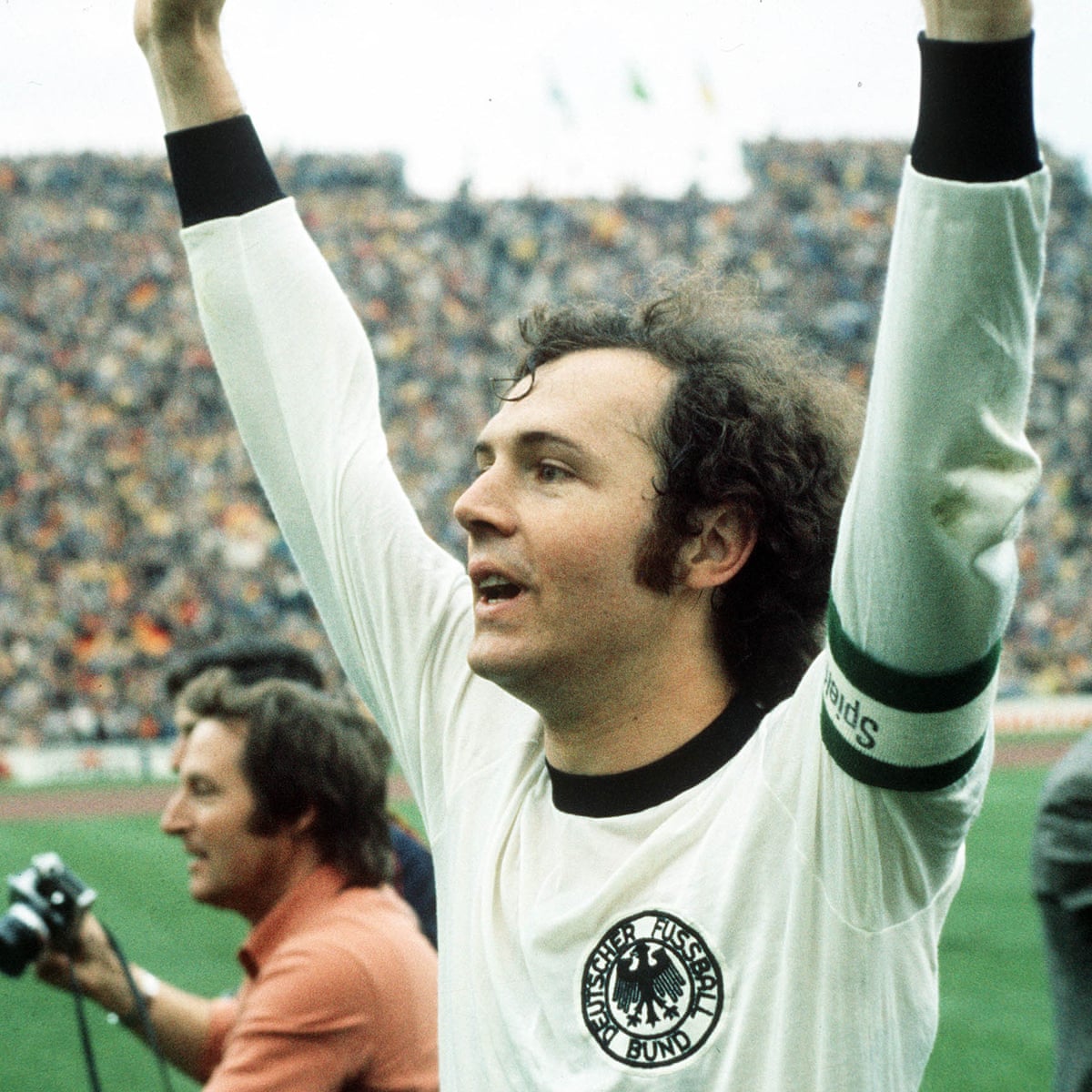
Argentina's World Cup-winning captain in 1978, Passarella was a rare goal-scoring sweeper renowned for thunderous free-kicks and fierce leadership.
“An aggressive, commanding sweeper who attacked set pieces and struck the ball with unusual power for a defender.”
Jorge Campos Navarrete (born 15 October 1966) is a Mexican professional football coach and player who plays as a goalkeeper for Tercera Federación – Group 7 club México FC. A notable player of Mexico in the 1990s and early 2000s, Campos was an eccentric player, known for his constant play outside the penalty area – often functioning as a sweeper-keeper, as well as his acrobatic, risky, and flamboyant style of goalkeeping, and his colourful playing attire. His main strengths as a goalkeeper were his leaping ability, athleticism, and speed when rushing off his line, as well as his ability to organize his defense, which enabled him to overcome his short stature.
“A fearless, undersized goalkeeper who compensated with spring, bravery and unusual footwork.”
Head-to-head stats
Career goals by season
Representative career seasons — goals per season for each player across their documented clubs.
Attribute radar
Attribute ratings are peak-era, 0–100. Different positions naturally skew the profile.
Attribute comparison
Trophy breakdown
- 1× FIFA World Cup (1978)
- 5× Argentine Primera División (1975, 1977, 1979, 1980, 1981)
- 1× Mexican Primera División
Trophy distribution
Career milestones
- 1974 Professional debut for River Plate
- 1978 Won FIFA World Cup with River Plate
- 1975 Won Argentine Primera División with River Plate
- 1978 Reached the peak of his powers at River Plate
- 1989 Retired after a final spell at River Plate
- Finished his career with 175 goals in 600 appearances and 6 major honours. Finished his career with 175 goals in 600 appearances and 6 major honours.
- 1983 Established himself at Pumas UNAM
- 1987 Reached his defining peak
- 1991 Delivered a landmark season
- 2004 Retired from professional football
The verdict
The numbers give Daniel Passarella the lead — a narrow margin, courtesy of a sharper goalscoring record.
Daniel Passarella edges it (a narrow margin)