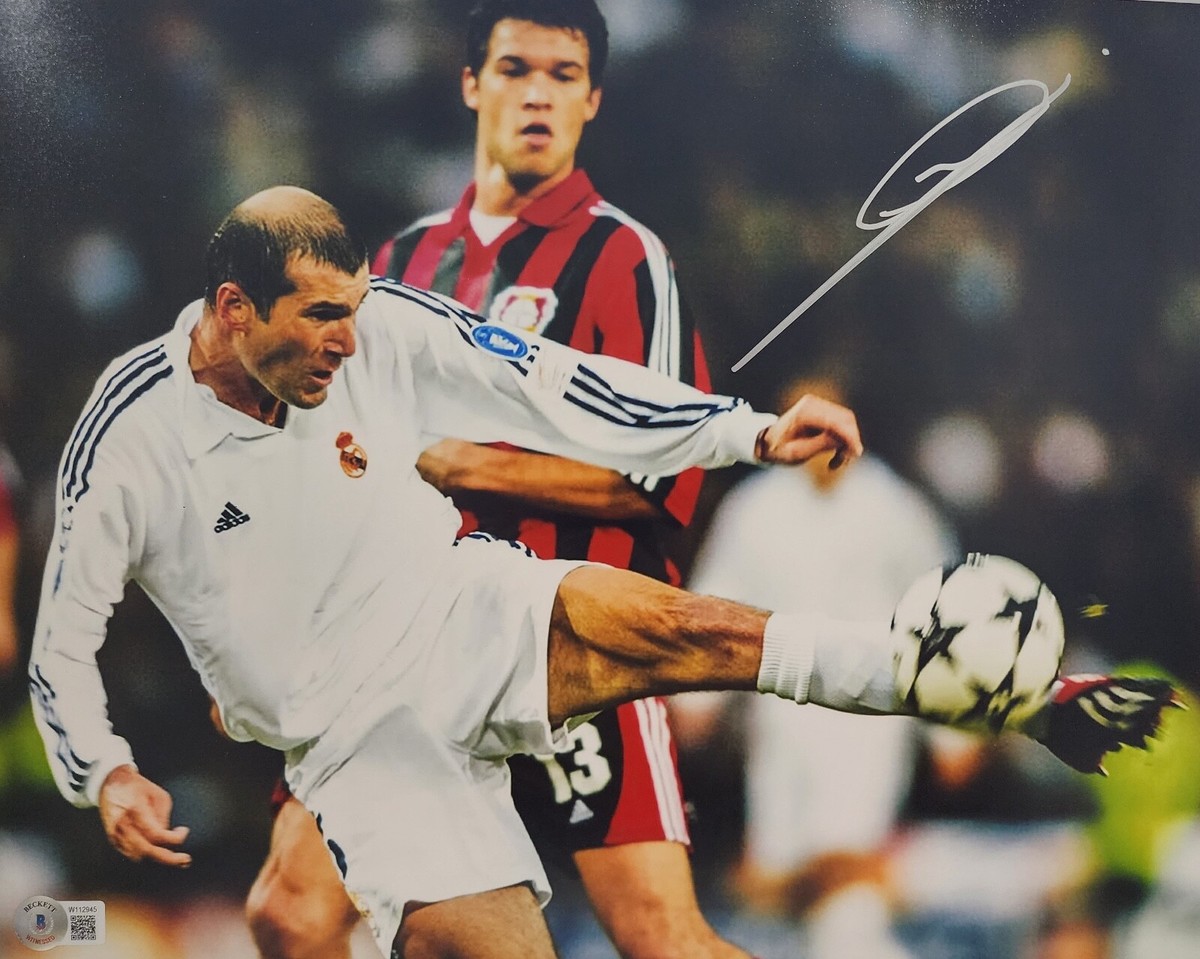
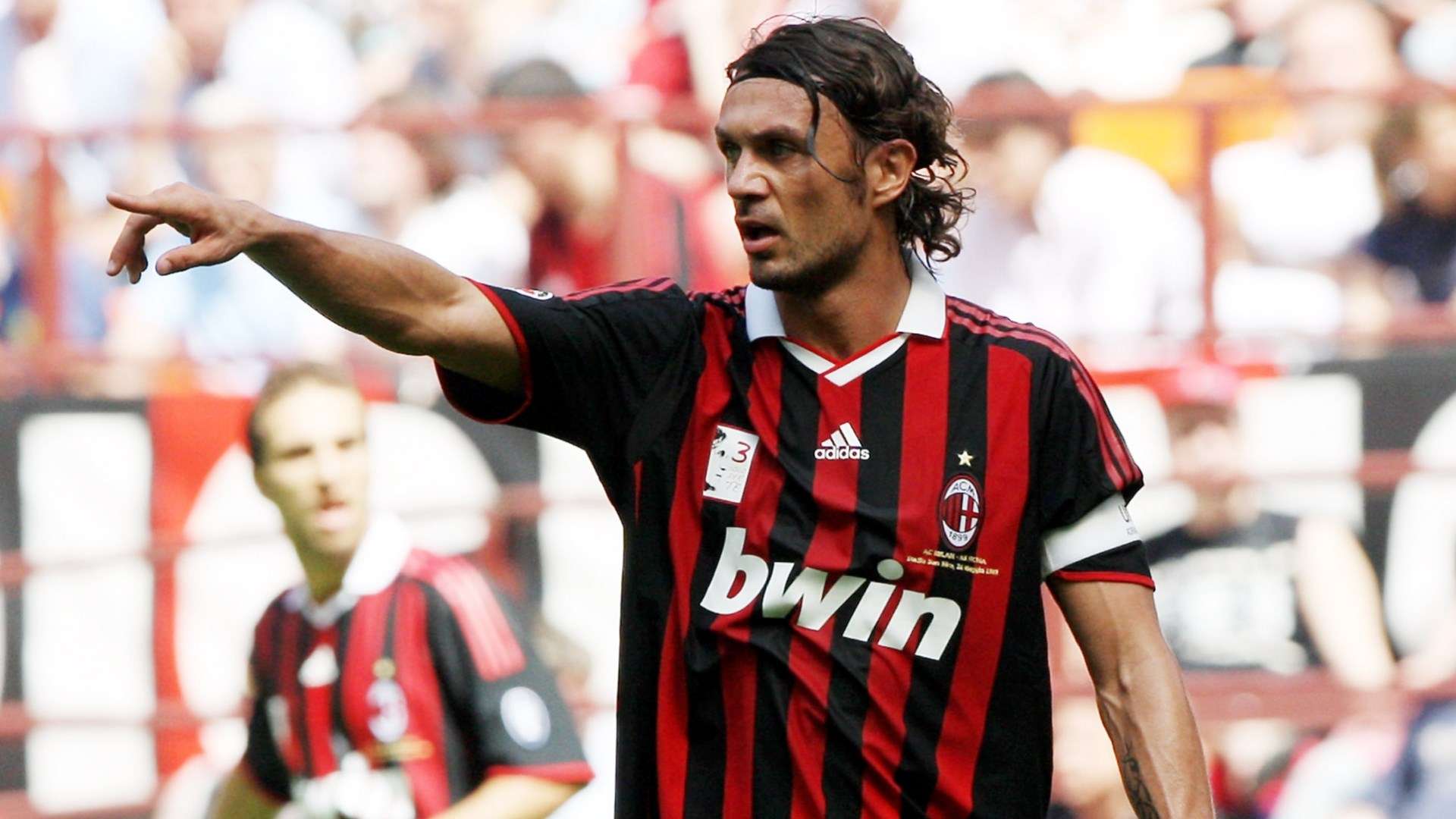
Daniel Passarella vs Rudi Völler: Stats Compared
Centre-Back, Argentina (born 1953, retired 1989) · Striker, Germany (born 1960, retired 1996)
Set Daniel Passarella alongside Rudi Völler and the numbers start an argument of their own. They occupied different roles, which makes a like-for-like verdict a careful exercise. Daniel Passarella finishes with 175 career goals from 600 games — a 0.29 strike rate — against Rudi Völler's 220 from 480 at 0.46 per match. Assists were never formally recorded across most of their eras, so the playmaking dimension has to be judged on reputation and highlights rather than hard totals. In major honours Daniel Passarella collected 6 — headlined by 1× FIFA World Cup (1978) — whereas Rudi Völler amassed 3, led by 1× FIFA World Cup (1990). The centre-back duties of Daniel Passarella leaned uncompromising; the striker responsibilities of Rudi Völler leaned explosive. Club journeys add another layer, with Daniel Passarella reaching his representative peak around 1978 across River Plate, Fiorentina, Inter Milan, River Plate and Rudi Völler doing so around 1990 with Kickers Offenbach, Werder Bremen, Roma, Marseille, Bayer Leverkusen. Rank them how you like — both names are carved into the sport's permanent record.
176 words · comparison angle: role
Player profiles
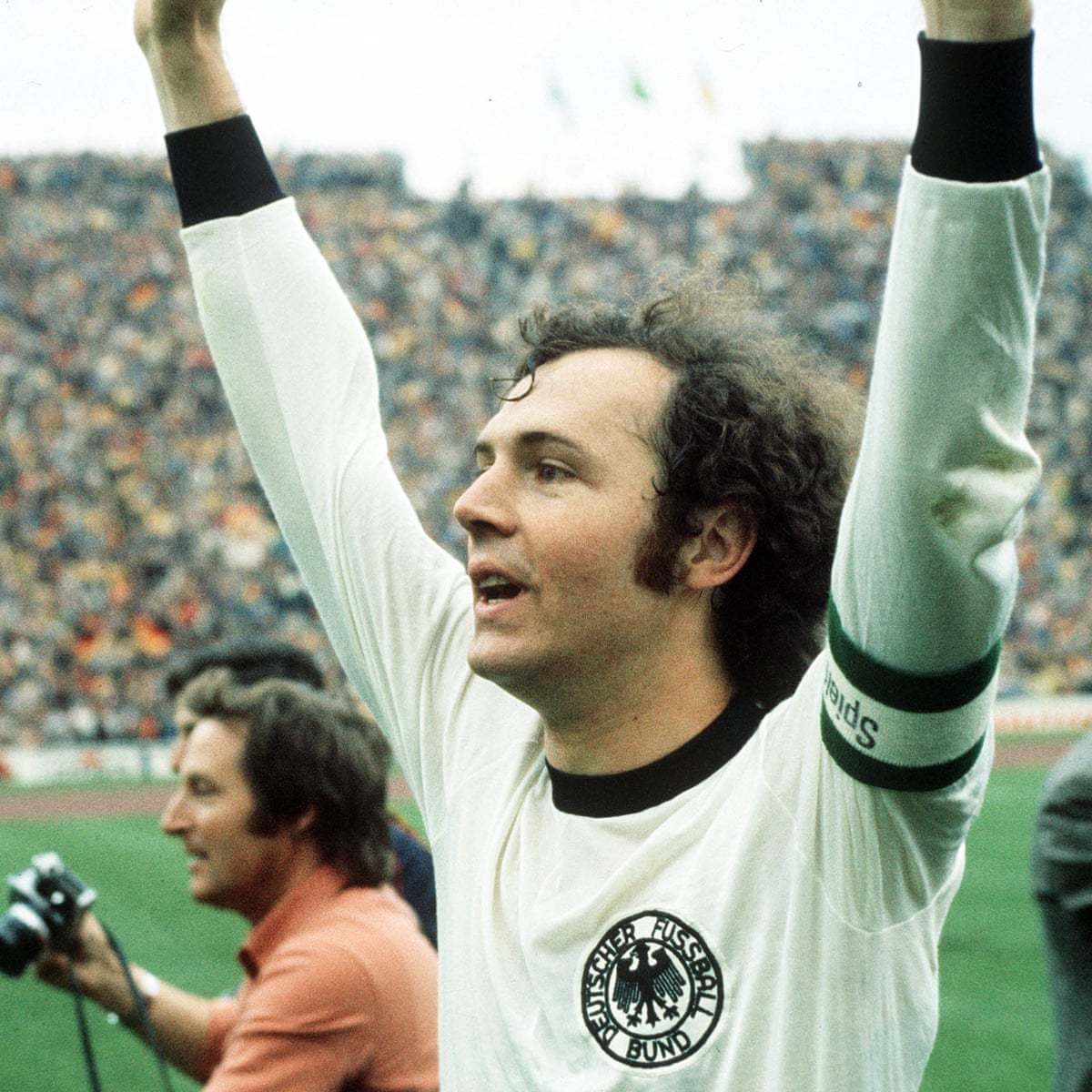
Argentina's World Cup-winning captain in 1978, Passarella was a rare goal-scoring sweeper renowned for thunderous free-kicks and fierce leadership.
“An aggressive, commanding sweeper who attacked set pieces and struck the ball with unusual power for a defender.”
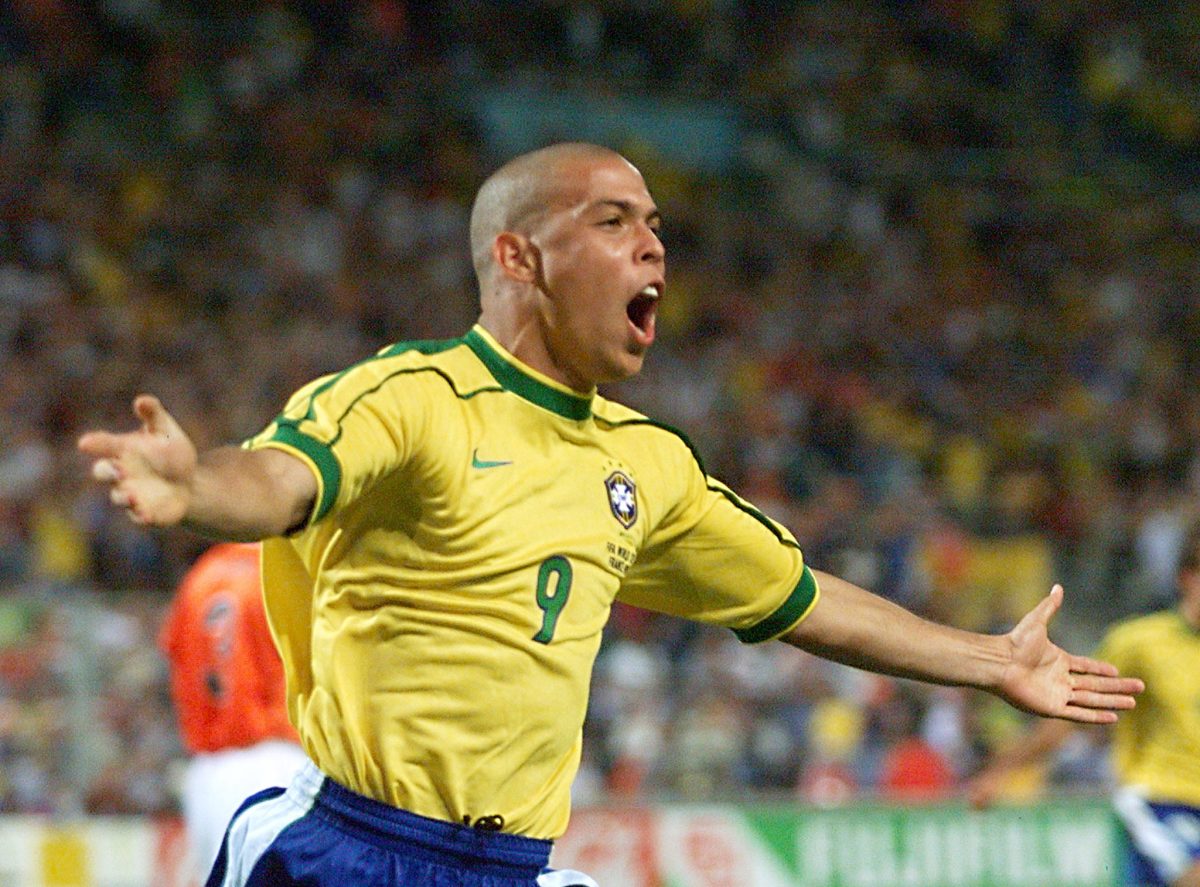
A stylish, quick German striker best remembered for his acrobatic assist to Andreas Brehme's decisive touch and clinical finishing that fired West Germany to the 1990 World Cup.
“A mobile, technically gifted striker with a flair for delicate flicks and precise, first-time finishing.”
Head-to-head stats
Career goals by season
Representative career seasons — goals per season for each player across their documented clubs.
Attribute radar
Attribute ratings are peak-era, 0–100. Different positions naturally skew the profile.
Attribute comparison
Trophy breakdown
- 1× FIFA World Cup (1978)
- 5× Argentine Primera División (1975, 1977, 1979, 1980, 1981)
- 1× FIFA World Cup (1990)
- 1× Coppa Italia (1991)
- 1× Ligue 1 (1993)
Trophy distribution
Career milestones
- 1974 Professional debut for River Plate
- 1978 Won FIFA World Cup with River Plate
- 1975 Won Argentine Primera División with River Plate
- 1978 Reached the peak of his powers at River Plate
- 1989 Retired after a final spell at River Plate
- Finished his career with 175 goals in 600 appearances and 6 major honours. Finished his career with 175 goals in 600 appearances and 6 major honours.
- 1977 Professional debut for Kickers Offenbach
- 1990 Won FIFA World Cup with Roma
- 1993 Won Ligue 1 with Marseille
- 1990 Reached the peak of his powers at Roma
- 1996 Retired after a final spell at Bayer Leverkusen
- Finished his career with 220 goals in 480 appearances and 3 major honours. Finished his career with 220 goals in 480 appearances and 3 major honours.
The verdict
Reasonable people will disagree, but Daniel Passarella wins out by a clear margin on the weight of a weightier trophy cabinet.
Daniel Passarella edges it (a clear margin)