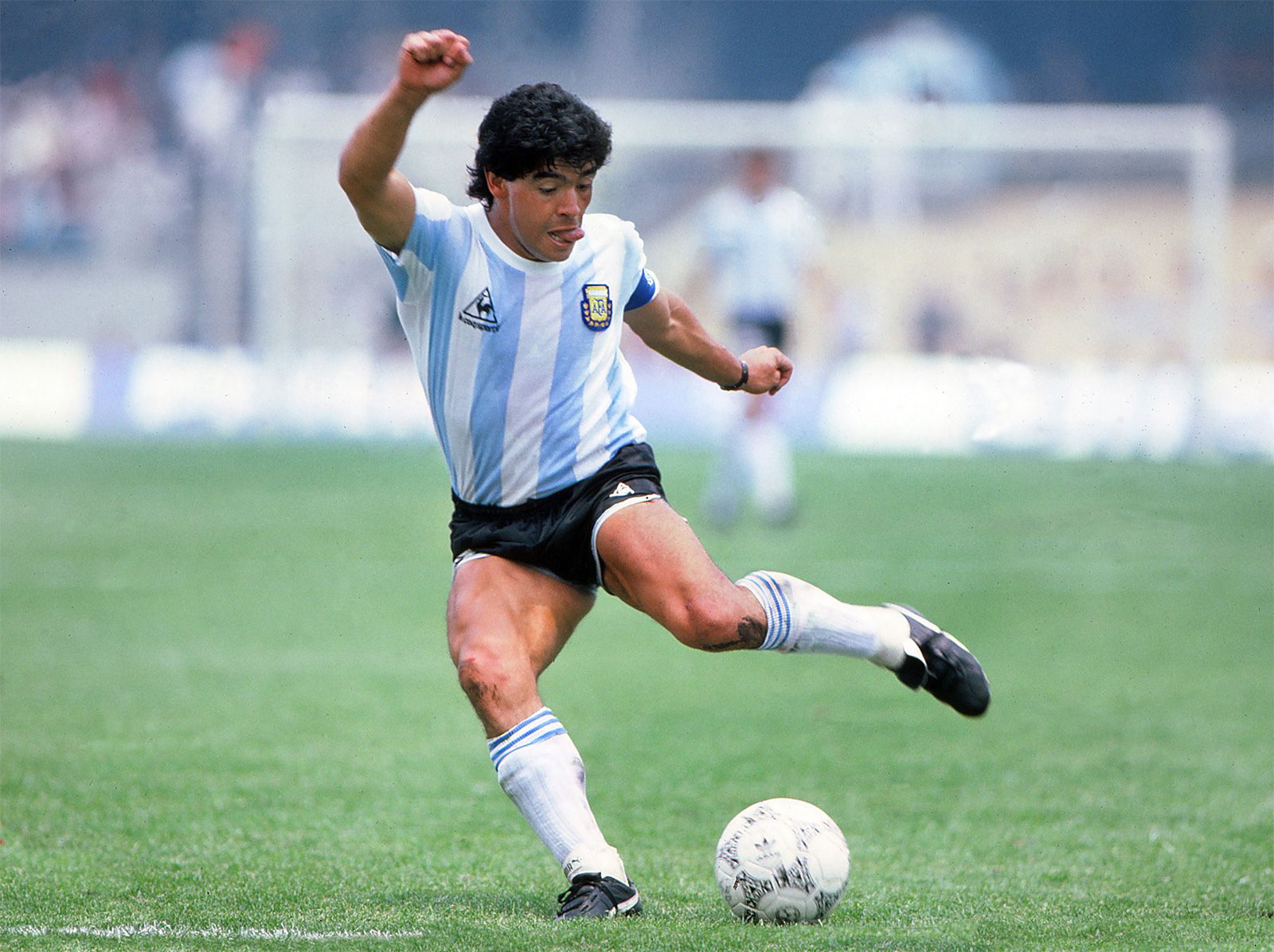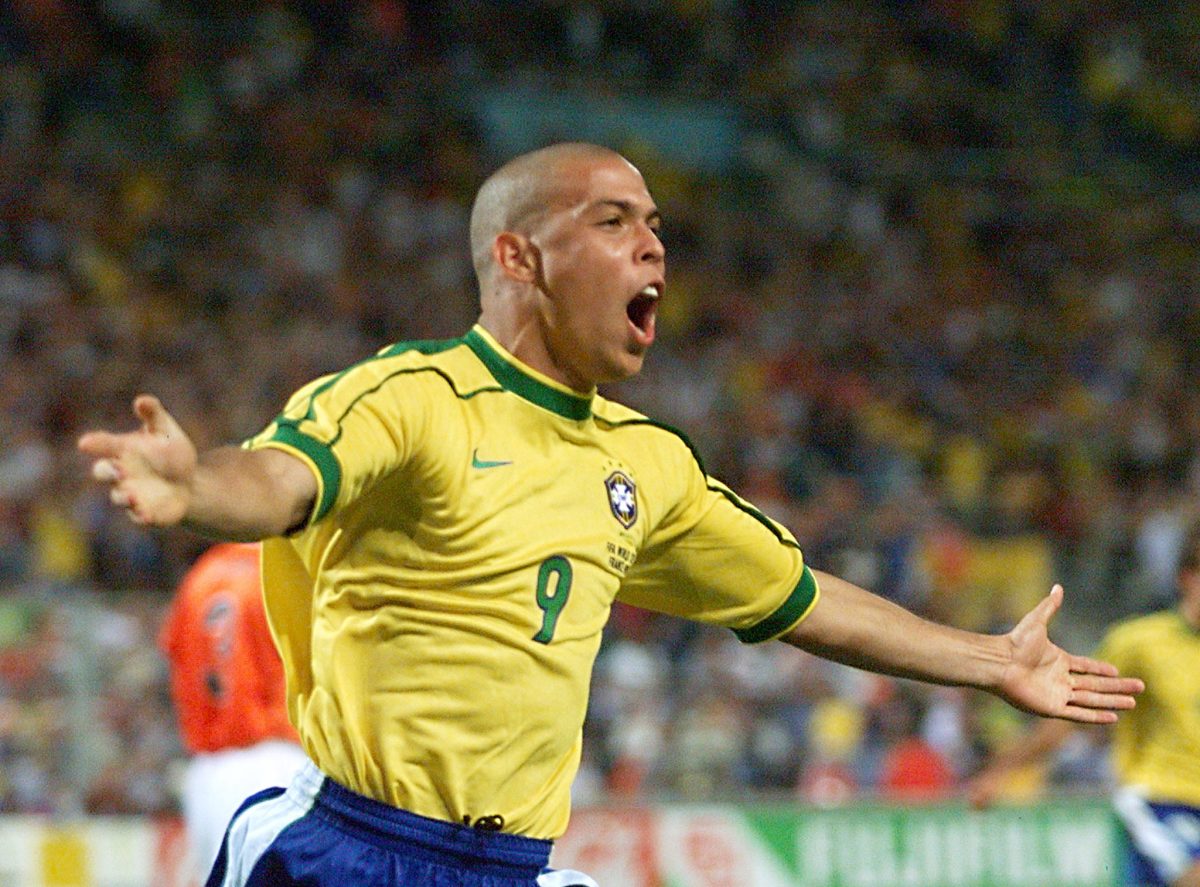

Pelé vs Romário: Stats Compared
Forward, Brazil (born 1940, retired 1977) · Striker, Brazil (born 1966, retired 2009)
Pelé versus Romário is a clash of two unmistakable footballing identities. Trophies, more than goals, are how most supporters ultimately remember a career. Across his senior career Pelé notched 757 goals in 812 appearances (0.93 per game), while Romário recorded 753 in 994 (0.76 per game). Assists were never formally recorded across most of their eras, so the playmaking dimension has to be judged on reputation and highlights rather than hard totals. Trophy counts give Pelé 14 and Romário 9, with 3× FIFA World Cup (1958, 1962, 1970) and 1× FIFA World Cup (1994) the standout honours respectively. One lifted trophies through explosive reliability, the other through clinical moments that decided finals. Their routes to the top were distinct: Pelé built his reputation across Santos, New York Cosmos, peaking around 1970, while Romário reached his defining level around 1994 after spells with PSV Eindhoven, Barcelona, Vasco da Gama. Picking between them says as much about the picker as the players.
160 words · comparison angle: trophies
Player profiles
Widely regarded as the greatest footballer of all time, Pelé is the only player to win three FIFA World Cups. FIFA recognises 757 official senior career goals (1,281 including friendlies).
“A two-footed, athletic forward who combined explosive pace, aerial ability and extraordinary vision.”
Romário de Souza Faria (born 29 January 1966), known simply as Romário, is a Brazilian politician and former professional footballer. A prolific striker renowned for clinical finishing, he is considered one of the greatest players of all time. He scored more than 700 goals for club and country and became one of only five players to score 100 goals for three different clubs.
“A compact poacher whose first touch and near-post movement were relentlessly efficient.”
Head-to-head stats
Career goals by season
Representative career seasons — goals per season for each player across their documented clubs.
Attribute radar
Attribute ratings are peak-era, 0–100. Different positions naturally skew the profile.
Attribute comparison
Trophy breakdown
- 3× FIFA World Cup (1958, 1962, 1970)
- 2× Copa Libertadores (1962, 1963)
- 2× Intercontinental Cup (1962, 1963)
- 6× Campeonato Brasileiro Série A
- 1× NASL Soccer Bowl (1977)
- 1× FIFA World Cup (1994)
Trophy distribution
Career milestones
- 1956 Professional debut for Santos aged 15
- 1958 Became youngest World Cup goalscorer at 17
- 1959 Top scorer in the Campeonato Brasileiro
- 1962 Won second World Cup despite injury in the final
- 1969 Scored his 1,000th career goal
- 1975 Came out of semi-retirement to join New York Cosmos
- 1977 Honoured at Pelé Day halftime show at Giants Stadium
- 1986 Established himself at PSV Eindhoven
- 1990 Reached his defining peak
- 1994 Delivered a landmark season
- 2009 Retired from professional football
The verdict
If forced to pick, Pelé is the choice: a decisive margin, with a weightier trophy cabinet the deciding factor.
Pelé edges it (a decisive margin)