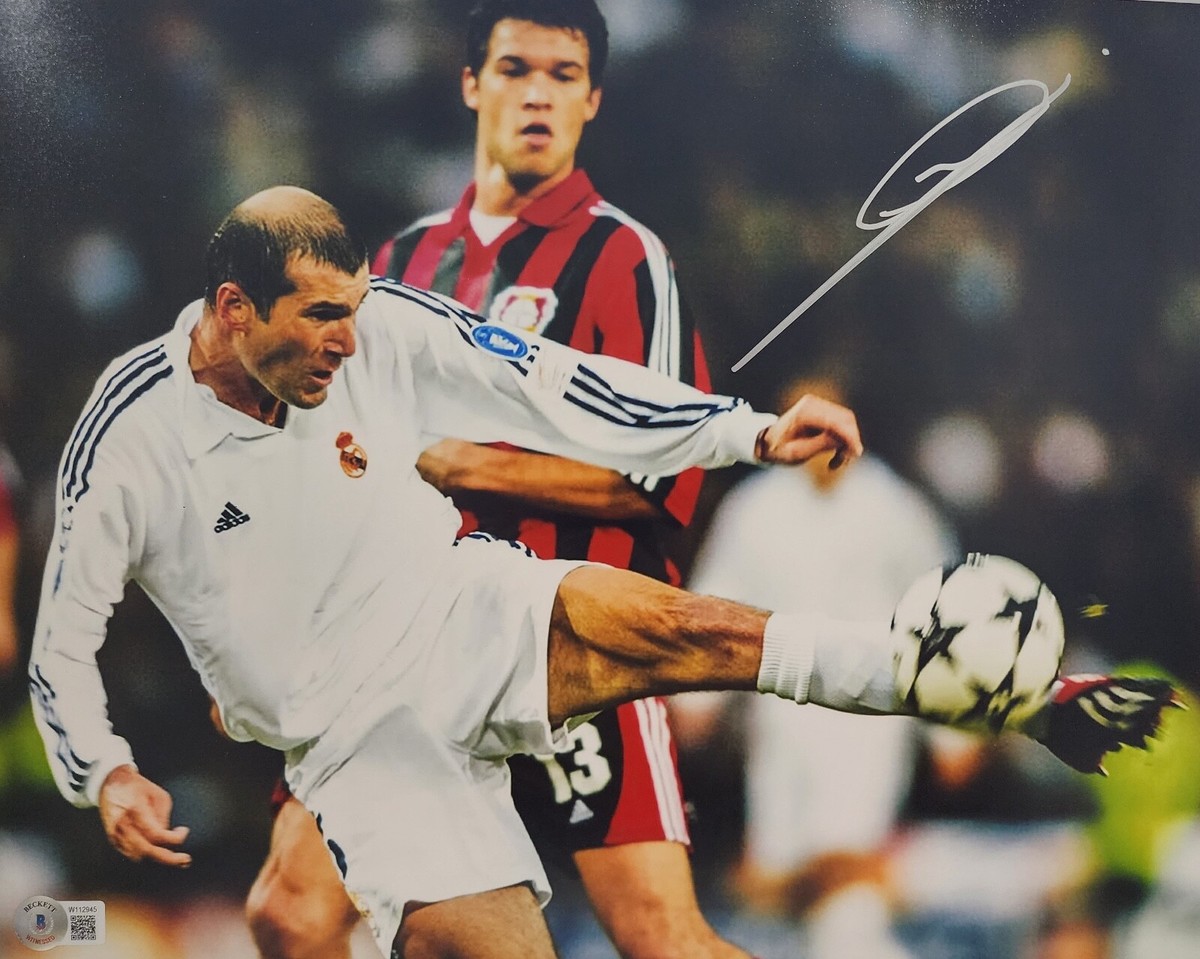
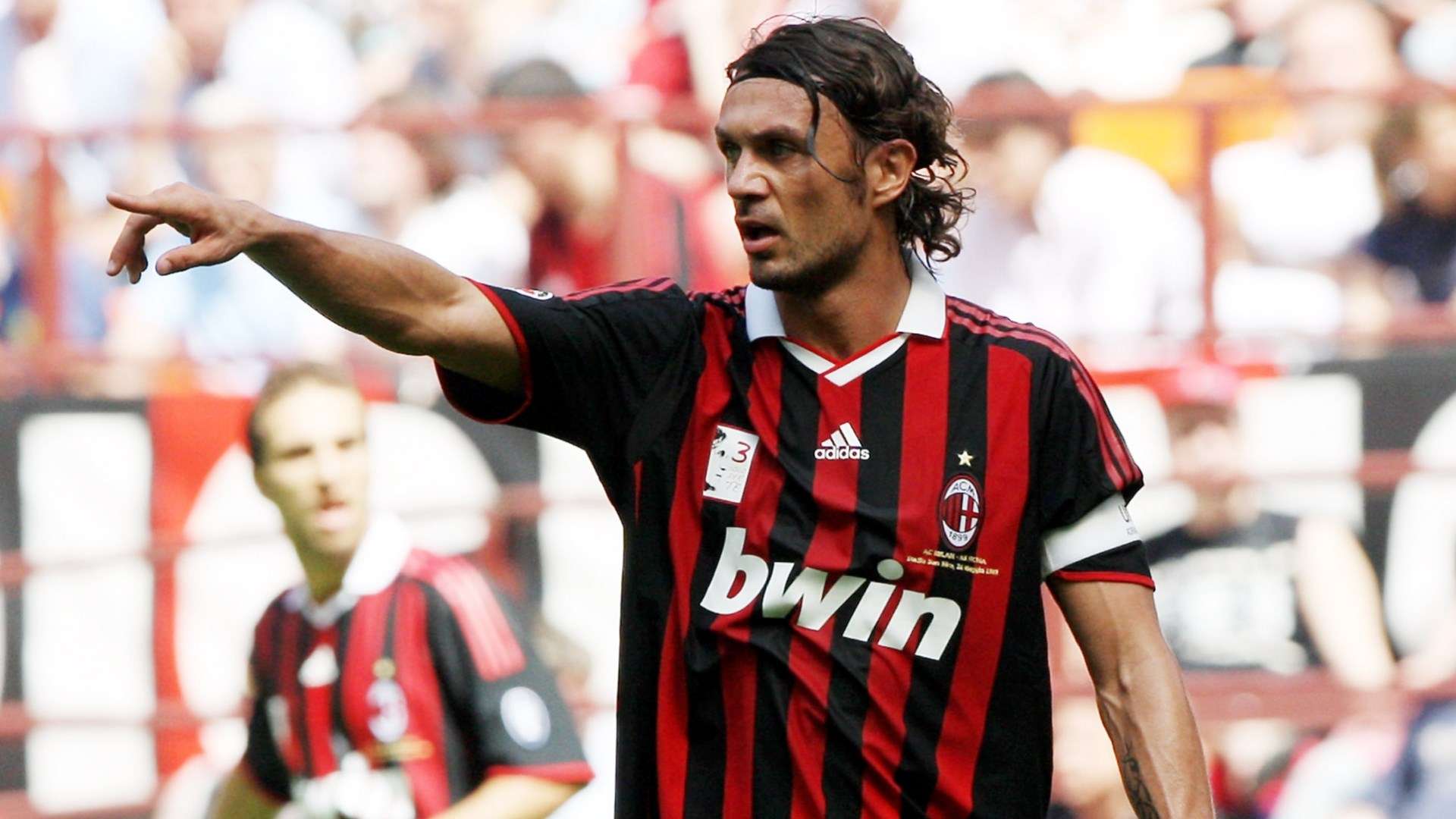
Roberto Carlos vs Luis Enrique: Stats Compared
Left-Back, Brazil (born 1973, retired 2015) · Attacking Midfielder, Spain (born 1970, retired 2004)
Put Roberto Carlos and Luis Enrique side by side and you have a genuine generational conversation. Trophies, more than goals, are how most supporters ultimately remember a career. Career output puts Roberto Carlos at 113 goals in 875 games, with Luis Enrique at 158 in 556. Assists were never formally recorded across most of their eras, so the playmaking dimension has to be judged on reputation and highlights rather than hard totals. In major honours Roberto Carlos collected 9 — headlined by 3× UEFA Champions League (1998, 2000, 2002) — whereas Luis Enrique amassed 8, led by 2× La Liga (1995, 1999). Roberto Carlos built his medal haul through years of elegant consistency, while Luis Enrique won his with creative bursts of brilliance. Club journeys add another layer, with Roberto Carlos reaching his representative peak around 2002 across Palmeiras, Inter Milan, Real Madrid, Fenerbahçe and Luis Enrique doing so around 1999 with Sporting Gijón, Real Madrid, Barcelona. The honest conclusion is that comparison enriches appreciation rather than crowns a single winner.
171 words · comparison angle: trophies
Player profiles
Roberto Carlos da Silva Rocha (born 10 April 1973), often known simply as Roberto Carlos, is a Brazilian former professional footballer. He has been described as one of the most attack-minded left-backs in football history and one of the greatest full-backs ever. He finished runner-up for the FIFA World Player of the Year in 1997 and for the Ballon d’Or in 2002.
“A rocket-footed full-back who combined recovery speed, overlapping runs and impossible free kicks.”
Luis Enrique Martínez García is a Spanish football manager and former player who is currently the head coach of Ligue 1 club Paris Saint-Germain. A versatile player with good technique, he was capable of playing in several positions but was usually deployed as a midfielder or forward, and was also noted for his temperament and stamina. Starting in 1991 and ending in 2004, he began his career at Sporting de Gijón and later represented both Real Madrid and Barcelona with both individual and team success, taking part in 558 official games and scoring 144 goals.
“A versatile, hard-running midfielder who arrived late and contributed everywhere.”
Head-to-head stats
Career goals by season
Representative career seasons — goals per season for each player across their documented clubs.
Attribute radar
Attribute ratings are peak-era, 0–100. Different positions naturally skew the profile.
Attribute comparison
Trophy breakdown
- 3× UEFA Champions League (1998, 2000, 2002)
- 2× La Liga (1995, 1999)
Trophy distribution
Career milestones
- 1994 Established himself at Palmeiras
- 1998 Reached his defining peak
- 2002 Delivered a landmark season
- 2015 Retired from professional football
- 1991 Established himself at Sporting Gijón
- 1995 Reached his defining peak
- 1999 Delivered a landmark season
- 2004 Retired from professional football
The verdict
If forced to pick, Roberto Carlos is the choice: a clear margin, with remarkable longevity the deciding factor.
Roberto Carlos edges it (a clear margin)