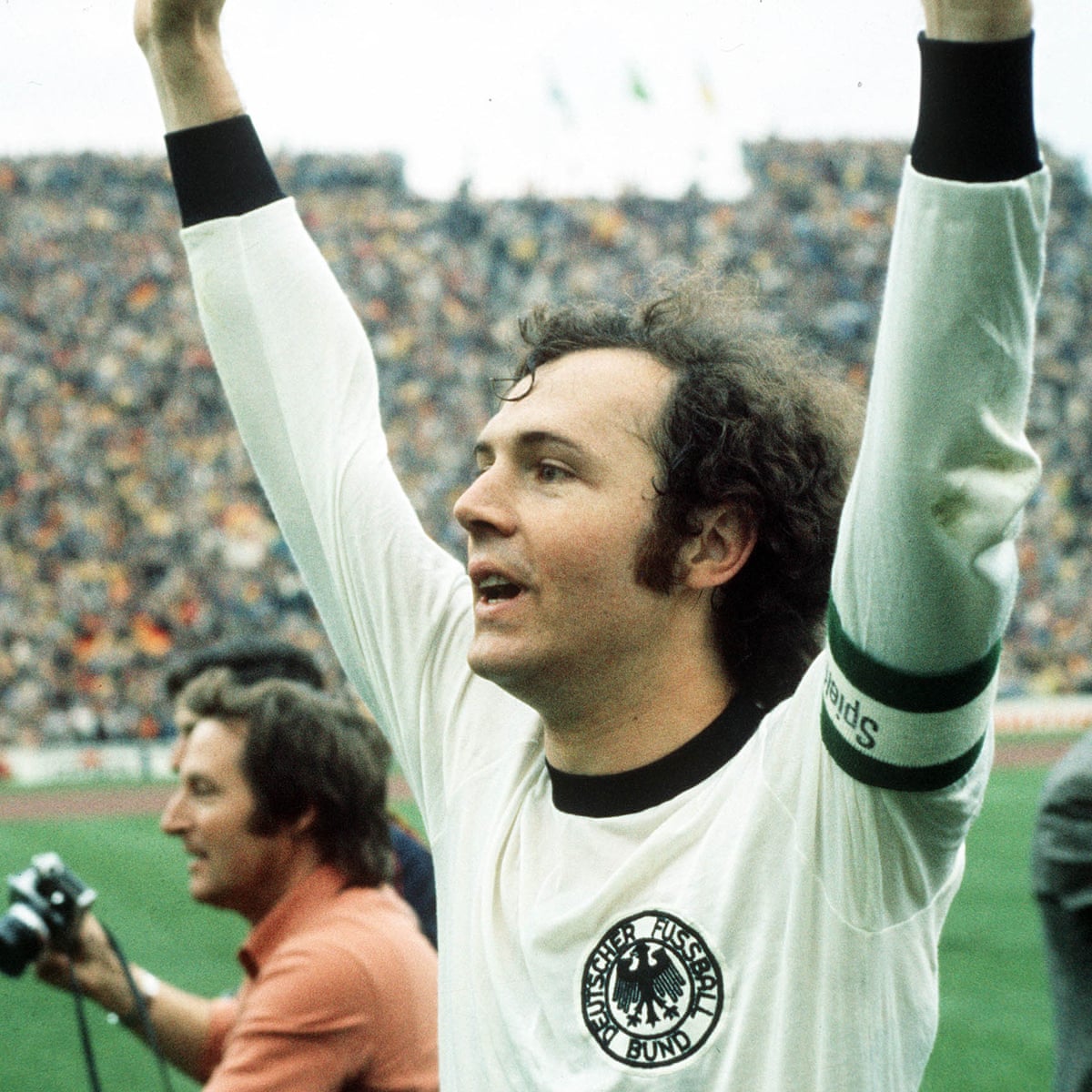
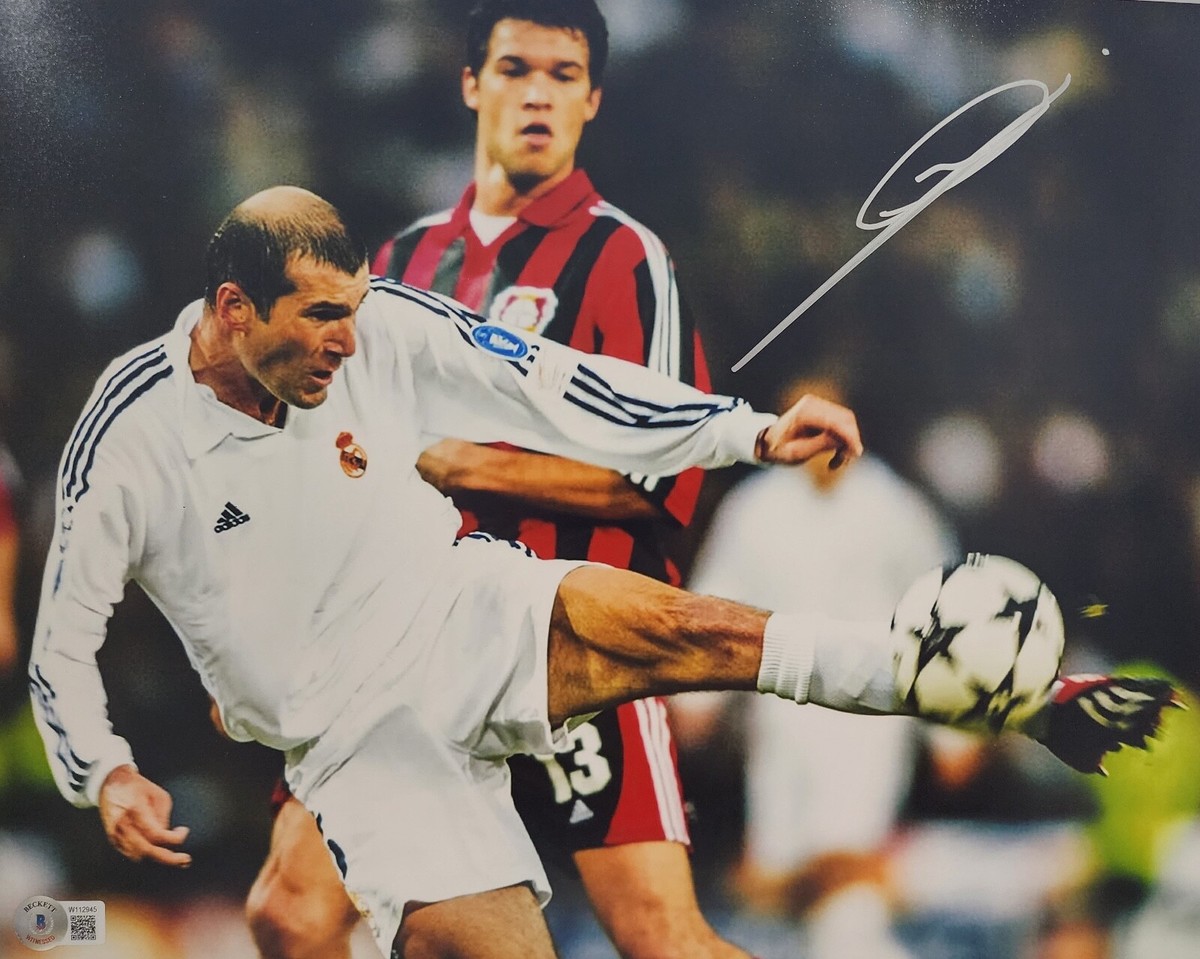
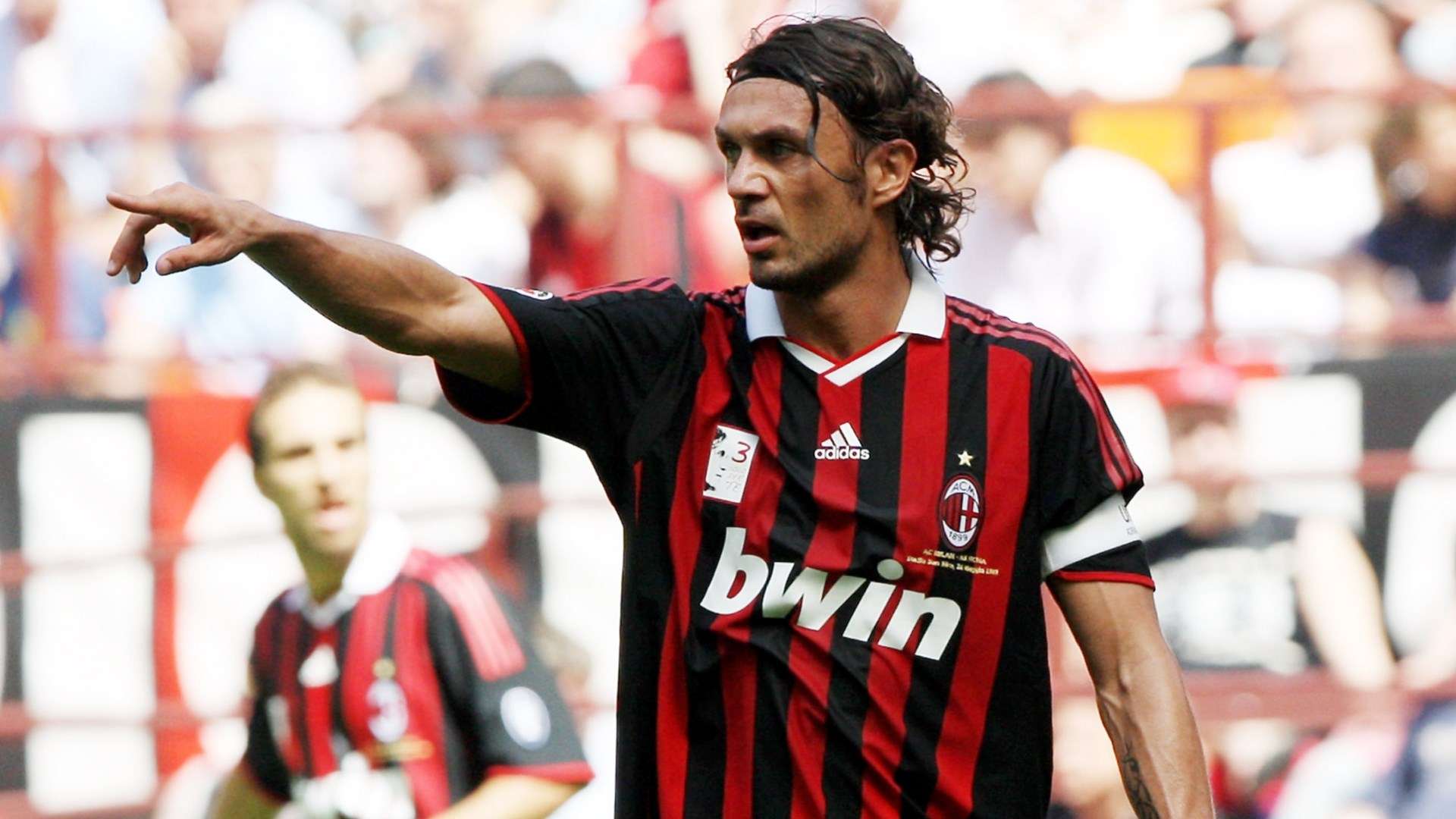
Roberto Carlos vs Alan Shearer: Stats Compared
Left-Back, Brazil (born 1973, retired 2015) · Striker, England (born 1970, retired 2006)
Comparing Roberto Carlos with Alan Shearer means weighing two very different kinds of greatness. Position shapes everything in football, and these two fulfilled very different briefs. Career output puts Roberto Carlos at 113 goals in 875 games, with Alan Shearer at 409 in 733. Because assists were not systematically tracked for much of their time, that side of the comparison rests on the footage that survives. The honours ledger favours Roberto Carlos with 9 major trophies (3× UEFA Champions League (1998, 2000, 2002)) against Alan Shearer's 9 (1× Premier League (1995)). As a left-back Roberto Carlos bent the role to a rugged template; as a striker, Alan Shearer redefined it with explosive authority. Context beyond the headline totals is important: Roberto Carlos's landmark level arrived around 2002 with a career spanning Palmeiras, Inter Milan, Real Madrid, Fenerbahçe; Alan Shearer's came around 1995 across Southampton, Blackburn Rovers, Newcastle United. Few pairings invite such entrenched disagreement, and fewer still deserve it this much.
161 words · comparison angle: role
Player profiles
Roberto Carlos da Silva Rocha (born 10 April 1973), often known simply as Roberto Carlos, is a Brazilian former professional footballer. He has been described as one of the most attack-minded left-backs in football history and one of the greatest full-backs ever. He finished runner-up for the FIFA World Player of the Year in 1997 and for the Ballon d’Or in 2002.
“A rocket-footed full-back who combined recovery speed, overlapping runs and impossible free kicks.”
Alan Shearer (born 13 August 1970) is an English football pundit and former professional player who played as a striker. Widely regarded as one of the greatest strikers of all time and one of the greatest players in Premier League history, he is the league's record goalscorer with 260 goals. He was named Football Writers' Association Player of the Year in 1994 and won the PFA Player of the Year award in 1995.
“A record-breaking number nine who combined brutal finishing with clever hold-up play.”
Head-to-head stats
Career goals by season
Representative career seasons — goals per season for each player across their documented clubs.
Attribute radar
Attribute ratings are peak-era, 0–100. Different positions naturally skew the profile.
Attribute comparison
Trophy breakdown
- 3× UEFA Champions League (1998, 2000, 2002)
- 1× Premier League (1995)
Trophy distribution
Career milestones
- 1994 Established himself at Palmeiras
- 1998 Reached his defining peak
- 2002 Delivered a landmark season
- 2015 Retired from professional football
- 1987 Established himself at Southampton
- 1991 Reached his defining peak
- 1995 Delivered a landmark season
- 2006 Retired from professional football
The verdict
Reasonable people will disagree, but Roberto Carlos wins out by a narrow margin on the weight of remarkable longevity.
Roberto Carlos edges it (a narrow margin)