Matthias Sammer vs Bixente Lizarazu: Stats Compared
Sweeper, Germany (born 1967, retired 1998) · Left-Back, France (born 1969, retired 2006)
When Matthias Sammer and Bixente Lizarazu are mentioned in the same breath, opinions rarely stay quiet. Greatness, in the end, is about who you inspired, and both left a footprint far beyond their own careers. On production alone, Matthias Sammer posted 70 goals across 400 appearances while Bixente Lizarazu managed 15 across 600. Modern assist data only covers part of their careers, so creativity is hard to compare cleanly — Matthias Sammer is listed at 0 and Bixente Lizarazu at 30 where figures survive. Matthias Sammer departs the game with 4 major pieces of silverware, including 1× UEFA European Championship (1996); Bixente Lizarazu with 7, including 1× FIFA World Cup (1998). History will file Matthias Sammer under resolute greatness and Bixente Lizarazu under uncompromising greatness — different shelves, same temple. Their routes to the top were distinct: Matthias Sammer built his reputation across Dynamo Dresden, VfB Stuttgart, Inter Milan, Borussia Dortmund, peaking around 1996, while Bixente Lizarazu reached his defining level around 2001 after spells with Bordeaux, Athletic Bilbao, Bayern Munich, Marseille. Whichever side you land on, both belong in any conversation about the finest of their generation.
188 words · comparison angle: legacy
Player profiles
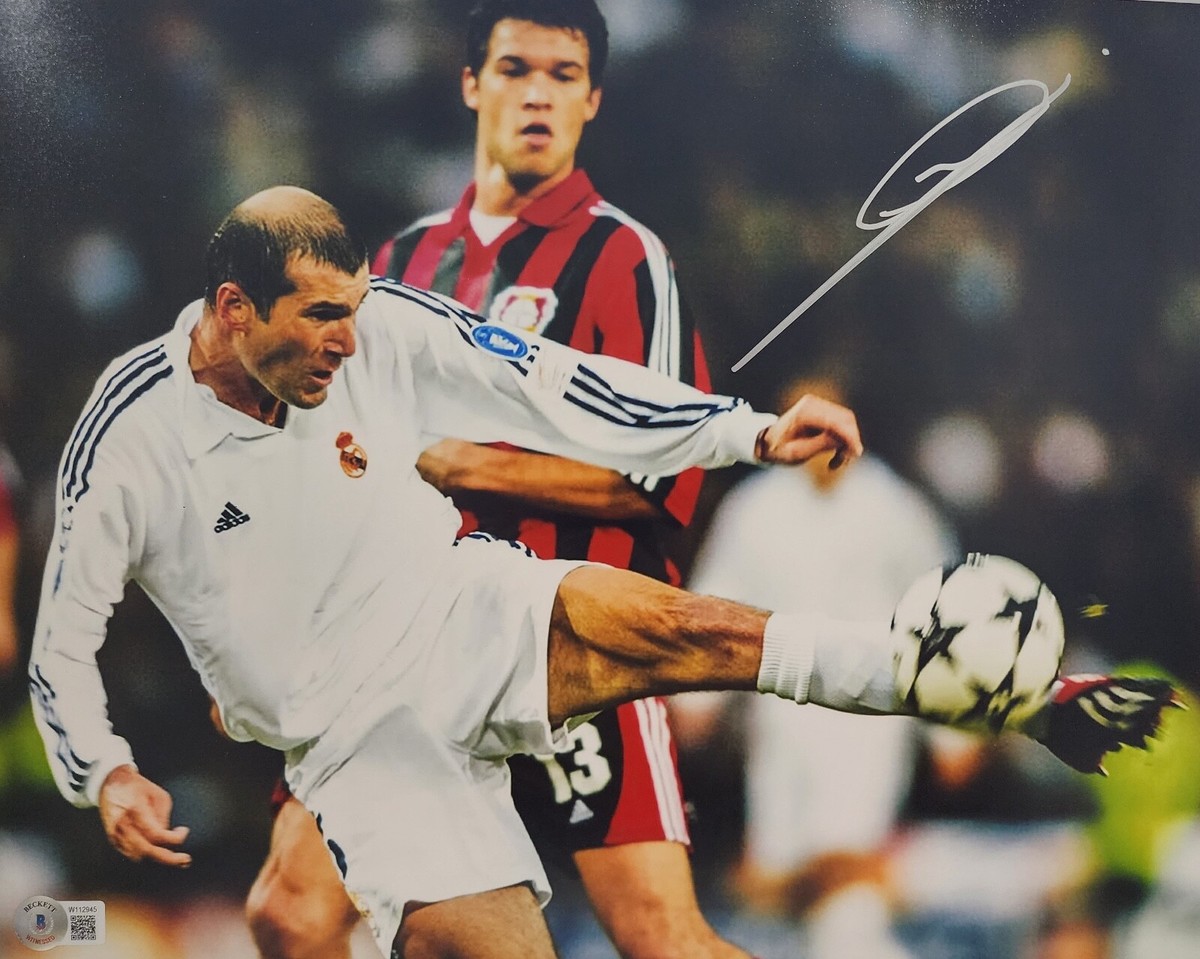
The 1996 Ballon d'Or winner, Sammer redefined the sweeper role with his surging runs from defence, spearheading Borussia Dortmund's Champions League triumph.
“A dynamic, attack-minded sweeper who won the ball high up the pitch before driving forward himself.”
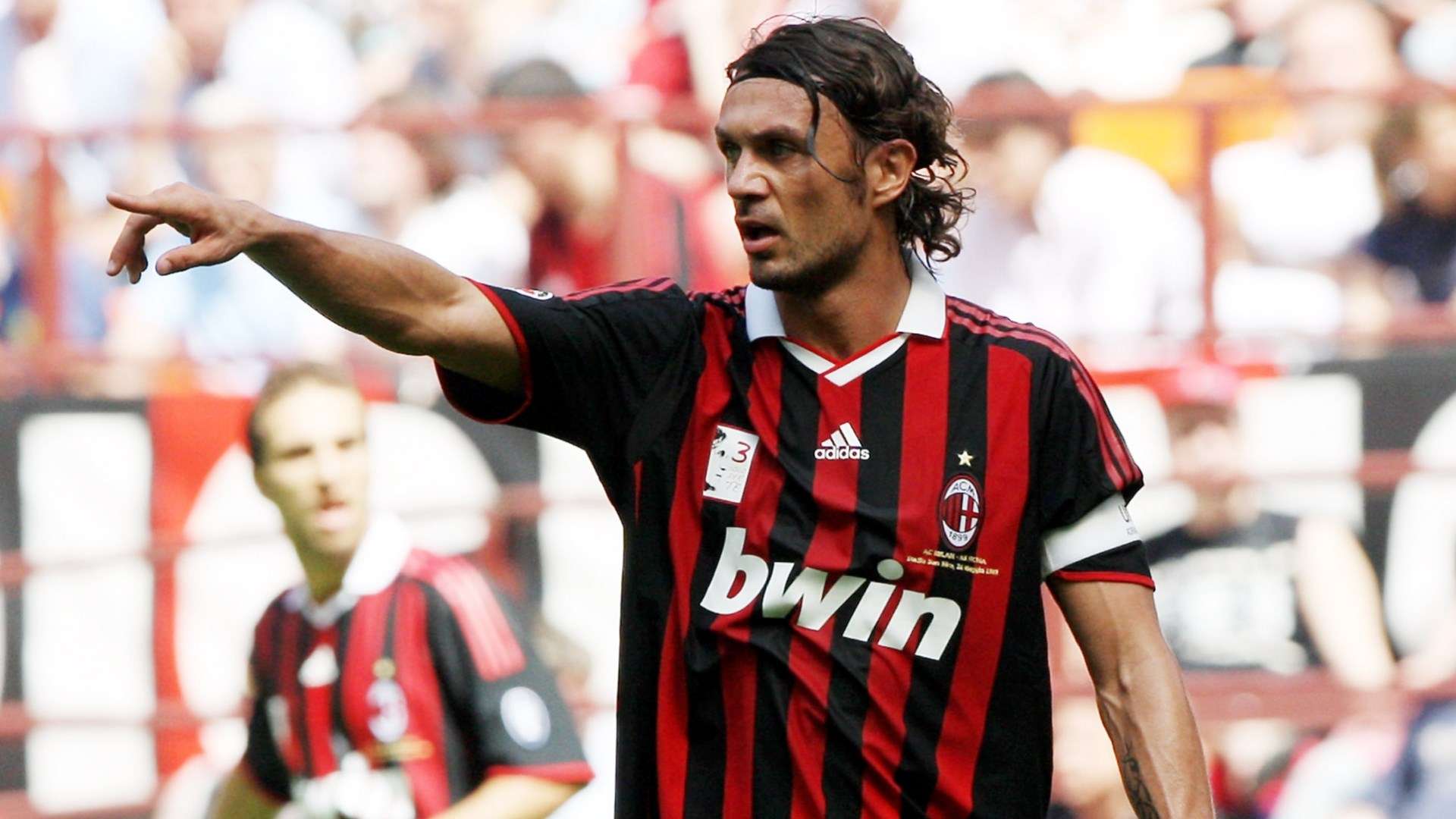
A world judo champion off the pitch, Lizarazu was one of the finest left-backs of his generation, winning the World Cup, European Championship and Champions League with Bayern Munich.
“A compact, combative full-back whose low centre of gravity and stamina let him bomb up and down the flank all match.”
Head-to-head stats
Career goals by season
Representative career seasons — goals per season for each player across their documented clubs.
Attribute radar
Attribute ratings are peak-era, 0–100. Different positions naturally skew the profile.
Attribute comparison
Trophy breakdown
- 1× UEFA European Championship (1996)
- 2× Bundesliga (1995, 1996)
- 1× UEFA Champions League (1997)
- 1× FIFA World Cup (1998)
- 1× UEFA European Championship (2000)
- 4× Bundesliga (1999, 2000, 2001, 2003)
- 1× UEFA Champions League (2001)
Trophy distribution
Career milestones
- 1985 Professional debut for Dynamo Dresden
- 1996 Won UEFA European Championship with Borussia Dortmund
- 1997 Won UEFA Champions League with Borussia Dortmund
- 1996 Reached the peak of his powers at Borussia Dortmund
- 1998 Retired after a final spell at Borussia Dortmund
- Finished his career with 70 goals in 400 appearances and 4 major honours. Finished his career with 70 goals in 400 appearances and 4 major honours.
- 1988 Professional debut for Bordeaux
- 1998 Won FIFA World Cup with Bayern Munich
- 2001 Won UEFA Champions League with Bayern Munich
- 2001 Reached the peak of his powers at Bayern Munich
- 2006 Retired after a final spell at Marseille
- Finished his career with 15 goals in 600 appearances and 7 major honours. Finished his career with 15 goals in 600 appearances and 7 major honours.
The verdict
Weighing production, silverware and profile, the two finish within a whisker of each other. Call it a respectful draw — greatness of this calibre resists a single winner.
Too close to call — a respectful draw