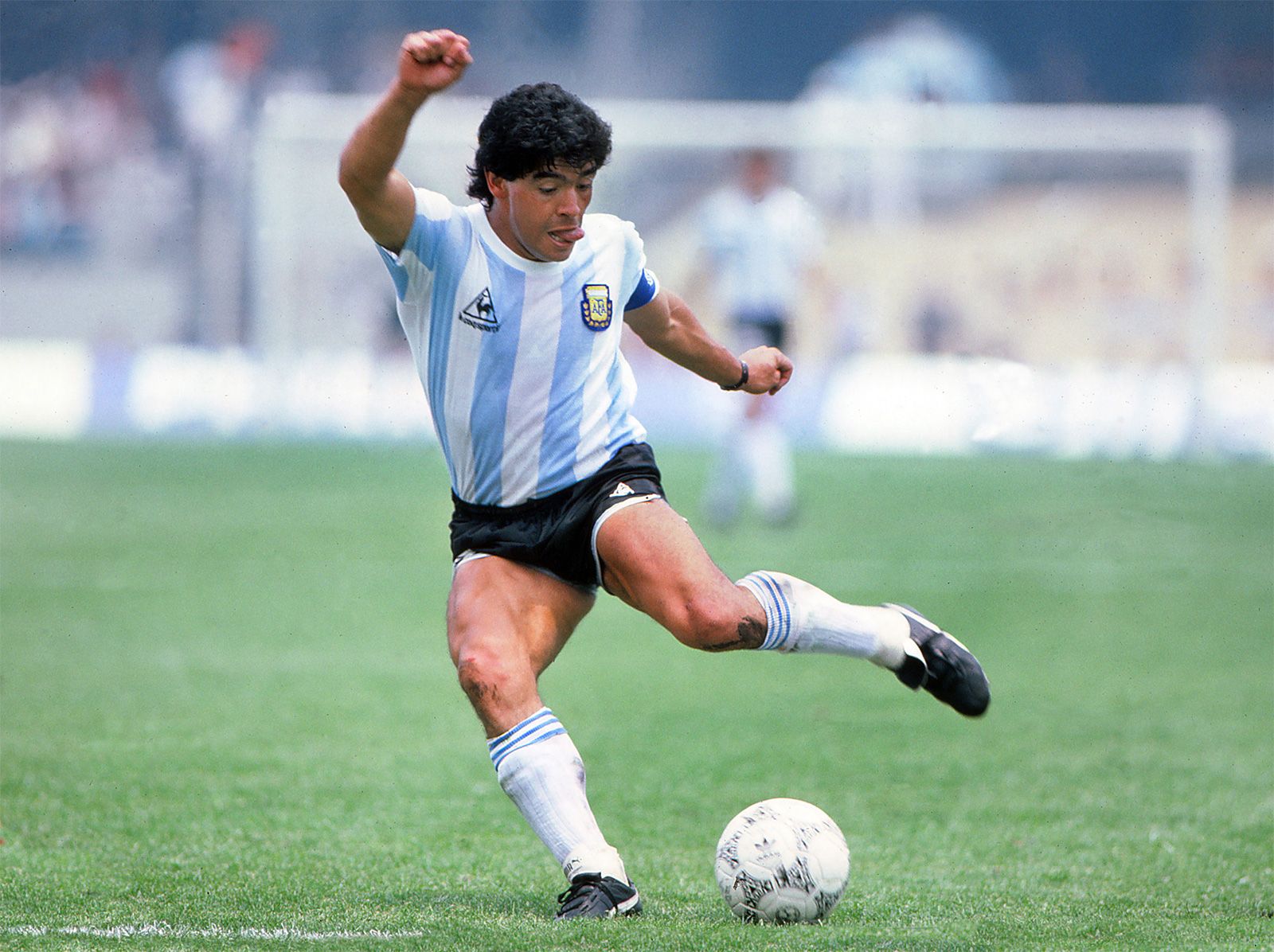
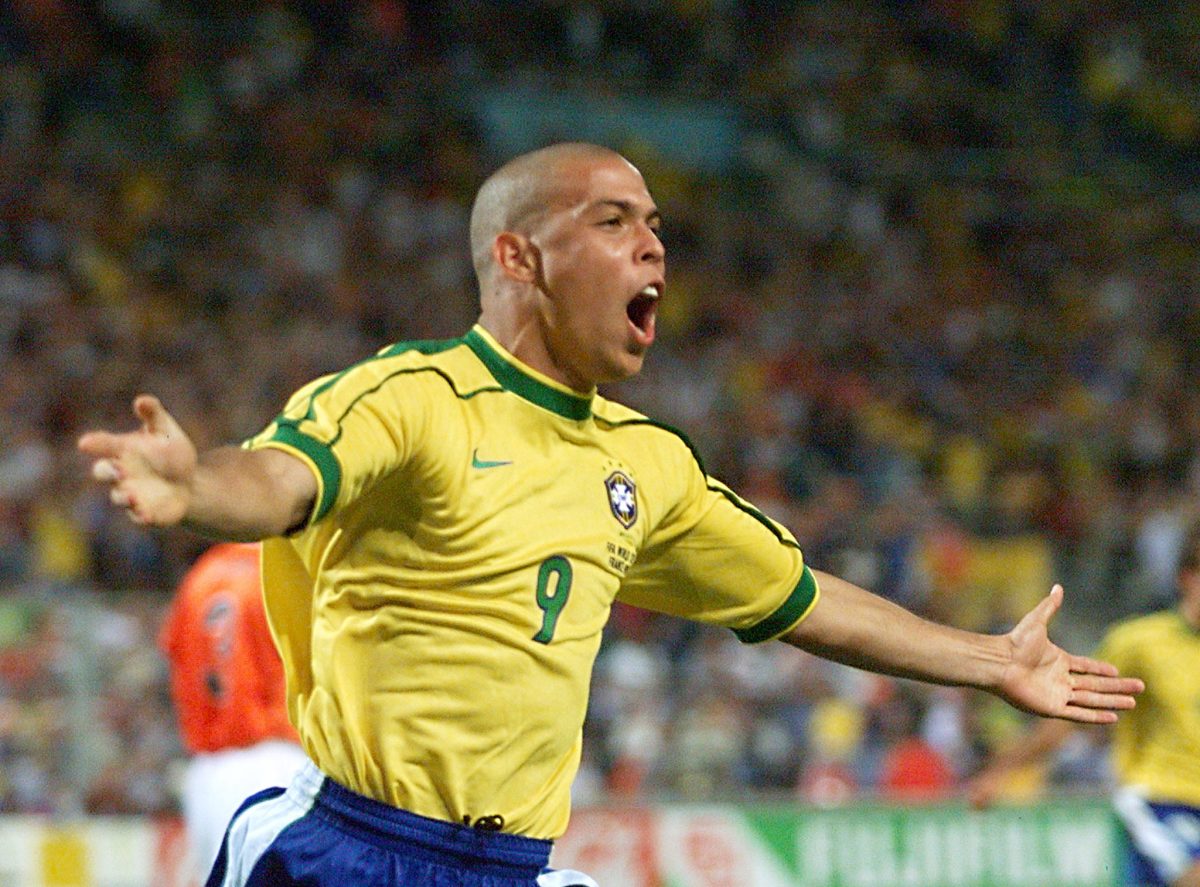
Alan Shearer vs Alfredo Di Stéfano: Stats Compared
Striker, England (born 1970, retired 2006) · Forward, Argentina (born 1926, retired 1966)
Set Alan Shearer alongside Alfredo Di Stéfano and the numbers start an argument of their own. Reputations harden into legacies, and few careers cast longer shadows than these two. Career output puts Alan Shearer at 409 goals in 733 games, with Alfredo Di Stéfano at 511 in 698. Assists were never formally recorded across most of their eras, so the playmaking dimension has to be judged on reputation and highlights rather than hard totals. Alan Shearer departs the game with 9 major pieces of silverware, including 1× Premier League (1995); Alfredo Di Stéfano with 15, including 5× European Cup (1956, 1957, 1958, 1959, 1960). History will file Alan Shearer under clinical greatness and Alfredo Di Stéfano under predatory greatness — different shelves, same temple. Their routes to the top were distinct: Alan Shearer built his reputation across Southampton, Blackburn Rovers, Newcastle United, peaking around 1995, while Alfredo Di Stéfano reached his defining level around 1958 after spells with River Plate, Millonarios, Real Madrid, Espanyol. Greatness, in cases like this, is rarely a zero-sum affair.
174 words · comparison angle: legacy
Player profiles
Alan Shearer (born 13 August 1970) is an English football pundit and former professional player who played as a striker. Widely regarded as one of the greatest strikers of all time and one of the greatest players in Premier League history, he is the league's record goalscorer with 260 goals. He was named Football Writers' Association Player of the Year in 1994 and won the PFA Player of the Year award in 1995.
“A record-breaking number nine who combined brutal finishing with clever hold-up play.”
Real Madrid legend and key figure of their five-consecutive European Cups; defined the modern total footballer role.
“An omnipresent forward who dropped deep to construct attacks before arriving in the box to finish them.”
Head-to-head stats
Career goals by season
Representative career seasons — goals per season for each player across their documented clubs.
Attribute radar
Attribute ratings are peak-era, 0–100. Different positions naturally skew the profile.
Attribute comparison
Trophy breakdown
- 1× Premier League (1995)
- 5× European Cup (1956, 1957, 1958, 1959, 1960)
- 1× Intercontinental Cup (1960)
- 8× La Liga
- 1× Copa América (1947)
Trophy distribution
Career milestones
- 1987 Established himself at Southampton
- 1991 Reached his defining peak
- 1995 Delivered a landmark season
- 2006 Retired from professional football
- 1945 River Plate debut
- 1947 Copa América winner with Argentina
- 1949 Moved to Millonarios in Colombia
- 1953 Signed for Real Madrid after a contested transfer
- 1956 First of five consecutive European Cups
- 1959 Won the first Ballon d'Or (Super Ballon d'Or) honoured later
- 1964 Left Real Madrid for Espanyol
The verdict
Reasonable people will disagree, but Alfredo Di Stéfano wins out by a decisive margin on the weight of a sharper goalscoring record.
Alfredo Di Stéfano edges it (a decisive margin)