Dino Zoff vs Alfredo Di Stéfano: Stats Compared
Goalkeeper, Italy (born 1942, retired 1983) · Forward, Argentina (born 1926, retired 1966)
Comparing Dino Zoff with Alfredo Di Stéfano means weighing two very different kinds of greatness. Both built reputations on finding the back of the net, but they did it in markedly different ways. Across his senior career Dino Zoff notched 0 goals in 734 appearances (0.00 per game), while Alfredo Di Stéfano recorded 511 in 698 (0.73 per game). Reliable assist tallies simply do not exist for large stretches of their careers, leaving creativity to the eye rather than the spreadsheet. The honours ledger favours Dino Zoff with 9 major trophies (1× FIFA World Cup (1982)) against Alfredo Di Stéfano's 15 (5× European Cup (1956, 1957, 1958, 1959, 1960)). Where Dino Zoff was a reflex-sharp presence in the box, Alfredo Di Stéfano offered a predatory approach to goalscoring. Context beyond the headline totals is important: Dino Zoff's landmark level arrived around 1982 with a career spanning Udinese, Mantova, Napoli, Juventus; Alfredo Di Stéfano's came around 1958 across River Plate, Millonarios, Real Madrid, Espanyol. Each, in his own way, set a standard the other is measured against.
176 words · comparison angle: goalscoring
Player profiles
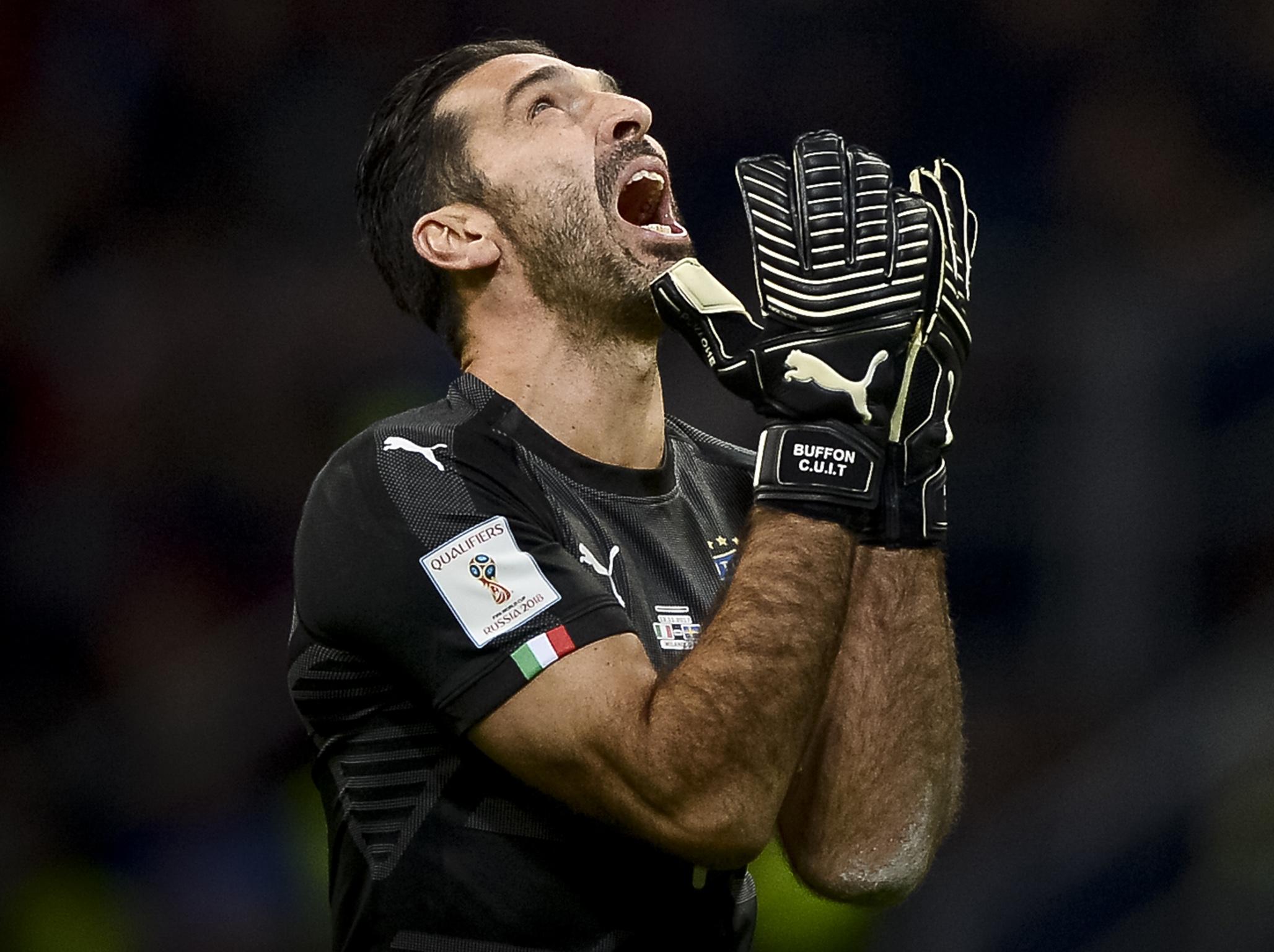
Dino Zoff is an Italian former professional footballer who played as a goalkeeper. Regarded as one of the greatest goalkeepers of all time, he is the oldest ever winner of the World Cup, which he lifted as captain of the Italy national team in the 1982 tournament, at the age of 40 years, 4 months and 13 days. He also won the award for best goalkeeper of the tournament and was elected to the team of the tournament for his performances, keeping two clean-sheets, an honour he also received after winning the 1968 European Championship on home soil.
“A master of positioning and composure whose longevity made him an Italian institution.”
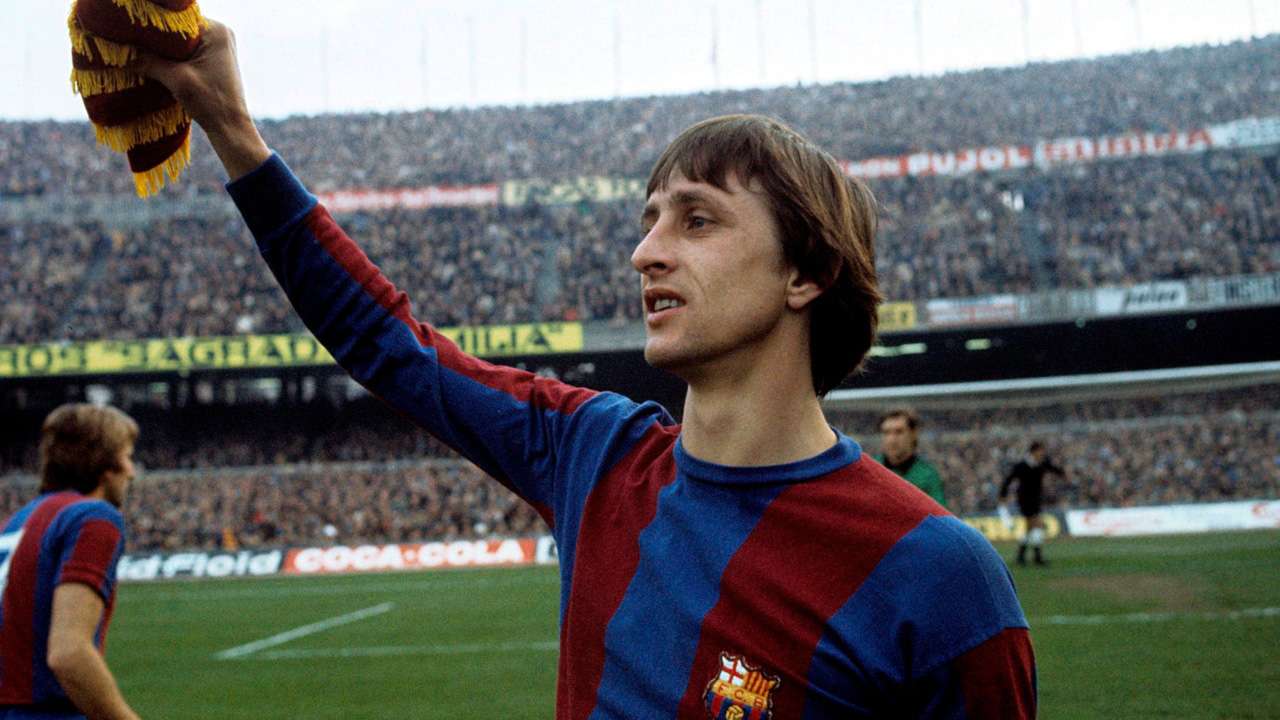
Real Madrid legend and key figure of their five-consecutive European Cups; defined the modern total footballer role.
“An omnipresent forward who dropped deep to construct attacks before arriving in the box to finish them.”
Head-to-head stats
Career goals by season
Representative career seasons — goals per season for each player across their documented clubs.
Attribute radar
Attribute ratings are peak-era, 0–100. Different positions naturally skew the profile.
Attribute comparison
Trophy breakdown
- 1× FIFA World Cup (1982)
- 5× European Cup (1956, 1957, 1958, 1959, 1960)
- 1× Intercontinental Cup (1960)
- 8× La Liga
- 1× Copa América (1947)
Trophy distribution
Career milestones
- 1974 Established himself at Udinese
- 1978 Reached his defining peak
- 1982 Delivered a landmark season
- 1983 Retired from professional football
- 1945 River Plate debut
- 1947 Copa América winner with Argentina
- 1949 Moved to Millonarios in Colombia
- 1953 Signed for Real Madrid after a contested transfer
- 1956 First of five consecutive European Cups
- 1959 Won the first Ballon d'Or (Super Ballon d'Or) honoured later
- 1964 Left Real Madrid for Espanyol
The verdict
Reasonable people will disagree, but Alfredo Di Stéfano wins out by a decisive margin on the weight of a sharper goalscoring record.
Alfredo Di Stéfano edges it (a decisive margin)