Luka Modrić vs Daniel Passarella: Stats Compared
Attacking Midfielder, Croatia (born 1985, retired 2024) · Centre-Back, Argentina (born 1953, retired 1989)
Ask any fan to rank Luka Modrić above or below Daniel Passarella and you will get a passionate answer. Comparing across positions is never straightforward, and these two asked different questions of opponents. Across his senior career Luka Modrić notched 90 goals in 900 appearances (0.10 per game), while Daniel Passarella recorded 175 in 600 (0.29 per game). Assists were not reliably tracked for much of their careers, which makes the playmaking comparison an imperfect one; where records exist, Luka Modrić is credited with 150 and Daniel Passarella with 0. The honours ledger favours Luka Modrić with 9 major trophies (6× UEFA Champions League (2014, 2016, 2017, 2018, 2022, 2024)) against Daniel Passarella's 6 (1× FIFA World Cup (1978)). The attacking midfielder duties of Luka Modrić leaned silky; the centre-back responsibilities of Daniel Passarella leaned commanding. Their routes to the top were distinct: Luka Modrić built his reputation across Dinamo Zagreb, Tottenham Hotspur, Real Madrid, peaking around 2018, while Daniel Passarella reached his defining level around 1978 after spells with River Plate, Fiorentina, Inter Milan, River Plate. Each, in his own way, set a standard the other is measured against.
190 words · comparison angle: role
Player profiles
The 2018 Ballon d'Or winner who ended a decade of Messi-Ronaldo dominance, Modrić was the metronomic heartbeat of Real Madrid's record-extending Champions League dynasty and led Croatia to the World Cup final.
“A supremely elegant, tireless playmaker whose close control and range of passing let him control games from deep or advanced positions alike.”
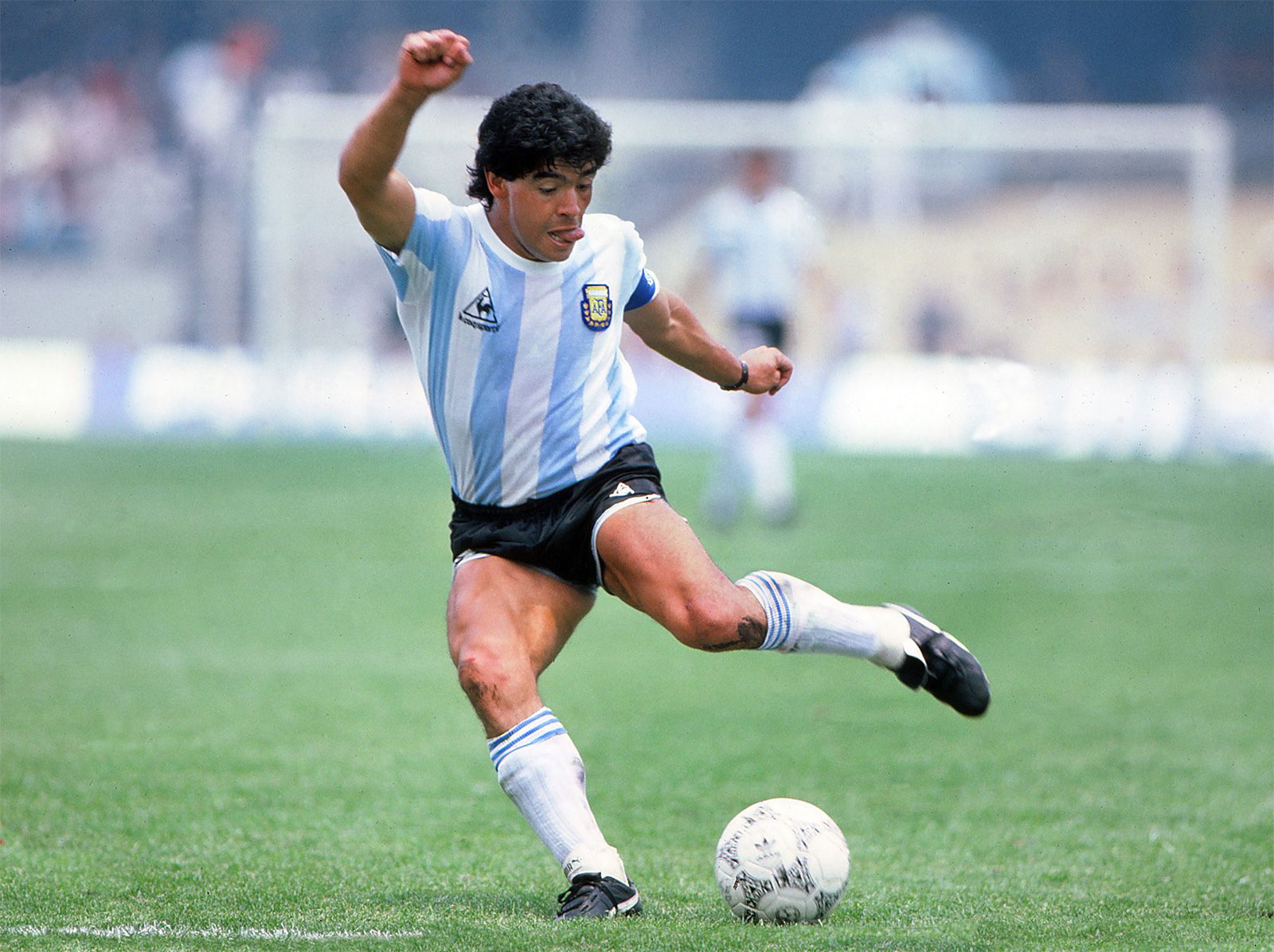
Argentina's World Cup-winning captain in 1978, Passarella was a rare goal-scoring sweeper renowned for thunderous free-kicks and fierce leadership.
“An aggressive, commanding sweeper who attacked set pieces and struck the ball with unusual power for a defender.”
Head-to-head stats
Career goals by season
Representative career seasons — goals per season for each player across their documented clubs.
Attribute radar
Attribute ratings are peak-era, 0–100. Different positions naturally skew the profile.
Attribute comparison
Trophy breakdown
- 6× UEFA Champions League (2014, 2016, 2017, 2018, 2022, 2024)
- 3× La Liga (2017, 2020, 2022)
- 1× FIFA World Cup (1978)
- 5× Argentine Primera División (1975, 1977, 1979, 1980, 1981)
Trophy distribution
Career milestones
- 2003 Professional debut for Dinamo Zagreb
- 2014 Won UEFA Champions League with Real Madrid
- 2017 Won La Liga with Real Madrid
- 2018 Reached the peak of his powers at Real Madrid
- 2024 Retired after a final spell at Real Madrid
- Finished his career with 90 goals in 900 appearances and 9 major honours. Finished his career with 90 goals in 900 appearances and 9 major honours.
- 1974 Professional debut for River Plate
- 1978 Won FIFA World Cup with River Plate
- 1975 Won Argentine Primera División with River Plate
- 1978 Reached the peak of his powers at River Plate
- 1989 Retired after a final spell at River Plate
- Finished his career with 175 goals in 600 appearances and 6 major honours. Finished his career with 175 goals in 600 appearances and 6 major honours.
The verdict
Weighing production against honours, Luka Modrić takes the verdict — a decisive margin, driven by a weightier trophy cabinet.
Luka Modrić edges it (a decisive margin)