Pelé vs Luka Modrić: Stats Compared
Forward, Brazil (born 1940, retired 1977) · Attacking Midfielder, Croatia (born 1985, retired 2024)
There is something timeless about weighing Pelé against Luka Modrić. Different decades shaped different demands, and both adapted to theirs brilliantly. By the end Pelé had 757 goals from 812 caps and club outings; Luka Modrić had 90 from 900. Modern assist data only covers part of their careers, so creativity is hard to compare cleanly — Pelé is listed at 0 and Luka Modrić at 150 where figures survive. In major honours Pelé collected 14 — headlined by 3× FIFA World Cup (1958, 1962, 1970) — whereas Luka Modrić amassed 9, led by 6× UEFA Champions League (2014, 2016, 2017, 2018, 2022, 2024). Pelé belonged to the 1970s, dominating with a clinical quality; Luka Modrić rose in the contemporary game with a silky edge. Their routes to the top were distinct: Pelé built his reputation across Santos, New York Cosmos, peaking around 1970, while Luka Modrić reached his defining level around 2018 after spells with Dinamo Zagreb, Tottenham Hotspur, Real Madrid. Few pairings invite such entrenched disagreement, and fewer still deserve it this much.
175 words · comparison angle: era
Player profiles
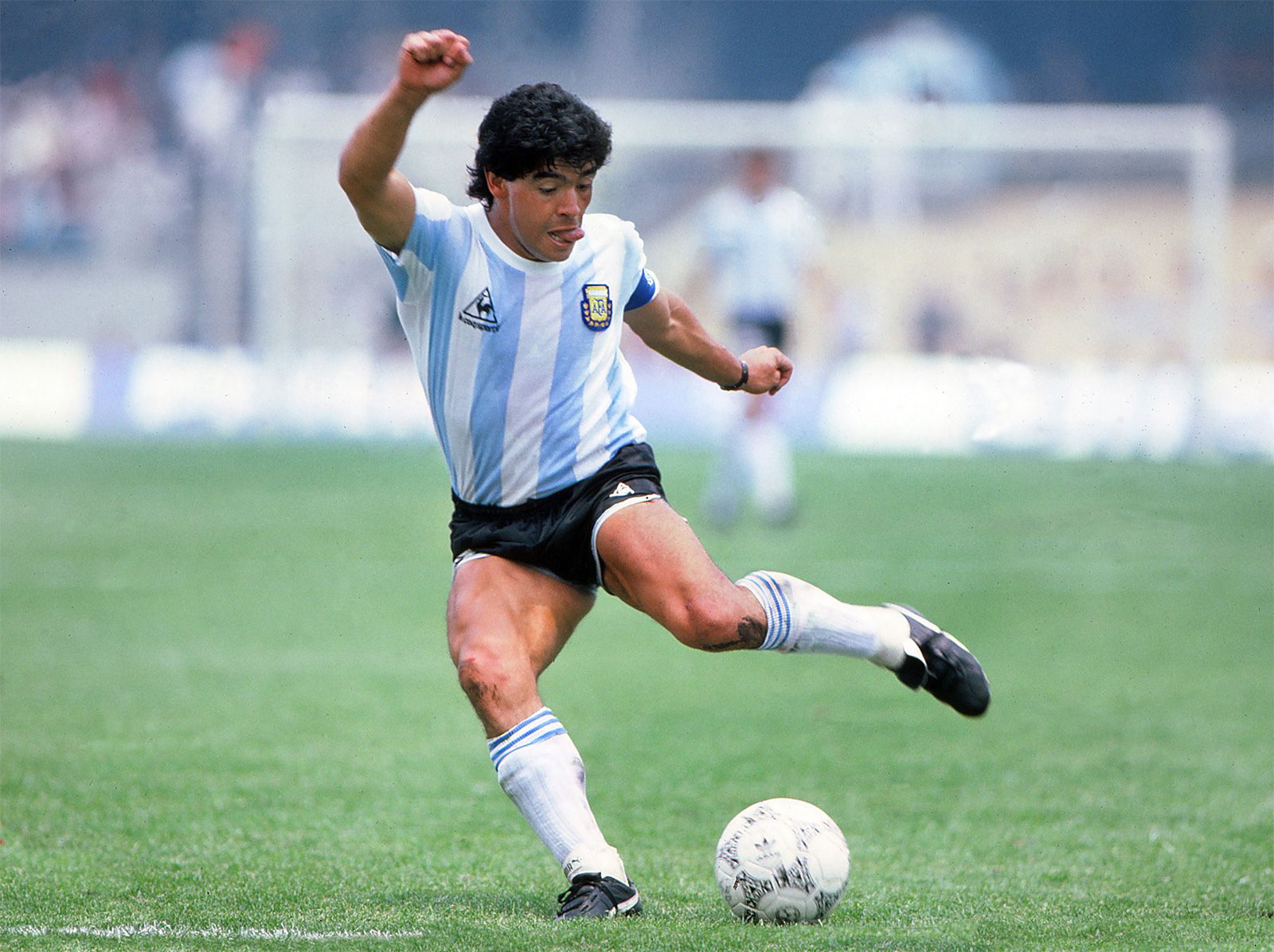
Widely regarded as the greatest footballer of all time, Pelé is the only player to win three FIFA World Cups. FIFA recognises 757 official senior career goals (1,281 including friendlies).
“A two-footed, athletic forward who combined explosive pace, aerial ability and extraordinary vision.”
The 2018 Ballon d'Or winner who ended a decade of Messi-Ronaldo dominance, Modrić was the metronomic heartbeat of Real Madrid's record-extending Champions League dynasty and led Croatia to the World Cup final.
“A supremely elegant, tireless playmaker whose close control and range of passing let him control games from deep or advanced positions alike.”
Head-to-head stats
Career goals by season
Representative career seasons — goals per season for each player across their documented clubs.
Attribute radar
Attribute ratings are peak-era, 0–100. Different positions naturally skew the profile.
Attribute comparison
Trophy breakdown
- 3× FIFA World Cup (1958, 1962, 1970)
- 2× Copa Libertadores (1962, 1963)
- 2× Intercontinental Cup (1962, 1963)
- 6× Campeonato Brasileiro Série A
- 1× NASL Soccer Bowl (1977)
- 6× UEFA Champions League (2014, 2016, 2017, 2018, 2022, 2024)
- 3× La Liga (2017, 2020, 2022)
Trophy distribution
Career milestones
- 1956 Professional debut for Santos aged 15
- 1958 Became youngest World Cup goalscorer at 17
- 1959 Top scorer in the Campeonato Brasileiro
- 1962 Won second World Cup despite injury in the final
- 1969 Scored his 1,000th career goal
- 1975 Came out of semi-retirement to join New York Cosmos
- 1977 Honoured at Pelé Day halftime show at Giants Stadium
- 2003 Professional debut for Dinamo Zagreb
- 2014 Won UEFA Champions League with Real Madrid
- 2017 Won La Liga with Real Madrid
- 2018 Reached the peak of his powers at Real Madrid
- 2024 Retired after a final spell at Real Madrid
- Finished his career with 90 goals in 900 appearances and 9 major honours. Finished his career with 90 goals in 900 appearances and 9 major honours.
The verdict
On balance Pelé edges the comparison. The margin is a decisive margin, decided mostly by a sharper goalscoring record.
Pelé edges it (a decisive margin)