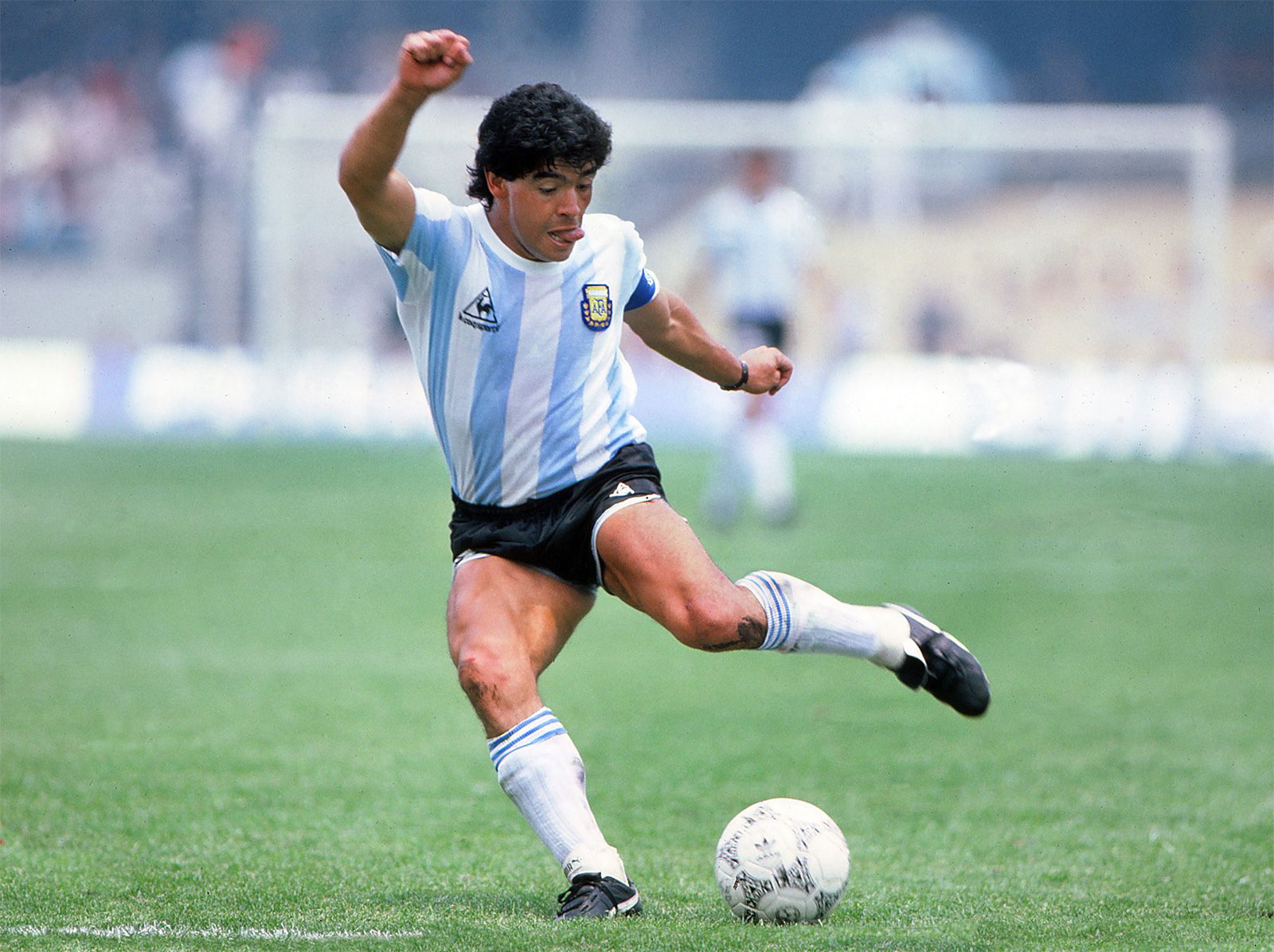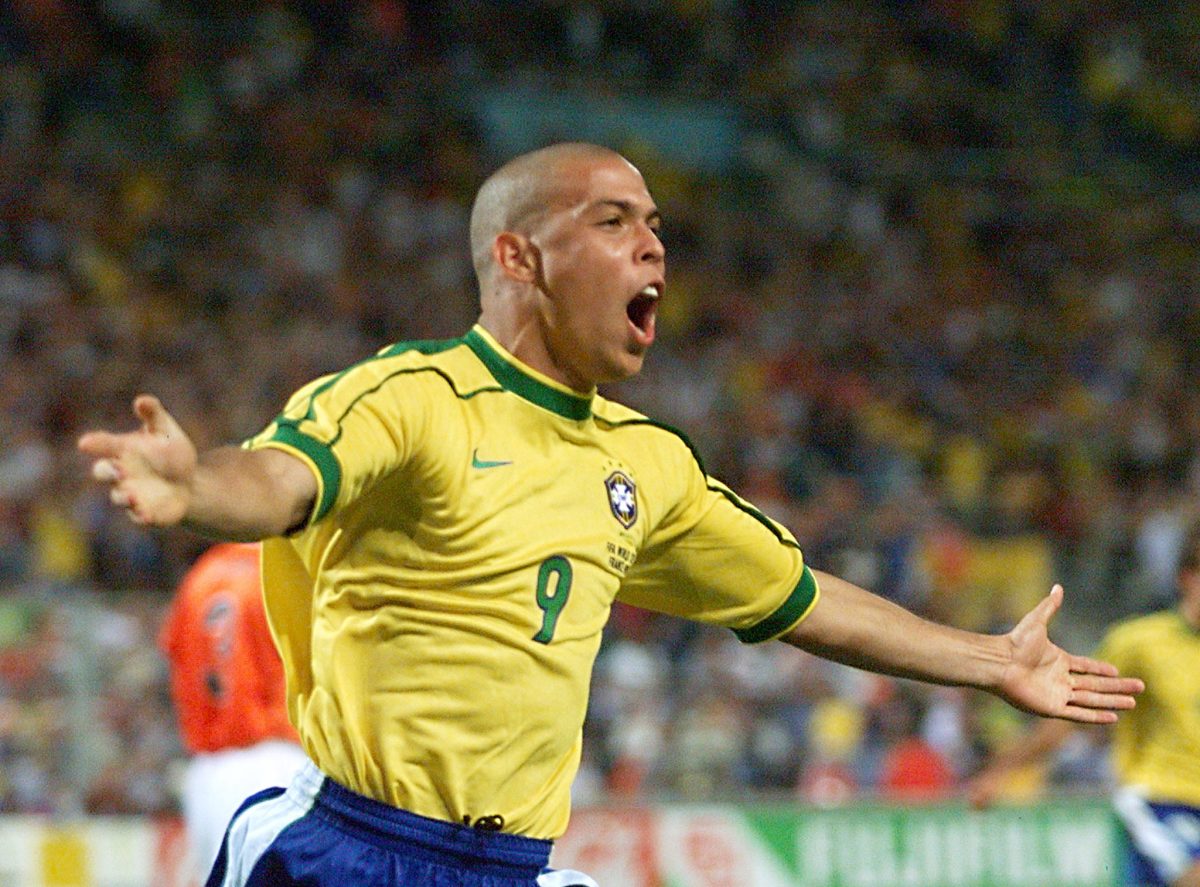

Pelé vs David Villa: Stats Compared
Forward, Brazil (born 1940, retired 1977) · Striker, Spain (born 1981, retired 2020)
Line up Pelé next to David Villa and the contrasts come quickly. Silverware is the currency of legacy, and both players filled cabinets that few can rival. Pelé finishes with 757 career goals from 812 games — a 0.93 strike rate — against David Villa's 376 from 752 at 0.50 per match. Assists were never formally recorded across most of their eras, so the playmaking dimension has to be judged on reputation and highlights rather than hard totals. Trophy counts give Pelé 14 and David Villa 9, with 3× FIFA World Cup (1958, 1962, 1970) and 1× FIFA World Cup (2010) the standout honours respectively. Pelé built his medal haul through years of explosive consistency, while David Villa won his with flair-driven bursts of brilliance. Their routes to the top were distinct: Pelé built his reputation across Santos, New York Cosmos, peaking around 1970, while David Villa reached his defining level around 2010 after spells with Sporting Gijón, Valencia, Barcelona, Atlético Madrid. The honest conclusion is that comparison enriches appreciation rather than crowns a single winner.
176 words · comparison angle: trophies
Player profiles
Widely regarded as the greatest footballer of all time, Pelé is the only player to win three FIFA World Cups. FIFA recognises 757 official senior career goals (1,281 including friendlies).
“A two-footed, athletic forward who combined explosive pace, aerial ability and extraordinary vision.”
David Villa Sánchez is a Spanish former professional footballer who played as a striker. Regarded as one of the best strikers of his generation, Villa is the all-time top goalscorer of the Spain national team. He is currently the vice-president of Spanish Tercera Federación club CF Benidorm and a member of the Board of Directors of La Liga club Atlético Madrid.
“A two-footed finisher who attacked channels intelligently and struck cleanly from distance.”
Head-to-head stats
Career goals by season
Representative career seasons — goals per season for each player across their documented clubs.
Attribute radar
Attribute ratings are peak-era, 0–100. Different positions naturally skew the profile.
Attribute comparison
Trophy breakdown
- 3× FIFA World Cup (1958, 1962, 1970)
- 2× Copa Libertadores (1962, 1963)
- 2× Intercontinental Cup (1962, 1963)
- 6× Campeonato Brasileiro Série A
- 1× NASL Soccer Bowl (1977)
- 1× FIFA World Cup (2010)
Trophy distribution
Career milestones
- 1956 Professional debut for Santos aged 15
- 1958 Became youngest World Cup goalscorer at 17
- 1959 Top scorer in the Campeonato Brasileiro
- 1962 Won second World Cup despite injury in the final
- 1969 Scored his 1,000th career goal
- 1975 Came out of semi-retirement to join New York Cosmos
- 1977 Honoured at Pelé Day halftime show at Giants Stadium
- 2002 Established himself at Sporting Gijón
- 2006 Reached his defining peak
- 2010 Delivered a landmark season
- 2020 Retired from professional football
The verdict
The numbers give Pelé the lead — a decisive margin, courtesy of a sharper goalscoring record.
Pelé edges it (a decisive margin)