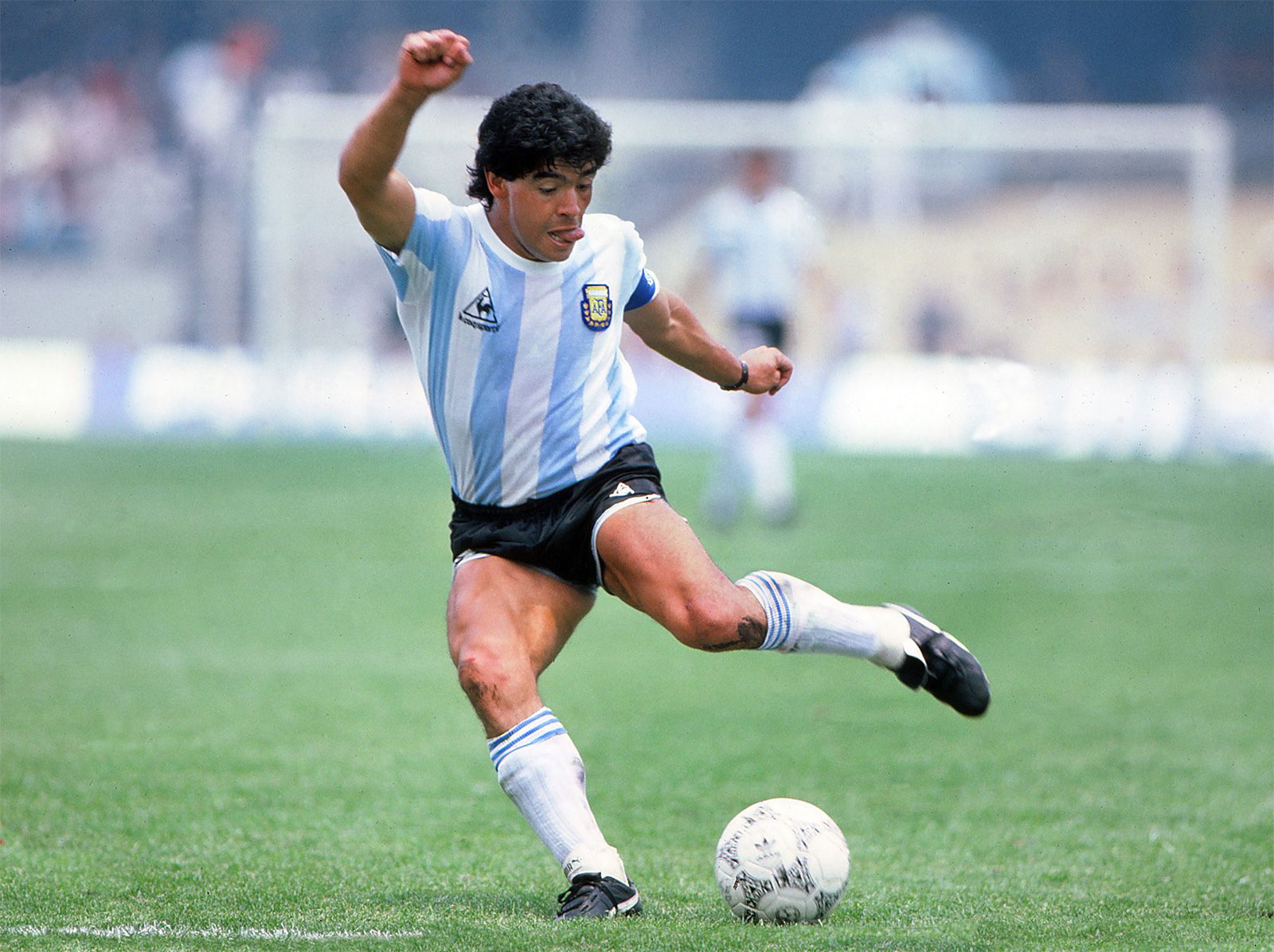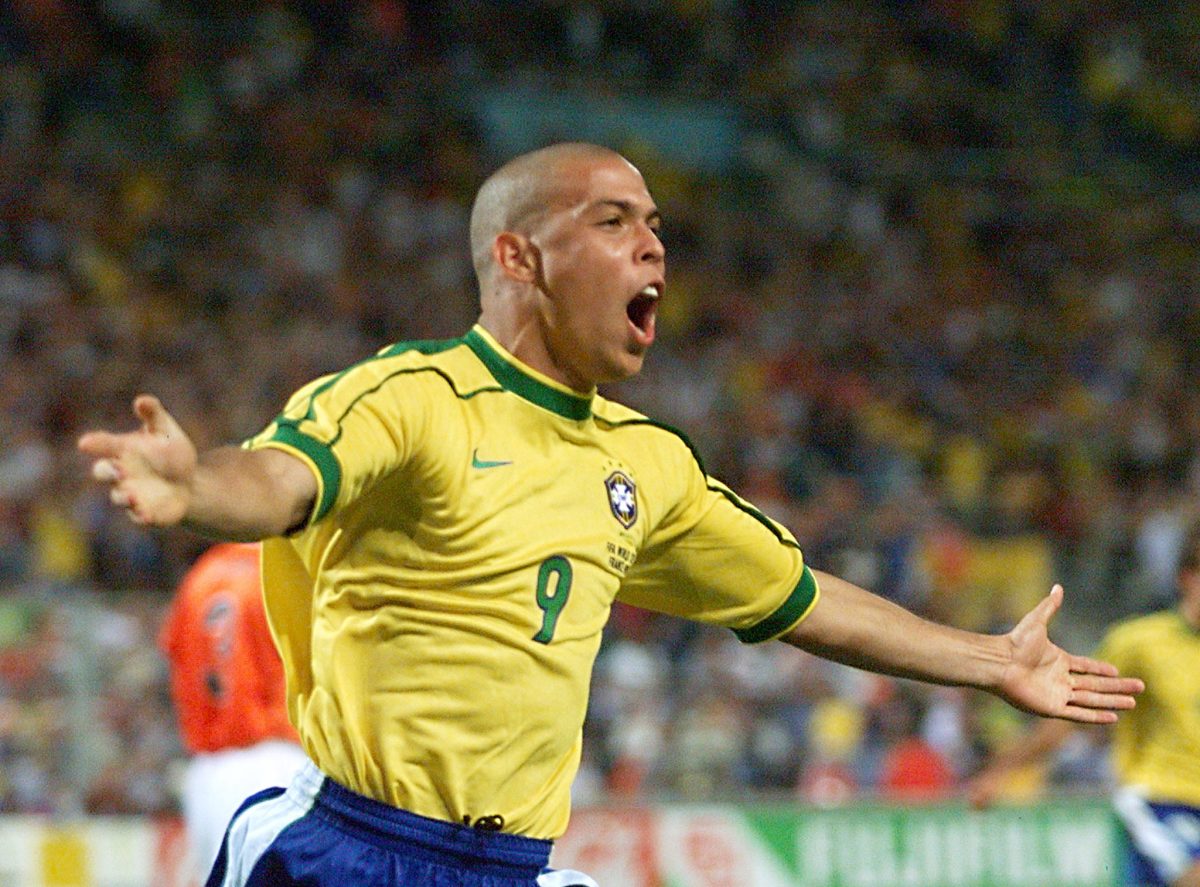
Pelé vs Kevin Keegan: Stats Compared
Forward, Brazil (born 1940, retired 1977) · Forward, England (born 1951, retired 1984)
Pelé against Kevin Keegan is the kind of comparison that fuels pub arguments for hours. Strip away the highlights and the medal count tells its own story for each man. Across his senior career Pelé notched 757 goals in 812 appearances (0.93 per game), while Kevin Keegan recorded 240 in 700 (0.34 per game). Reliable assist tallies simply do not exist for large stretches of their careers, leaving creativity to the eye rather than the spreadsheet. Pelé departs the game with 14 major pieces of silverware, including 3× FIFA World Cup (1958, 1962, 1970); Kevin Keegan with 6, including 1× European Cup (1977). One lifted trophies through explosive reliability, the other through mercurial moments that decided finals. The wider career context matters too: Pelé peaked around 1970 after representing Santos, New York Cosmos, while Kevin Keegan's defining level came around 1978 across Scunthorpe United, Liverpool, Hamburger SV, Southampton, Newcastle United. Whichever side you land on, both belong in any conversation about the finest of their generation.
166 words · comparison angle: trophies
Player profiles
Widely regarded as the greatest footballer of all time, Pelé is the only player to win three FIFA World Cups. FIFA recognises 757 official senior career goals (1,281 including friendlies).
“A two-footed, athletic forward who combined explosive pace, aerial ability and extraordinary vision.”
A two-time Ballon d'Or winner, Keegan was English football's first true superstar of the television era, winning the European Cup with Liverpool before dazzling in the Bundesliga.
“An energetic, tirelessly hard-running forward whose enthusiasm and clever movement made him far more effective than his modest frame suggested.”
Head-to-head stats
Career goals by season
Representative career seasons — goals per season for each player across their documented clubs.
Attribute radar
Attribute ratings are peak-era, 0–100. Different positions naturally skew the profile.
Attribute comparison
Trophy breakdown
- 3× FIFA World Cup (1958, 1962, 1970)
- 2× Copa Libertadores (1962, 1963)
- 2× Intercontinental Cup (1962, 1963)
- 6× Campeonato Brasileiro Série A
- 1× NASL Soccer Bowl (1977)
- 1× European Cup (1977)
- 3× English First Division (1973, 1976, 1977)
- 2× UEFA Cup (1973, 1976)
Trophy distribution
Career milestones
- 1956 Professional debut for Santos aged 15
- 1958 Became youngest World Cup goalscorer at 17
- 1959 Top scorer in the Campeonato Brasileiro
- 1962 Won second World Cup despite injury in the final
- 1969 Scored his 1,000th career goal
- 1975 Came out of semi-retirement to join New York Cosmos
- 1977 Honoured at Pelé Day halftime show at Giants Stadium
- 1968 Professional debut for Scunthorpe United
- 1977 Won European Cup with Liverpool
- 1973 Won UEFA Cup with Liverpool
- 1978 Reached the peak of his powers at Hamburger SV
- 1984 Retired after a final spell at Newcastle United
- Finished his career with 240 goals in 700 appearances and 6 major honours. Finished his career with 240 goals in 700 appearances and 6 major honours.
The verdict
Reasonable people will disagree, but Pelé wins out by a decisive margin on the weight of a sharper goalscoring record.
Pelé edges it (a decisive margin)