Pelé vs Karl-Heinz Rummenigge: Stats Compared
Forward, Brazil (born 1940, retired 1977) · Striker, Germany (born 1955, retired 1989)
Comparing Pelé with Karl-Heinz Rummenigge means weighing two very different kinds of greatness. They belonged to different eras, which makes any direct comparison a test of imagination as much as statistics. Career output puts Pelé at 757 goals in 812 games, with Karl-Heinz Rummenigge at 260 in 550. Because assists were not systematically tracked for much of their time, that side of the comparison rests on the footage that survives. Trophy counts give Pelé 14 and Karl-Heinz Rummenigge 5, with 3× FIFA World Cup (1958, 1962, 1970) and 2× Bundesliga (1980, 1981) the standout honours respectively. Pelé belonged to the 1970s, dominating with a flair-driven quality; Karl-Heinz Rummenigge rose in the 1980s with a flair-driven edge. Their routes to the top were distinct: Pelé built his reputation across Santos, New York Cosmos, peaking around 1970, while Karl-Heinz Rummenigge reached his defining level around 1980 after spells with Borussia Lippstadt, Bayern Munich, Inter Milan, Servette. Arguments will run and run, which is exactly why the matchup endures.
166 words · comparison angle: era
Player profiles
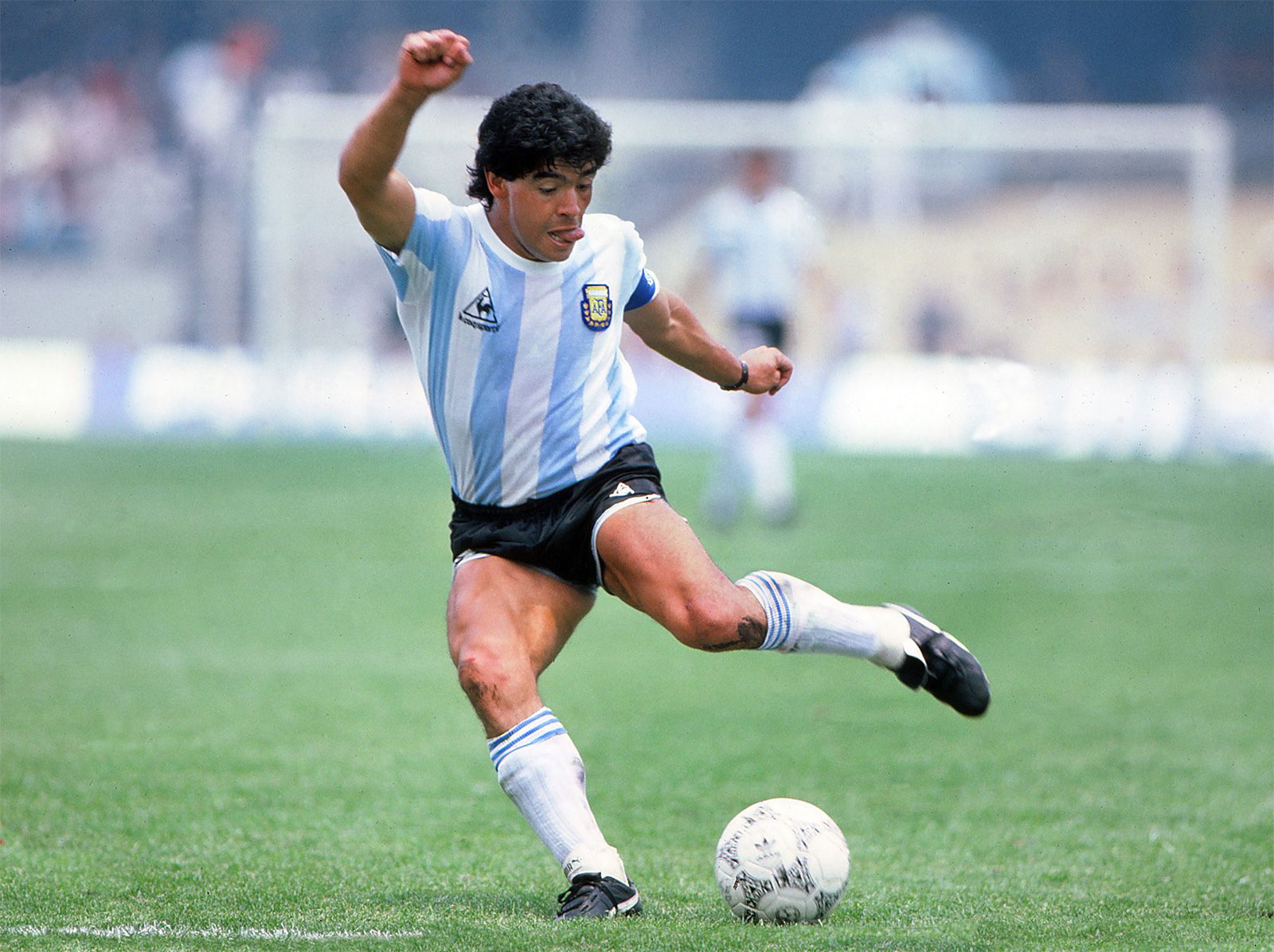
Widely regarded as the greatest footballer of all time, Pelé is the only player to win three FIFA World Cups. FIFA recognises 757 official senior career goals (1,281 including friendlies).
“A two-footed, athletic forward who combined explosive pace, aerial ability and extraordinary vision.”
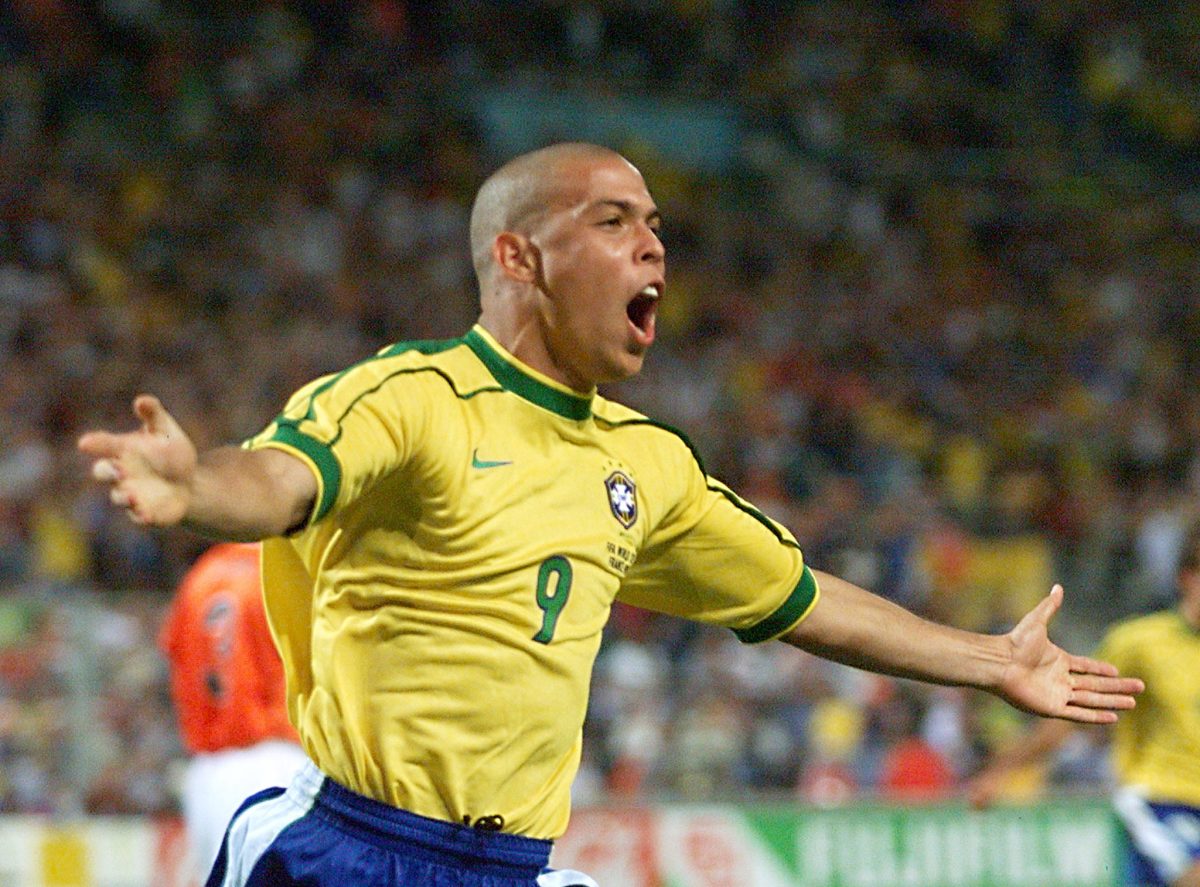
A two-time Ballon d'Or winner, Rummenigge was Bayern Munich's talismanic striker through their back-to-back European Cup triumphs of the mid-1970s.
“An explosively quick, clinical striker who combined blistering pace with an ice-cool finish in one-on-ones.”
Head-to-head stats
Career goals by season
Representative career seasons — goals per season for each player across their documented clubs.
Attribute radar
Attribute ratings are peak-era, 0–100. Different positions naturally skew the profile.
Attribute comparison
Trophy breakdown
- 3× FIFA World Cup (1958, 1962, 1970)
- 2× Copa Libertadores (1962, 1963)
- 2× Intercontinental Cup (1962, 1963)
- 6× Campeonato Brasileiro Série A
- 1× NASL Soccer Bowl (1977)
- 2× Bundesliga (1980, 1981)
- 2× European Cup (1975, 1976)
- 1× DFB-Pokal (1982)
Trophy distribution
Career milestones
- 1956 Professional debut for Santos aged 15
- 1958 Became youngest World Cup goalscorer at 17
- 1959 Top scorer in the Campeonato Brasileiro
- 1962 Won second World Cup despite injury in the final
- 1969 Scored his 1,000th career goal
- 1975 Came out of semi-retirement to join New York Cosmos
- 1977 Honoured at Pelé Day halftime show at Giants Stadium
- 1971 Professional debut for Borussia Lippstadt
- 1980 Won Bundesliga with Bayern Munich
- 1982 Won DFB-Pokal with Bayern Munich
- 1980 Reached the peak of his powers at Bayern Munich
- 1989 Retired after a final spell at Servette
- Finished his career with 260 goals in 550 appearances and 5 major honours. Finished his career with 260 goals in 550 appearances and 5 major honours.
The verdict
On balance Pelé edges the comparison. The margin is a decisive margin, decided mostly by a sharper goalscoring record.
Pelé edges it (a decisive margin)