Romário vs Toni Kroos: Stats Compared
Striker, Brazil (born 1966, retired 2009) · Central Midfielder, Germany (born 1990, retired 2024)
When Romário and Toni Kroos are mentioned in the same breath, opinions rarely stay quiet. It is in how they played, rather than what they won, that the comparison gets interesting. The raw numbers read 753 goals in 994 outings for Romário (0.76/game), versus 60 in 700 for Toni Kroos (0.09/game). Modern assist data only covers part of their careers, so creativity is hard to compare cleanly — Romário is listed at 0 and Toni Kroos at 150 where figures survive. Trophy counts give Romário 9 and Toni Kroos 12, with 1× FIFA World Cup (1994) and 1× FIFA World Cup (2014) the standout honours respectively. Romário played with a clinical that made him unmistakable; Toni Kroos brought a incisive that was equally his own. Their routes to the top were distinct: Romário built his reputation across PSV Eindhoven, Barcelona, Vasco da Gama, peaking around 1994, while Toni Kroos reached his defining level around 2018 after spells with Bayern Munich, Real Madrid. Picking between them says as much about the picker as the players.
174 words · comparison angle: style
Player profiles
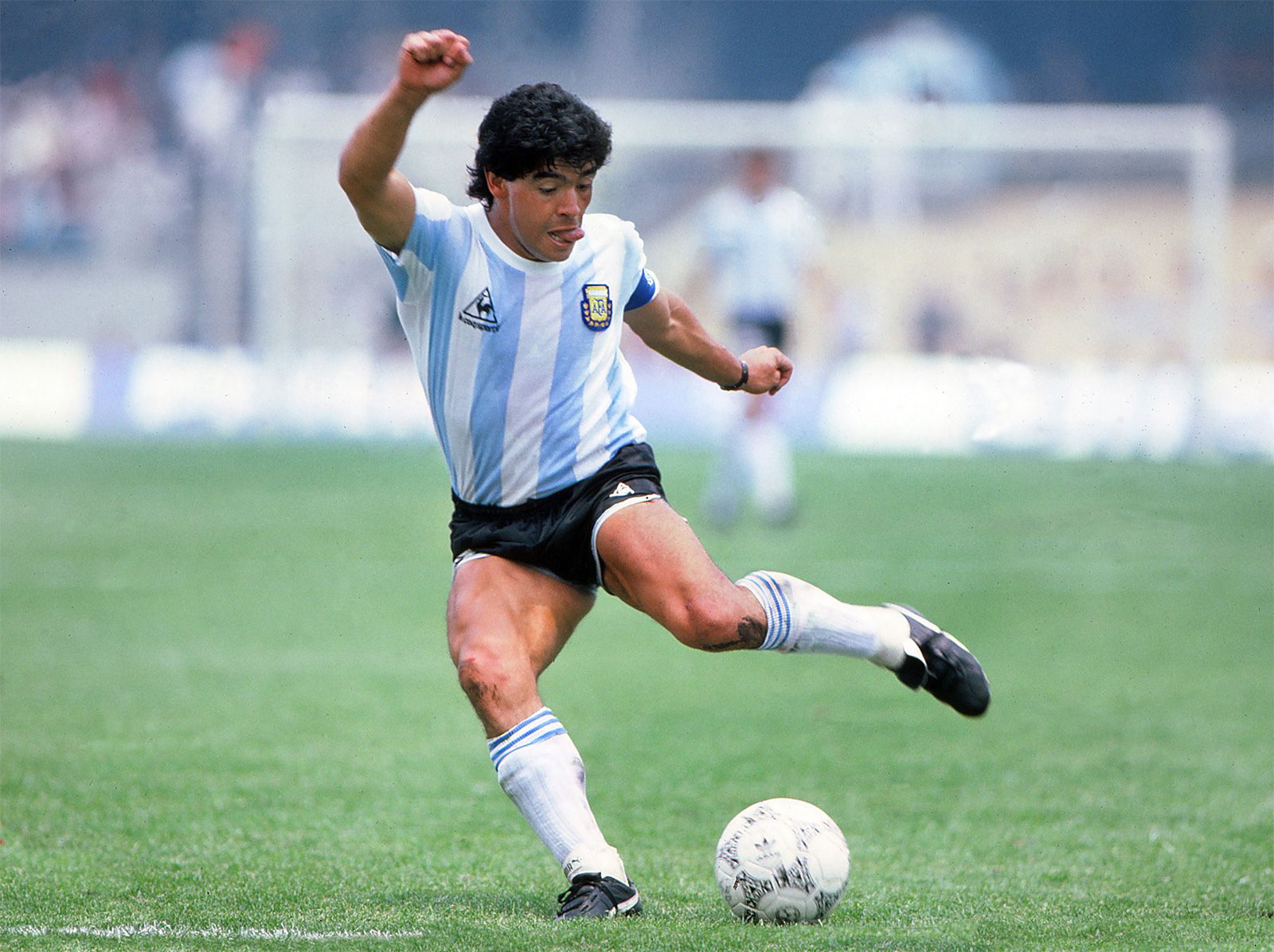
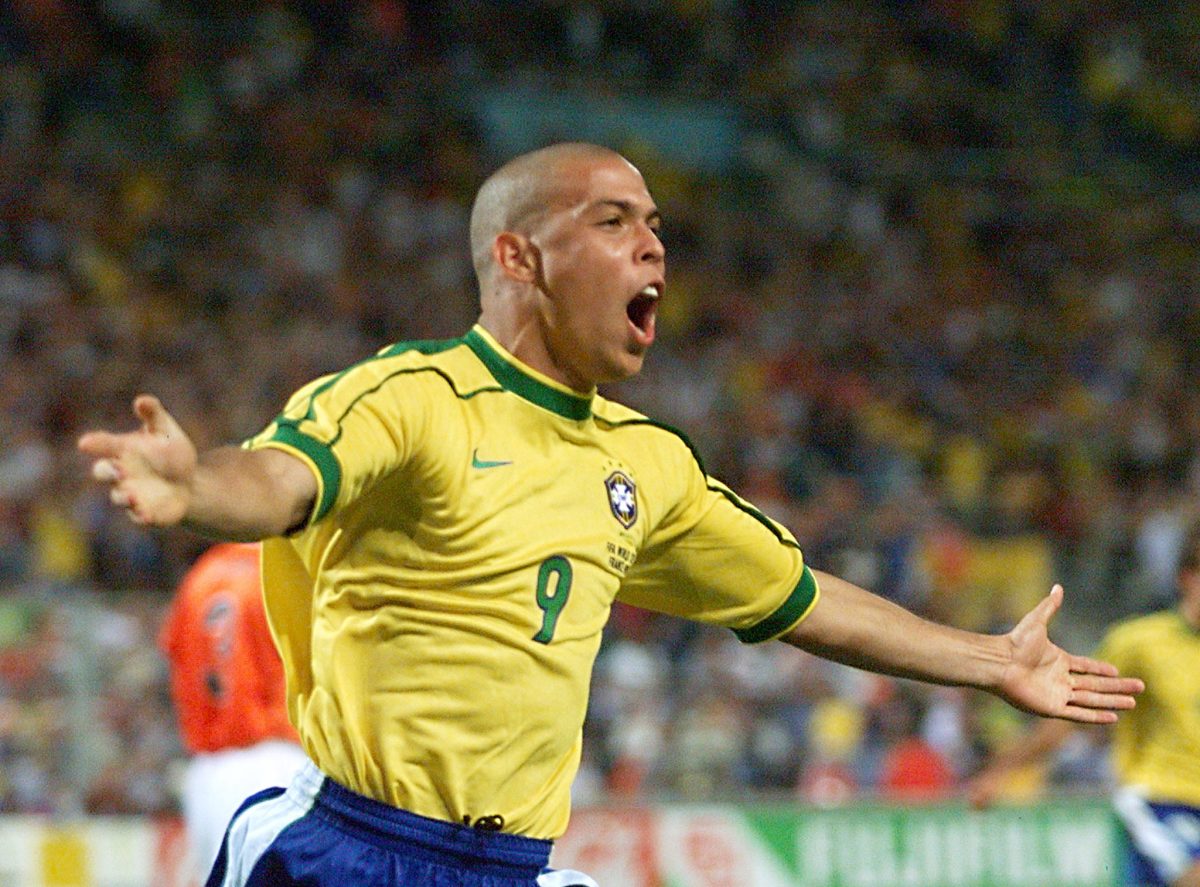
Romário de Souza Faria (born 29 January 1966), known simply as Romário, is a Brazilian politician and former professional footballer. A prolific striker renowned for clinical finishing, he is considered one of the greatest players of all time. He scored more than 700 goals for club and country and became one of only five players to score 100 goals for three different clubs.
“A compact poacher whose first touch and near-post movement were relentlessly efficient.”
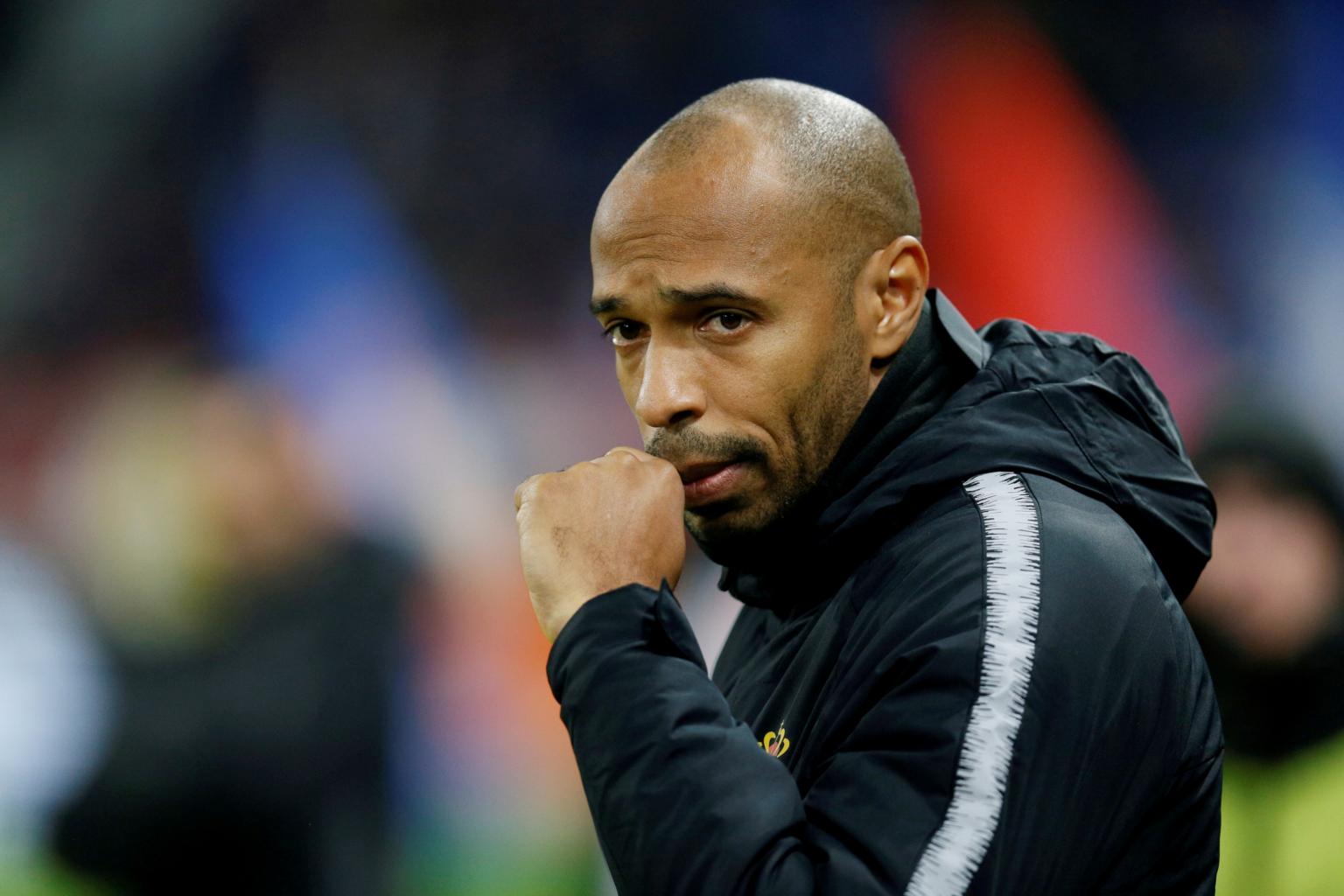
A metronomic, World Cup-winning German midfielder, Kroos completed more Champions League passes than almost anyone in history across a record six European Cup triumphs.
“An unhurried, exceptionally precise deep-lying playmaker whose passing range dictated the tempo of nearly every team he played for.”
Head-to-head stats
Career goals by season
Representative career seasons — goals per season for each player across their documented clubs.
Attribute radar
Attribute ratings are peak-era, 0–100. Different positions naturally skew the profile.
Attribute comparison
Trophy breakdown
- 1× FIFA World Cup (1994)
- 1× FIFA World Cup (2014)
- 6× UEFA Champions League (2014, 2016, 2017, 2018, 2022, 2024)
- 1× Bundesliga (2013)
- 4× La Liga (2017, 2020, 2022, 2024)
Trophy distribution
Career milestones
- 1986 Established himself at PSV Eindhoven
- 1990 Reached his defining peak
- 1994 Delivered a landmark season
- 2009 Retired from professional football
- 2007 Professional debut for Bayern Munich
- 2014 Won FIFA World Cup with Bayern Munich
- 2017 Won La Liga with Real Madrid
- 2018 Reached the peak of his powers at Real Madrid
- 2024 Retired after a final spell at Real Madrid
- Finished his career with 60 goals in 700 appearances and 12 major honours. Finished his career with 60 goals in 700 appearances and 12 major honours.
The verdict
Taking goals, assists, silverware and overall profile together, Romário takes it by a clear margin.
Romário edges it (a clear margin)