Romário vs Jay-Jay Okocha: Stats Compared
Striker, Brazil (born 1966, retired 2009) · Attacking Midfielder, Nigeria (born 1973, retired 2008)
Romário and Jay-Jay Okocha represent two answers to the same question: how do you define a great? Position shapes everything in football, and these two fulfilled very different briefs. The raw numbers read 753 goals in 994 outings for Romário (0.76/game), versus 90 in 500 for Jay-Jay Okocha (0.18/game). Modern assist data only covers part of their careers, so creativity is hard to compare cleanly — Romário is listed at 0 and Jay-Jay Okocha at 90 where figures survive. The honours ledger favours Romário with 9 major trophies (1× FIFA World Cup (1994)) against Jay-Jay Okocha's 3 (1× Olympic Gold Medal (1996)). As a striker Romário bent the role to a ruthless template; as a attacking midfielder, Jay-Jay Okocha redefined it with dictatorial authority. The wider career context matters too: Romário peaked around 1994 after representing PSV Eindhoven, Barcelona, Vasco da Gama, while Jay-Jay Okocha's defining level came around 1998 across Enugu Rangers, Eintracht Frankfurt, Fenerbahçe, Paris Saint-Germain, Bolton Wanderers, Qatar SC. Rank them how you like — both names are carved into the sport's permanent record.
177 words · comparison angle: role
Player profiles
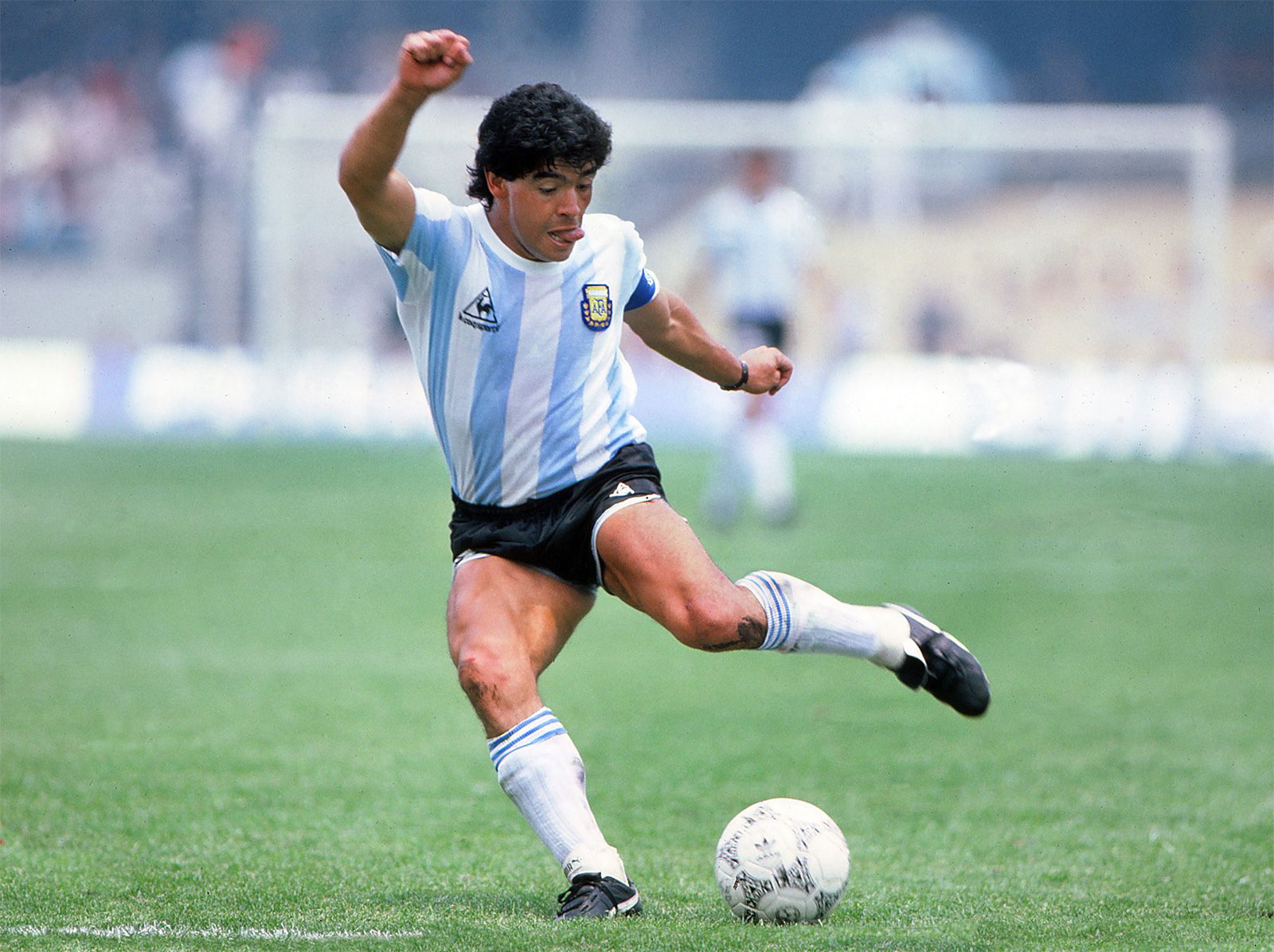
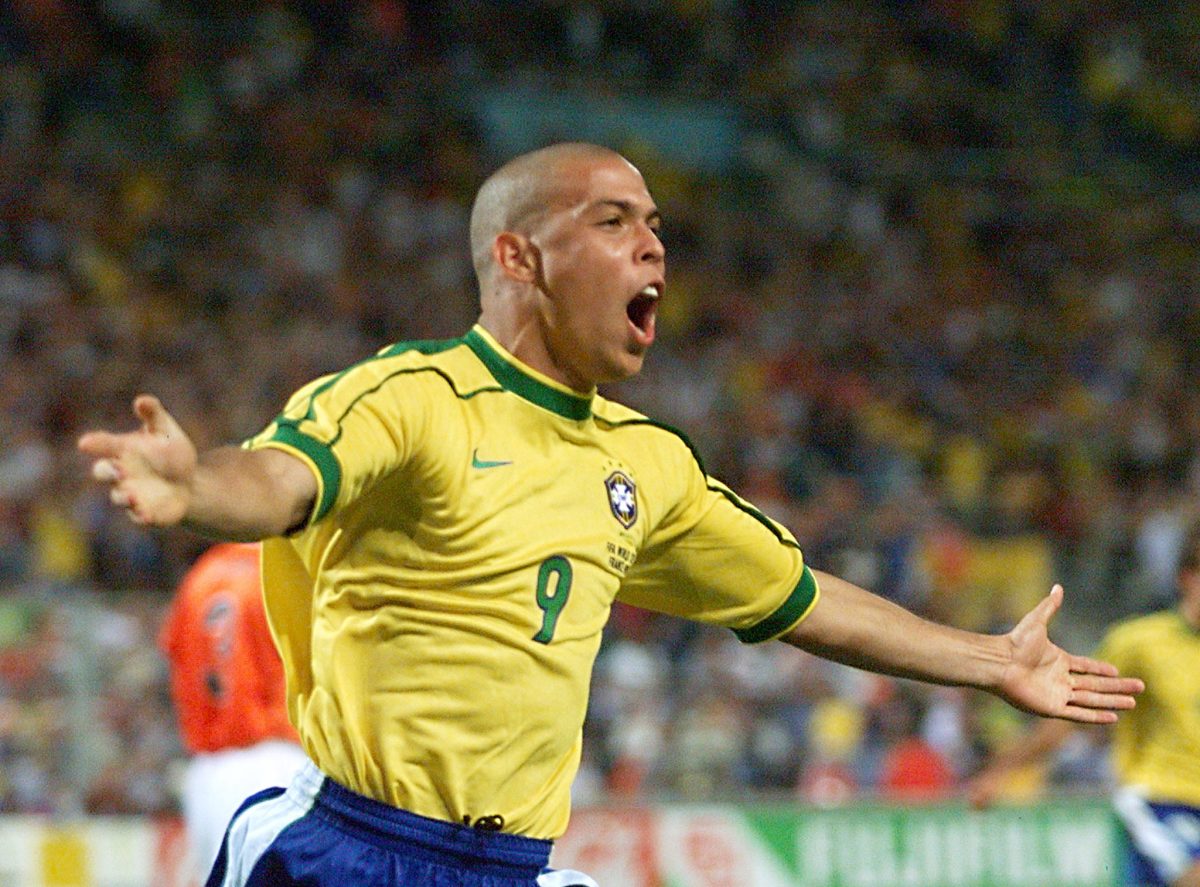
Romário de Souza Faria (born 29 January 1966), known simply as Romário, is a Brazilian politician and former professional footballer. A prolific striker renowned for clinical finishing, he is considered one of the greatest players of all time. He scored more than 700 goals for club and country and became one of only five players to score 100 goals for three different clubs.
“A compact poacher whose first touch and near-post movement were relentlessly efficient.”
'So good they named him twice', Okocha was a mesmeric Nigerian dribbler whose repertoire of step-overs and flicks made him one of the most entertaining players of his generation.
“A dazzling, unpredictable dribbler who used feints and close control to beat defenders in tight spaces.”
Head-to-head stats
Career goals by season
Representative career seasons — goals per season for each player across their documented clubs.
Attribute radar
Attribute ratings are peak-era, 0–100. Different positions naturally skew the profile.
Attribute comparison
Trophy breakdown
- 1× FIFA World Cup (1994)
- 1× Olympic Gold Medal (1996)
- 1× Coupe de France (1998)
- 1× Coupe de la Ligue (2000)
Trophy distribution
Career milestones
- 1986 Established himself at PSV Eindhoven
- 1990 Reached his defining peak
- 1994 Delivered a landmark season
- 2009 Retired from professional football
- 1990 Professional debut for Enugu Rangers
- 1996 Won Olympic Gold Medal with Eintracht Frankfurt
- 2000 Won Coupe de la Ligue with Paris Saint-Germain
- 1998 Reached the peak of his powers at Fenerbahçe
- 2008 Retired after a final spell at Qatar SC
- Finished his career with 90 goals in 500 appearances and 3 major honours. Finished his career with 90 goals in 500 appearances and 3 major honours.
The verdict
Weighing production against honours, Romário takes the verdict — a decisive margin, driven by a sharper goalscoring record.
Romário edges it (a decisive margin)